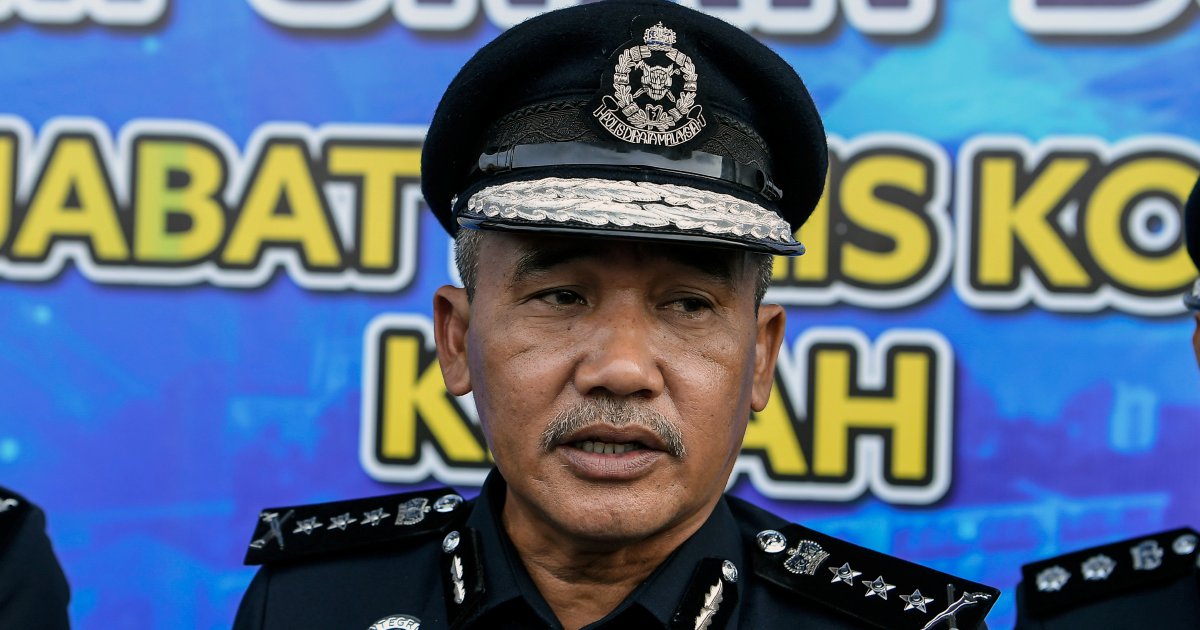
The Kedah police contingent has launched a substantial crackdown on internal discipline, opening 69 separate investigation files this year that implicate 90 uniformed personnel, support staff, and civilian employees across a spectrum of alleged wrongdoing. The cases span serious criminal conduct, abuse of authority, substance-related infractions, and religious law violations, signalling an intensified internal accountability push within the state force.
The breadth of allegations under investigation underscores mounting concerns about institutional conduct standards within Malaysian law enforcement. When individual cases are broken down, the ratio of investigations to personnel—69 probes involving 90 people—indicates that some officers face multiple separate charges or that investigations frequently overlap in their scope and nature. This clustering pattern often emerges when internal reviews uncover systemic issues within particular divisions or during transitions in leadership oversight.
Corruption allegations represent one of the most serious categories of misconduct being examined. Given Kedah's strategic location and commercial significance within the northern corridor, opportunities for graft exist across multiple operational domains, from licensing and permit enforcement to highway and port operations. The scale of corruption-related probes suggests that anti-graft mechanisms within the state force may be functioning more visibly, or alternatively, that problematic patterns have warranted executive intervention.
Drug-related offences among uniformed personnel have become a persistent governance challenge across Malaysian police forces. When officers themselves become implicated in substance offences—whether through use, trafficking, or facilitating illicit networks—it fundamentally undermines public confidence in enforcement operations and compromises investigations involving narcotics. The inclusion of drug allegations within Kedah's disciplinary docket reflects a problem that extends well beyond this single state contingent.
Traffic violations, while seemingly routine administrative matters, frequently mask deeper integrity questions. Misconduct in this arena typically involves abuse of enforcement discretion, such as extorting motorists or issuing citations based on corruption rather than genuine violations. When traffic personnel feature prominently in disciplinary cases, it often indicates that audit mechanisms have detected systemic revenue manipulation or protection rackets targeting the driving public.
Syariah-related offences represent a distinctive dimension of these investigations, reflecting Malaysia's dual legal framework and the particular obligations placed on Muslim officers to uphold religious standards. Violations in this category range from personal conduct matters—such as gambling, illicit relationships, or alcohol consumption—to professional failures in enforcing Islamic law. The presence of Syariah allegations signals that administrative oversight mechanisms encompass both secular and religious accountability standards.
The timing of these revelations, with 69 cases initiated in a single calendar year, raises questions about the triggers for investigation intensification. Often, such concentrations reflect leadership transitions, independent audit initiatives, or responses to publicised scandals that force organisational reckoning. Whether this year's surge represents genuine escalation in misconduct or improved detection mechanisms remains unclear from the available information.
From a broader Malaysian perspective, these developments illustrate the ongoing tension between police institutional strength and internal governance standards. Public safety depends fundamentally on officer integrity, yet investigation and disciplinary infrastructure often receives less attention than operational capabilities. Kedah's experience mirrors patterns documented nationally, where isolated misconduct cases periodically crystallise into larger systemic concerns requiring coordinated reform.
The implications extend to public trust in law enforcement across the northern region. When substantial portions of a state contingent face disciplinary scrutiny simultaneously, it inevitably affects community confidence in police legitimacy and fairness. Citizens may become more hesitant to report crimes, cooperate in investigations, or accept enforcement actions if institutional credibility appears compromised. This erosion of public cooperation ultimately weakens law enforcement effectiveness regardless of investigative capacity.
For regional stakeholders including the private sector and civil society organisations, these disciplinary actions carry operational significance. Corruption or inconsistent enforcement creates uncertainty for legitimate business activities and legal compliance. Commercial entities operating across northern Malaysia must navigate an environment where police conduct standards remain somewhat unpredictable, potentially increasing transaction costs and deterring investment.
The disciplinary infrastructure itself warrants scrutiny. Whether Kedah police possess adequate investigative expertise, procedural transparency, and appeal mechanisms to handle 69 concurrent probes fairly remains an open question. Rushed or poorly documented investigations may result in successful legal challenges that ultimately undermine disciplinary outcomes and further damage institutional credibility.
Moving forward, how these 69 investigations are resolved will significantly influence police reform trajectories across Malaysia. Substantive prosecutions and proportionate sanctions would signal institutional commitment to accountability. Conversely, cases that stall or conclude inconclusivelywould reinforce cynicism about internal discipline. The outcomes will merit close monitoring from governance advocates and civil society observers tracking police accountability progress nationally.

