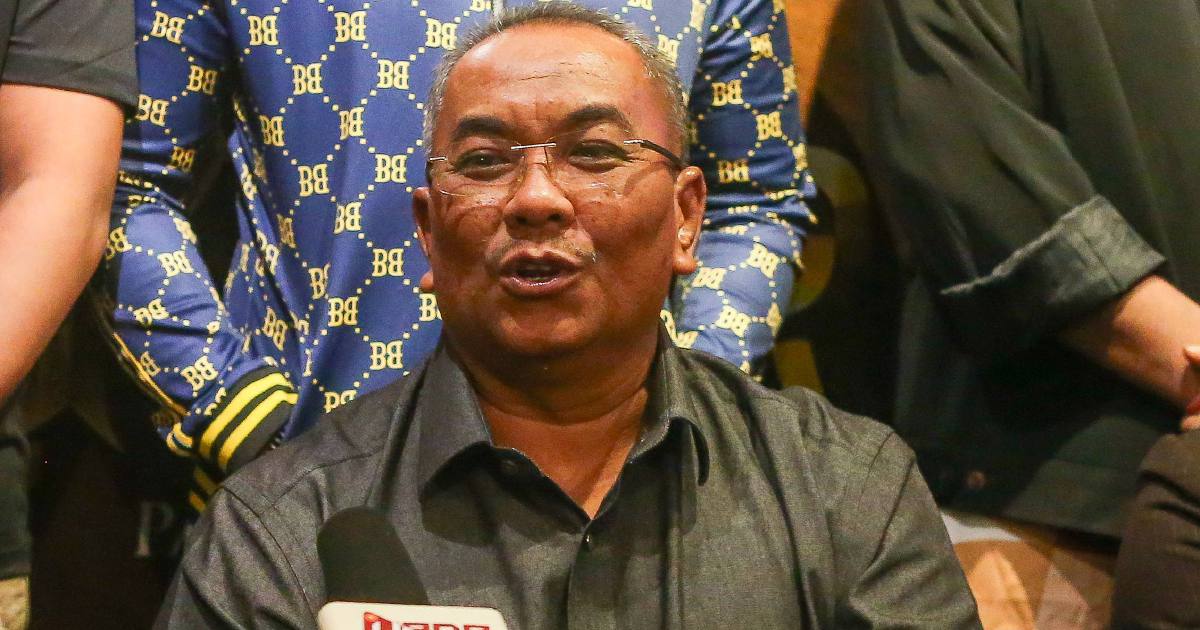
Kedah Menteri Besar Datuk Seri Muhammad Sanusi Md Nor has escalated a political dispute into legal territory, serving letters of demand on DAP deputy chairman Nga Kor Ming alongside two other individuals over claims they misrepresented his statements at a public gathering. The move underscores mounting tensions between the state leadership and the opposition Democratic Action Party, reflecting broader ideological friction within Malaysia's multiparty political landscape. The demand letters stem from remarks Sanusi made during a recent ceramah in Negri Sembilan, which the recipients are accused of deliberately distorting for political advantage.
The precise nature of the alleged misquotations remains a focal point of contention. Political opponents often seize on public statements made by their rivals, recontextualising words to suggest meanings the original speaker did not intend. In this instance, Sanusi has determined that the distortion crossed a threshold warranting formal legal action. Letters of demand represent a preliminary step in civil litigation, typically requesting correction of the record, retraction of false claims, and sometimes compensation for reputational harm. The recipients typically have a specified window—commonly two weeks—to respond and demonstrate compliance before further proceedings commence.
Nga Kor Ming's prominence within DAP's national leadership structure makes this confrontation particularly significant. As deputy chairman of a party that holds considerable parliamentary representation and serves in government in several states, his public utterances carry weight beyond local politics. The involvement of two unnamed co-recipients suggests either that these individuals amplified the alleged distortion through their own platforms, or that they were present at events where Sanusi's words were misrepresented. The identities of these individuals may reveal whether this dispute involves grassroots party members, media figures, or other political personalities.
Sanusi, who leads the state government in Kedah under the Perikatan Nasional coalition banner, operates within Malaysia's broader political realignment that has seen traditional alignments disrupted over recent years. His government maintains a particular ideological stance that sometimes conflicts with DAP's multiethnic, secular policy platform. Public disputes between state leaders and opposition figures are commonplace in Malaysian politics, but escalation to formal legal demands indicates that Sanusi views the damage to his reputation as sufficiently severe to warrant documentary evidence of his complaint and the opposing party's response.
The strategic implications of this move deserve consideration. Legal action against opposition figures can be a double-edged sword in Malaysian politics. While it demonstrates a willingness to defend one's honour and integrity, it also risks amplifying the original remarks to a broader audience and potentially portraying the state leadership as thin-skinned or overly litigious. Opposition parties often weaponise such moves by framing them as attempts to silence dissent or intimidate critics. Media coverage of the demand letters will almost certainly include repetition of the allegedly distorted remarks, potentially undoing any communicative advantage Sanusi hoped to achieve through legal action alone.
From a legal standpoint, the effectiveness of these letters of demand depends on whether the recipients can substantiate their version of Sanusi's statements. If recorded evidence exists—video or audio from the Negri Sembilan ceramah—it will be decisive in determining whether the distortion claim holds water. The burden of proof in defamation cases is famously high in Malaysian law, requiring demonstration that false statements were made, that they were published to third parties, and that they caused genuine reputational harm. Sanusi must therefore have confidence in his evidence before committing to this public legal stance.
The incident highlights how Malaysian political discourse has become increasingly litigious and personalised. Rather than settling disagreements purely through rhetorical counter-attacks or media responses, political figures increasingly deploy the courts as a venue for dispute resolution. This trend reflects both greater awareness of legal remedies among politicians and the normalisation of lawyer-led political combat. For voters attempting to discern political truth, the proliferation of legal claims and counterclaims creates a confusing landscape where determining who said what becomes secondary to determining which party's lawyers are more persuasive.
Regionally, this Malaysian dispute occurs within a broader pattern of opposition parties facing legal challenges from ruling governments across Southeast Asia. While Malaysia's constitutional protections for political speech remain relatively robust compared to neighbours, the trend of political litigation still carries implications for democratic discourse. When politicians resort to courts rather than debate, the character of political engagement subtly shifts from persuasion to coercion, from argument to authority. Opposition figures may become more cautious in their public remarks, not necessarily because they fear losing defamation cases but because the cost of defending such cases—in money, time, and distraction from substantive political work—becomes prohibitive.
The demand letters also come within the context of Kedah's particular political dynamics. As a state governed by Perikatan Nasional, Kedah represents part of the coalition's control of federal power, though that control remains contested and subject to parliamentary mathematics that shift frequently. Sanusi's aggressive response to alleged misquotations may partly reflect his government's defensive posture in a political environment where its grip on power cannot be taken as permanent. Demonstrating zero tolerance for criticism serves both as a deterrent to further attacks and as a signal to coalition partners of strength and resolve.
The resolution of this matter will likely unfold over coming weeks as the recipients' legal representatives respond to the demand letters. Whether this concludes with formal retractions, clarifications, or escalates to actual litigation remains uncertain. What is clear is that Malaysian politics continues to evolve toward a more legally mediated form of competition, with implications that extend beyond the individuals immediately involved to broader questions about the nature of democratic discourse in the country.

