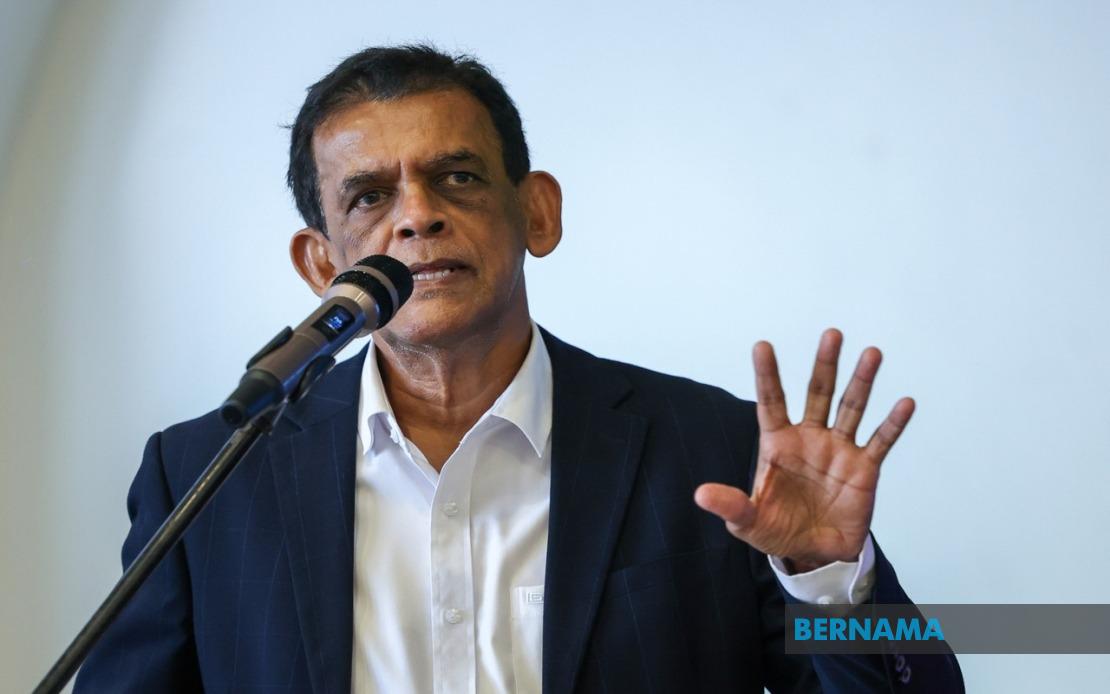
The Malaysian Artistes Association (Karyawan) is pushing for a fundamental restructuring of how music royalties are collected and distributed in Malaysia, with the organisation's leadership calling on the government to take direct responsibility for the system. At its annual general meeting, Karyawan adopted several resolutions aimed at overhauling the current royalty infrastructure, which Datuk Freddie Fernandez, the association's president, characterised as inadequate for an industry generating approximately RM200 million in annual public performance royalties. The proposal represents a significant escalation in industry frustration with longstanding governance problems that have disadvantaged local musicians and creators for more than two decades.
The proposed reform framework draws explicit inspiration from Indonesia's approach, where the government established a National Collective Management Institution to centralise the collection of public performance royalties. Indonesia's model emerged from similar struggles with transparency and accountability, prompting Jakarta to intervene and consolidate previously fragmented collection bodies. Fernandez suggested that Malaysia could benefit from comparable government intervention, noting that Indonesia's experience demonstrates both the viability and necessity of centralised state oversight in managing complex royalty ecosystems across rapidly evolving music markets.
Transparency has become the central complaint within Malaysia's music sector. The current system involves multiple competing collective management organisations, inconsistent administrative practices, high operational costs, and persistent disputes over how royalties should be distributed among various stakeholders. These structural weaknesses have created an environment where creators struggle to understand how their work generates income and where those revenues ultimately flow. Fernandez argued that such opacity undermines trust in the system and prevents artists from receiving fair compensation for their creative output, a situation that demands urgent governmental intervention.
Karyawan's blueprint envisions a comprehensive digital platform managed under government supervision that would function as Malaysia's centralised music rights registry and automated royalty distribution mechanism. This proposed system would maintain complete records of musical works, sound recordings, ownership structures, licensing agreements, usage data, royalty calculations, and payment distributions. Every transaction and interaction within the system would be verifiable and auditable, creating unprecedented transparency for government officials, rights holders, music users, and other industry participants. The digital infrastructure would enable real-time matching of musical usage to legitimate rights holders, with royalties calculated and disbursed automatically based on verified ownership information and documented usage patterns.
The efficiency gains from such centralisation could be substantial. By consolidating duplicative administrative processes across multiple organisations into a single government-supervised platform, Malaysia could reduce overhead costs and administrative redundancies that currently consume significant portions of collected royalties before they reach artists. This rationalisation would establish an unambiguous audit trail throughout the entire collection and distribution process, allowing independent verification of royalty flows and removing opportunities for unexplained deductions or misallocated funds. Fernandez emphasised that the transparency and accountability features would address the core grievances that have plagued the industry, creating confidence that artists receive payments proportionate to their works' actual performance and commercial usage.
The timing of Karyawan's proposal is particularly significant given broader regulatory developments. The association noted that its recommendations align with the Copyright (Collective Management Organisation) Guidelines 2025, suggesting that governmental adoption of centralised management would strengthen compliance with emerging standards for governance, record-keeping, and accountability. This regulatory alignment could facilitate implementation by positioning the proposal as part of Malaysia's broader intellectual property modernisation rather than as revolutionary disruption to existing market arrangements.
Artificial intelligence represents an emerging challenge that Karyawan believes a government-supervised system would help address. As AI-generated music becomes increasingly prevalent without clear mechanisms for tracking rights or compensating original artists whose work may have trained AI models, a centralised digital platform could develop appropriate protocols for handling AI-generated content and ensuring that human creators receive fair treatment in an AI-augmented musical landscape. Without such governmental action, Fernandez warned, the music industry risks being overwhelmed by untracked and uncompensated AI-generated material.
Beyond systemic reforms, Karyawan has highlighted specific grievances involving record labels and streaming platforms. The association reports that many members have not received equitable royalty shares from album sales and social media streaming services, suggesting that portions of revenue are diverted or withheld at intermediate stages before reaching artists. The case of late music legend Sudirman Arshad has become emblematic of these problems; his family only recently received RM367,000 in accumulated royalties after waiting many years despite decades of the artist's continued commercial performance. Since publicising this situation, Karyawan says numerous members have come forward reporting similar royalty shortfalls, prompting the association to compile evidence for potential legal action seeking fair compensation and systemic remediation.
Karyawan's proposal arrives amid escalating tensions between the music industry and government agencies. The association, MyIPO (Intellectual Property Corporation of Malaysia), the Ministry of Domestic Trade and Cost of Living, and three major royalty collection bodies—Music Authors' Copyright Protection, Public Performance Malaysia, and Recording Performers Malaysia—have engaged in recent legal disputes, suggesting that industry stakeholders increasingly view current arrangements as untenable and are willing to pursue confrontational strategies to achieve change. This fractious environment indicates that voluntary reform through market mechanisms has failed and that structural intervention may be necessary.
For Malaysian creative industries more broadly, the outcome of this debate carries significant implications. Music represents only one creative sector; if government-supervised centralised management proves effective for royalties, similar models might eventually be applied to other intellectual property categories including visual arts, literature, and film. The precedent established here could reshape how Malaysia approaches creator compensation across multiple domains. Additionally, the proposal reflects broader regional trends toward governmental engagement with cultural and creative economy governance, positioning Malaysia within conversations that other Southeast Asian nations are also navigating.
The proposal also addresses a fundamental equity concern: ensuring that working musicians and composers—often economically vulnerable individuals without corporate backing—receive fair market value for their creative labour. By removing intermediaries and streamlining distribution pathways, a government-supervised system could shift more revenue directly to creators rather than allowing administrative costs and organisational markups to consume disproportionate shares of collected royalties. This redistribution aspect appeals to fairness principles and addresses economic justice concerns that transcend narrow technical efficiency considerations.
Karyawan's call represents a decisive moment for Malaysian music policy. The association is essentially arguing that the current fragmented, opaque system has exhausted its capacity to serve creator interests and that only comprehensive government intervention can restore equity, transparency, and accountability. Whether the government accepts this challenge will signal its commitment to protecting local creative workers and positioning Malaysia as a jurisdiction that supports artistic creation through robust institutional frameworks. The coming months will likely determine whether Malaysia moves toward the Indonesian model of centralised government management or continues defending the existing multi-organisation approach.

