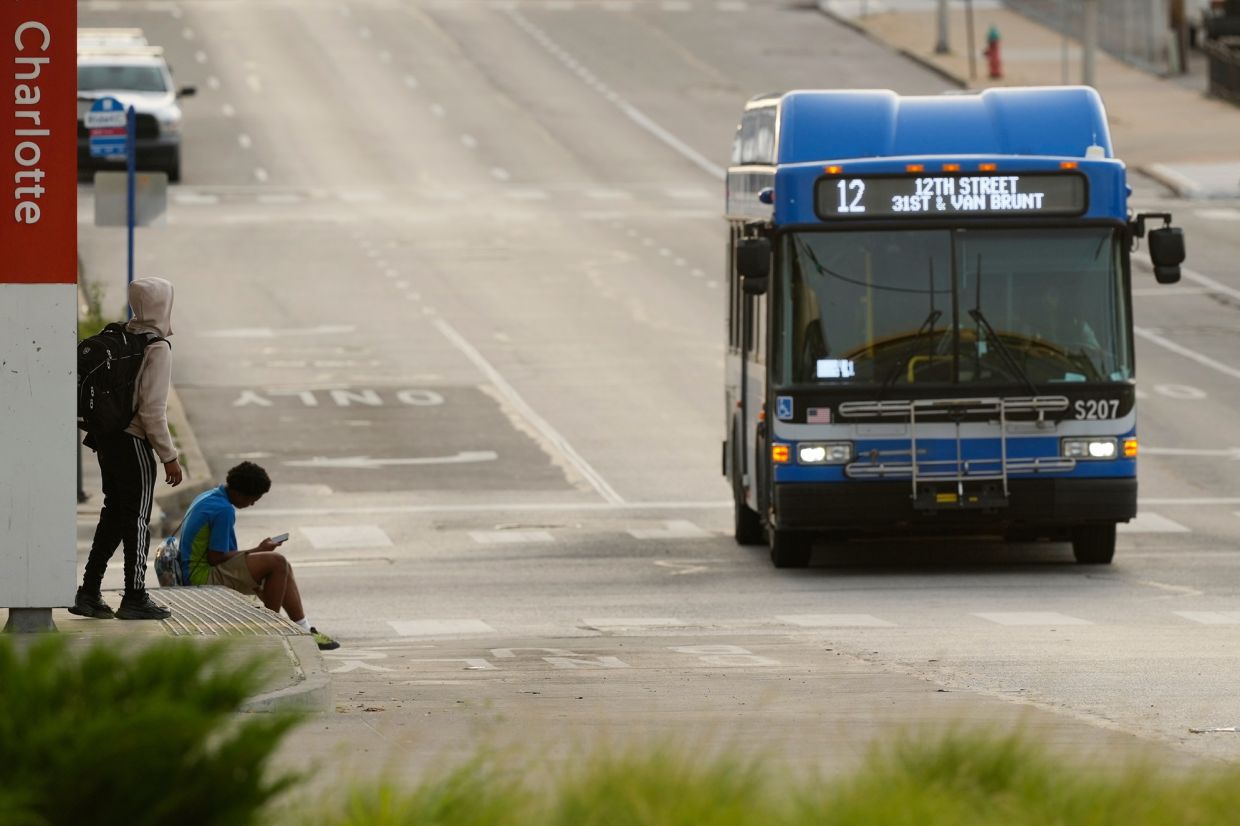
Kansas City, Missouri is preparing to become a focal point in America's evolving conversation about artificial intelligence and surveillance. Municipal officials plan to equip cameras on some of the city's public buses with facial recognition software designed to identify passengers appearing on watchlists—including banned riders, missing persons, and individuals flagged by law enforcement. The initiative has swiftly attracted widespread attention, with both proponents and critics viewing it as a watershed moment for AI-powered monitoring technologies on urban transportation networks.
The deployment comes as cities across the United States grapple with balancing public safety against citizen privacy rights. Jay Stanley, senior policy analyst for the American Civil Liberties Union's Project on Speech, Privacy and Technology, frames Kansas City's ambitions as crossing a significant threshold. According to Stanley, deploying live facial recognition on cameras pointed at busy public spaces represents a departure from practices spanning the previous quarter-century. This characterisation underscores how technology is outpacing regulatory frameworks and public discourse about appropriate surveillance limits.
The project has already encountered complications that reflect broader implementation challenges facing American municipalities attempting to deploy facial recognition. Missouri's state government declined to provide financial support specifically because of concerns related to the facial recognition component, forcing Kansas City to pursue alternative local and federal funding sources. Tyler Means, chief mobility and strategy officer at the Kansas City Transportation Authority, acknowledged that the technology represents a novel application while attempting to contextualise it within existing practices. "We've always had cameras on our buses," Means explained, suggesting that facial recognition is merely an technological enhancement rather than a fundamental shift in surveillance practices.
SafeSpace Global, a Knoxville, Tennessee-based firm, serves as the technology partner for Kansas City's initiative. The company brings years of experience deploying live facial recognition systems in settings ranging from nursing homes—where it alerts staff when residents leave buildings—to correctional facilities and educational institutions. Kansas City's buses mark SafeSpace Global's first foray into public transportation applications. Chief Executive Officer Scott Boruff maintains that the system operates with meaningful safeguards. When images captured aboard buses are processed, facial data is immediately cross-referenced against active alerts relating to missing persons, banned riders, or law enforcement watch lists designated by transit authorities. Boruff emphasises that if no match emerges, facial information is discarded rather than retained, with only standard video footage archived on local servers for up to five years.
Despite such assurances, privacy advocates remain sceptical about the long-term trajectory of such surveillance infrastructure. Stanley warns that artificial intelligence systems tend to expand beyond their initial scope regardless of stated intentions. What begins as a narrow watchlist application today, he argues, carries substantial risk of broadening into more expansive monitoring capabilities over time. This concern reflects patterns visible in other American cities where surveillance technologies have gradually migrated toward more intrusive purposes than originally anticipated or authorised.
The historical record provides cautionary lessons about facial recognition deployment in American municipalities. Following the September 11 terrorist attacks, Tampa, Florida police implemented facial recognition cameras in the Ybor City neighbourhood to identify crime suspects, but faced immediate public backlash and soon abandoned the program. More recently, New Orleans police secretly operated facial recognition surveillance cameras despite a city ordinance explicitly prohibiting such technology. These examples illustrate the tension between law enforcement objectives and community concerns about unchecked surveillance expansion. Meanwhile, Detroit pursued a different approach by partnering with private businesses including gas stations and liquor stores to install high-definition cameras providing live feeds of violent crimes to the police department. Former Police Chief James Craig subsequently argued that proper policy frameworks, transparency mechanisms, and accountability structures could permit responsible facial recognition use, cautioning that reflexive prohibitions might eliminate valuable public safety tools.
Kansas City's timeline for deployment has already slipped considerably. Cameras were originally scheduled for installation during spring, with plans to become operational before World Cup matches taking place in the city. However, implementation halted just before launch due to technical and financial complications. The technical dimension involved upgrading Wi-Fi routers to simultaneously support both the recognition cameras and a new fare collection system. Simultaneously, the withdrawal of state funding created budgetary obstacles. Means expressed confidence that the program will ultimately launch during the current year, potentially expanded to encompass as many as thirty buses rather than the nine originally planned for the pilot phase. SafeSpace Global CEO Boruff indicated readiness to commence installations once funding materialises, though anticipates requiring three to four months for software configuration specific to Kansas City's requirements.
City leadership demonstrates measured approaches toward the technology's deployment. Ryana Parks-Shaw, a City Council member serving as mayor pro tem, expressed satisfaction with implementation delays, arguing that deliberate, transparent approaches incorporating clear safeguards represent appropriate caution when deploying surveillance technologies. This perspective suggests emerging consensus among some municipal leaders that rushing facial recognition deployment risks inadequate policy development and public trust erosion. To address security concerns during the World Cup without facial recognition systems, Kansas City recalibrated its strategy to deploy as many as forty additional officers patrolling transit stops and transportation centres, effectively reverting to conventional human-centred approaches.
The implications for Southeast Asian cities warrant consideration as American frameworks for facial recognition governance gradually coalesce. Malaysia and regional counterparts increasingly confront decisions regarding surveillance technology deployment on public transit systems. Kansas City's experience—encompassing both enthusiastic proponents emphasising safety benefits and civil liberties advocates warning about mission creep—provides practical insights into implementation realities. The American city's technical complications, funding challenges, and political hesitation suggest that facial recognition deployment proves more complex than initial corporate or governmental enthusiasm indicates. As urban planners and policymakers across Southeast Asia evaluate comparable technologies, Kansas City's unfolding experience serves as instructive regarding both opportunities and pitfalls accompanying facial recognition expansion on public transportation networks.

