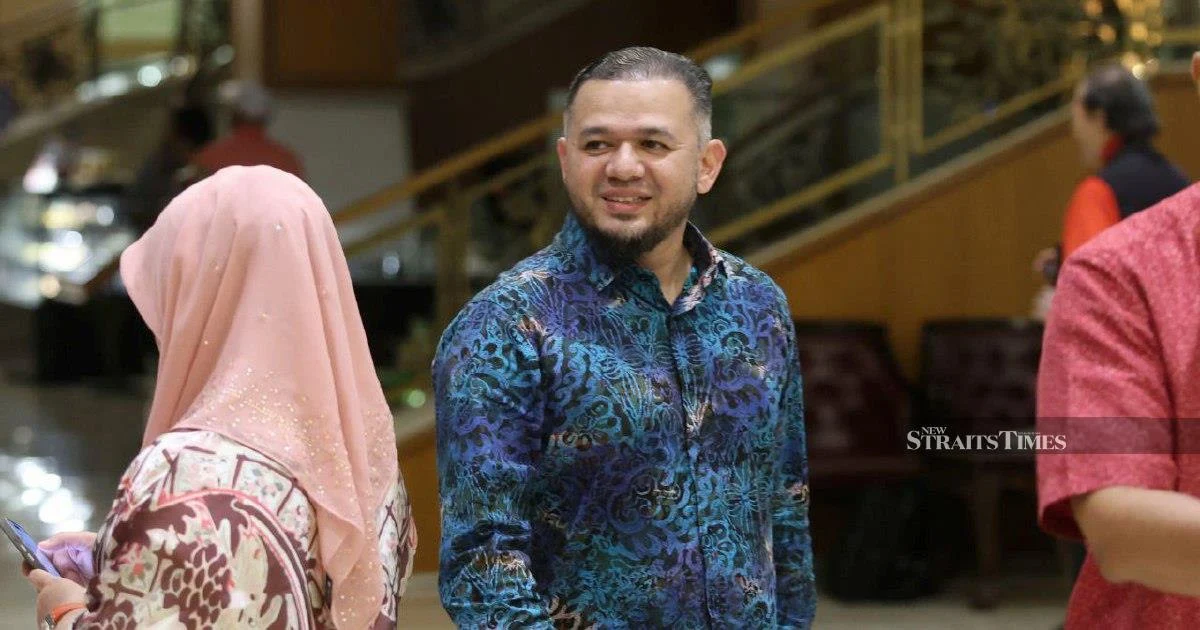
The High Court in Kuala Lumpur has dismissed a legal challenge by Kangar Umno division chief Datuk Dr Fathul Bari Mat Jahya and two other former company directors who sought to defer payment of RM492,480 to a hajj and umrah service operator. The ruling means the three individuals must now proceed with immediate repayment following the court's rejection of their stay of execution application.
The debt stems from the trio's involvement as directors of a company that had undertaken obligations to the hajj service provider. Rather than proceed directly to payment after an earlier unfavourable judgment, the three men filed a stay application—a legal mechanism that would have temporarily halted enforcement of the court's decision while they pursued further appeals or remedies. The High Court's dismissal of this application represents a significant setback to their efforts to delay the financial settlement.
Stay of execution applications are commonly filed in commercial disputes when defendants believe they have viable grounds for appeal or when they face genuine hardship from immediate payment. The court's decision to reject this application suggests the judge found insufficient merit in the arguments presented by Fathul Bari and his co-defendants, or determined that no serious question of law or fact remained unresolved that would justify postponing enforcement.
For the hajj and umrah service provider, the court's decision validates their claim and removes a significant obstacle to recovering funds they argue were rightfully owed. The company has now cleared a crucial legal hurdle, though the practical matter of actual payment collection may present separate challenges depending on the financial circumstances of the three former directors.
The involvement of a serving Umno division chief in a commercial dispute of this nature adds a layer of public interest to what might otherwise remain a routine contractual matter. Umno, as Malaysia's dominant party in the current coalition government, faces ongoing scrutiny regarding governance standards and the conduct of its members. High-profile legal actions against party officials, particularly those involving financial obligations, attract attention beyond the immediate parties involved and contribute to broader perceptions of institutional accountability.
Kangar, located in Perlis near the Thai border, is a significant constituency within Umno's traditional support base in northern Malaysia. Division chiefs occupy important positions within the party hierarchy, serving as crucial links between grassroots members and state and federal leadership. The legal complications facing Fathul Bari may also carry implications for local party dynamics and his standing within the organisation, though party leadership has not publicly commented on the case.
The dismissal of the stay application does not necessarily prevent the defendants from pursuing further legal remedies. Malaysian civil procedure allows for additional avenues of appeal and review, though each successive level of appeal becomes progressively more demanding in terms of the legal grounds that must be established. The practical effect of the High Court's decision is that the defendants cannot now delay payment while they contemplate or prepare subsequent legal challenges.
Commercial disputes involving hajj and umrah service providers have become more prominent in Malaysian courts in recent years, reflecting both the significant number of Malaysian Muslims undertaking these religious journeys annually and the substantial sums involved in organising such travel. Service providers in this sector depend on timely payment from their clients and partners to finance operations, making enforcement of contractual obligations particularly important for business viability. This case illustrates the lengths to which defendants sometimes go to avoid immediate settlement, despite judicial determinations against them.
The RM492,480 figure represents a substantial sum, suggesting either a significant breach of contract or the accumulation of fees, charges, and interest over an extended dispute period. The specific nature of the obligation—whether deposits held on behalf of pilgrims, fees for services rendered, or penalties for breach—remains unclear from available information, but the magnitude indicates serious financial consequences for the defaulting parties.
For Malaysian business communities, the decision reinforces that High Court rulings in commercial matters are not merely advisory and that stay applications face genuine scrutiny rather than automatic approval. Companies and individuals contemplating similar disputes should recognise that courts will carefully evaluate whether deferring enforcement serves the interests of justice or merely allows defendants to avoid legitimate obligations indefinitely.
The matter now moves into the execution phase, where the court's machinery will focus on ensuring compliance with the judgment. Depending on whether the three former directors voluntarily satisfy the judgment or resist payment, creditors can employ various enforcement mechanisms available under Malaysian law, potentially including asset seizure or bankruptcy proceedings in cases of persistent non-payment.
As an official in one of Malaysia's leading political parties, Fathul Bari's handling of this financial obligation will likely be noted by constituents and party members alike. The case underscores that legal determinations apply equally regardless of an individual's political standing, and that even prominent political figures must ultimately comply with court judgments when commercial disputes are resolved against them. The broader implications extend to questions of personal financial responsibility and the standards expected of party office-holders in Malaysia's political system.

