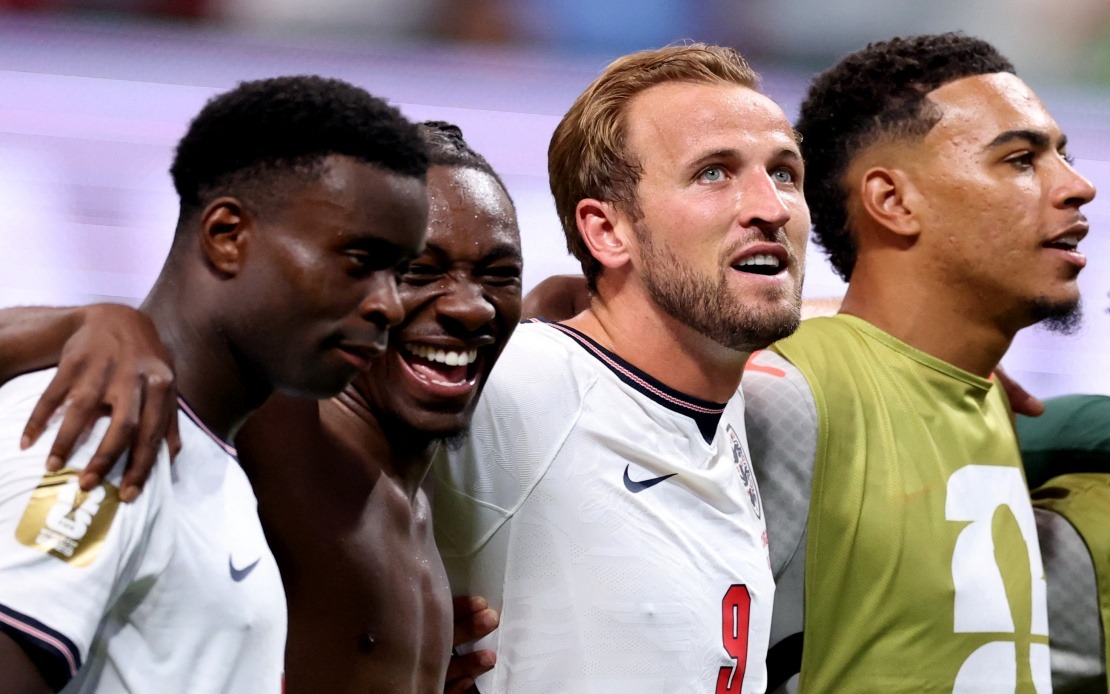
England came perilously close to suffering one of international football's greatest upsets when they faced the Democratic Republic of Congo in Atlanta on Wednesday, only to be hauled back from the brink of elimination by Harry Kane's crucial second-half brace. The turnaround salvaged Thomas Tuchel's side from what would have been a catastrophic early exit and propelled them into a round of 32 encounter with Mexico, but the narrow escape also exposed significant defensive vulnerabilities that could prove costly in the tournament's later stages.
The nightmare scenario unfolded when Brian Cipenga gave Congo an early advantage, threatening to echo the shocking Euros exit to Iceland that still haunts English football a decade later. For lengthy stretches of the opening period, Congo's goalkeeper Lionel Mpasi performed heroically between the sticks, repeatedly denying Kane and forcing England into increasingly frantic attacks. The underdog side's compact defensive shape and counter-attacking aggression created genuine problems for an England team that appeared to lack the cutting edge and cohesion required to dismantle determined opposition playing their first knockout fixture at this level.
Congo's defensive organisation was complemented by occasional forays forward that carried real menace, most notably when Yoane Wissa came agonisingly close to extending the lead in the first half. The Democratic Republic of the Congo, making their debut in a World Cup knockout round, demonstrated that their presence represented far more than ceremonial opposition. Their willingness to press high and transition quickly exposed gaps in England's backline, while Kane himself felt aggrieved when a penalty appeal was waved away during a frustrating opening forty-five minutes in which Tuchel's tactical setup struggled to unlock Congo's defensive system.
The second half brought a marked shift in England's fortunes, though the psychological strain remained evident in the palpable tension that gripped their play. As the minutes accumulated, England's supporters grew increasingly anxious, their audible frustration reflecting the uncomfortable reality that their tournament favourites were floundering against opponents ranked far below them in the world standings. It was only when Anthony Gordon came off the bench that England discovered the creative spark necessary to breach Congo's increasingly tired defence and capitalise on their numerical superiority in midfield.
Gordon's introduction proved transformative, the winger setting up Kane on two separate occasions to complete a dramatic reversal of fortunes and secure a 2-1 victory that felt far from convincing. Despite the positive outcome in terms of points and progression, the manner of England's performance raises uncomfortable questions about their capacity to maintain focus and convert dominance into decisive scorelines when facing resilient defensive opponents. The fact that this represented only England's first World Cup victory after conceding first since winning the 1966 final underscores how infrequently they find themselves in such situations and how unpractised they remain at navigating comeback scenarios.
Mexico awaits in the next round, and the challenge posed by Tuchel's side's upcoming opponents may prove substantially more sophisticated and dangerous than Congo's comparatively straightforward approach. Mexican sides typically combine defensive discipline with technical quality in build-up play and possess forwards capable of exploiting the defensive frailties that Congo's direct approach failed to fully capitalise upon. The Azteca Stadium fixture promises to test whether England's second-half adjustments and personnel changes represented genuine tactical improvements or temporary solutions masking deeper organisational issues.
England's path to the final, if they harbour such ambitions, appears decidedly uncertain given this unconvincing display. While Kane's clinical finishing salvaged the result, the underlying problems evident throughout the Congo encounter—sluggish transition play, defensive vulnerability to counter-attacks, and an inability to dominate possession meaningfully—suggest that Tuchel's adjustment period remains incomplete. For Malaysian and Southeast Asian observers accustomed to seeing England's technical prowess and financial advantages expected to translate into routine victories, this narrowly escaped disaster serves as a reminder that international football's unpredictability transcends continental boundaries and that tournament football regularly produces outcomes that defy conventional hierarchies and expectations.
The passage through to Mexico represents both opportunity and warning for England's management and supporters. Opportunity exists to refine the system and build genuine cohesion before facing tougher opponents, yet the warning is equally stark: complacency and poor execution will be mercilessly punished, even by opponents deemed vastly inferior on paper. Kane's heroics masked systemic issues that require urgent attention, and whether Tuchel can implement the necessary corrections before stepping into the Mexico fixture will largely determine whether this World Cup campaign represents a tournament triumph or a tournament-defining disappointment.

