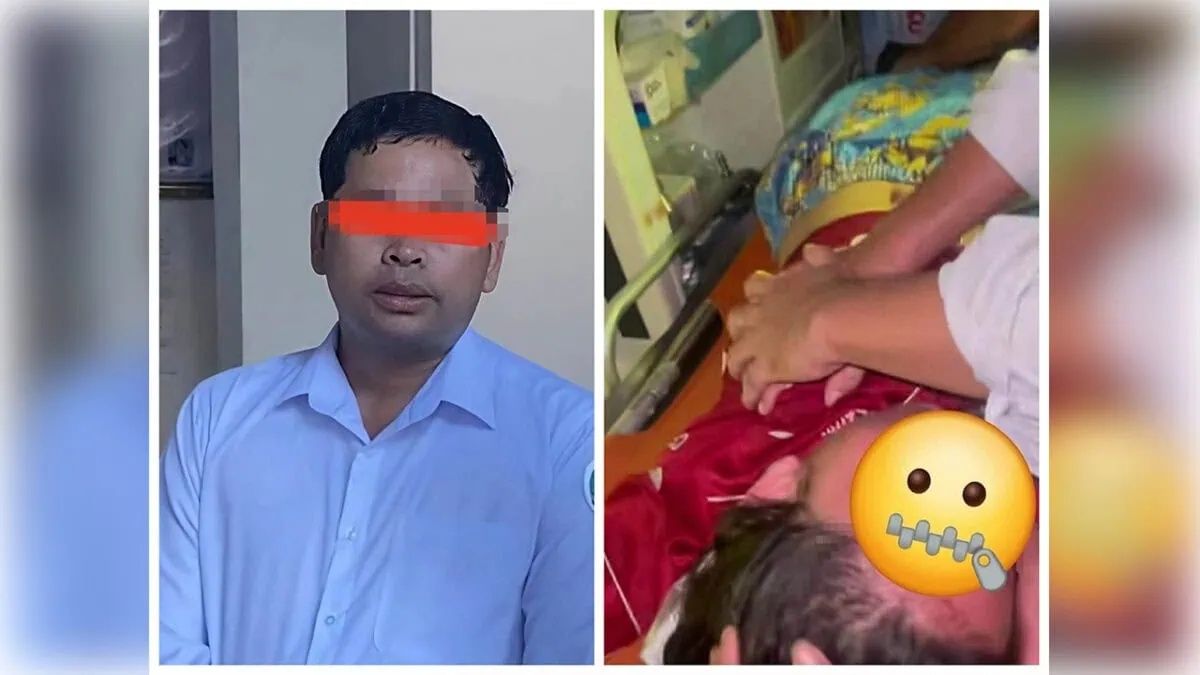
The leadership of Kandal province's Setbo Health Centre underwent a sudden administrative shake-up this week when provincial governor Kuoch Chamroeun issued an order stripping the facility's chief, Chhun Phally, of his position. The decision came in response to mounting public fury over footage showing Phally treating a 17-year-old female patient who had been brought to the centre in medical distress. The administrative order, dated Tuesday, August 4, took immediate effect and reassigned Phally to a lower-ranking position within the provincial health administration.
The sequence of events that led to Phally's removal began when the teenager arrived at Setbo Health Centre experiencing acute medical complications, including seizures and breathing difficulties. A family member present during the emergency response recorded portions of the treatment, apparently intending to document the patient's condition for other relatives. This recording, however, soon found its way onto social media platforms, where it circulated widely and generated considerable controversy among online users and the general public.
The viral footage sparked intense debate about the appropriateness of the medical intervention. Many social media commentators questioned whether the treatment methods aligned with established medical protocols and whether the way the patient was handled respected her dignity and rights. Allegations emerged suggesting that the manner in which Phally administered care amounted to harassment or violated accepted standards of patient care and professional conduct during emergency situations.
While the governor's removal order provided no explicit explanation for the reassignment decision, observers understand it as a direct response to the escalating public pressure and reputational damage surrounding the incident. The speed of the administrative action—occurring within a single day of the video's widespread circulation—underscores the significant political sensitivity around healthcare worker conduct in the Cambodian public sphere.
Following the backlash and the governor's intervention, the Kandal provincial health department initiated a formal investigation into the matter. Kiem Piseth, serving as acting provincial health director, announced that authorities would scrutinise whether the medical procedures employed during the emergency treatment complied with professional standards and best practices. He signalled that the investigation would also determine whether any form of misconduct, including allegations of sexual harassment, had occurred during the incident.
Piseth's statement indicated that potential consequences could extend well beyond administrative remedies. The health official emphasised that if the investigation uncovered evidence of misconduct or sexual harassment, authorities would pursue legal action in addition to any disciplinary measures already implemented. This strong language reflected the gravity with which provincial authorities were treating the situation and the potential legal jeopardy facing Phally pending the investigation's outcome.
In response to the mounting criticism, Phally issued a public statement attempting to clarify his actions and defend his professional conduct. He expressed regret for any misunderstandings that his emergency treatment may have caused and emphasised his commitment to patient welfare. Phally categorically denied the allegations of sexual harassment and inappropriate behaviour, asserting that his singular focus during the incident was preserving the patient's life during what he characterised as a genuine medical emergency requiring immediate intervention.
The controversy has reopened broader discussions within Cambodia regarding professional standards and ethical frameworks governing healthcare delivery. Medical ethics advocates and observers have seized upon the incident as an opportunity to call for enhanced institutional safeguards designed to protect patient dignity and privacy while simultaneously ensuring that healthcare workers receive comprehensive training in emergency medical procedures. These conversations reflect growing awareness among Cambodian society about the intersection of patient rights, professional accountability, and quality of care provision.
The incident also highlights persistent challenges within Cambodia's healthcare system regarding transparency, professional standards enforcement, and public confidence in medical institutions. The rapid emergence of the video on social media demonstrates how healthcare incidents can quickly become matters of significant public concern, placing pressure on provincial authorities to demonstrate responsiveness and commitment to accountability. For healthcare workers across the region, the case serves as a cautionary reminder that medical decisions made during emergency situations may face intense public scrutiny, particularly when documented and circulated through digital platforms.
As of the latest available information, neither the outcomes of the ongoing investigation nor details regarding potential further disciplinary or legal action against Phally have been disclosed to the public. The authorities remain engaged in their examination of the circumstances surrounding the patient's treatment, with the provincial health department and other relevant agencies determining the appropriate response. The case's resolution will likely establish important precedents for how similar incidents involving healthcare worker conduct are handled within Kandal province and potentially across Cambodia's broader healthcare system.

