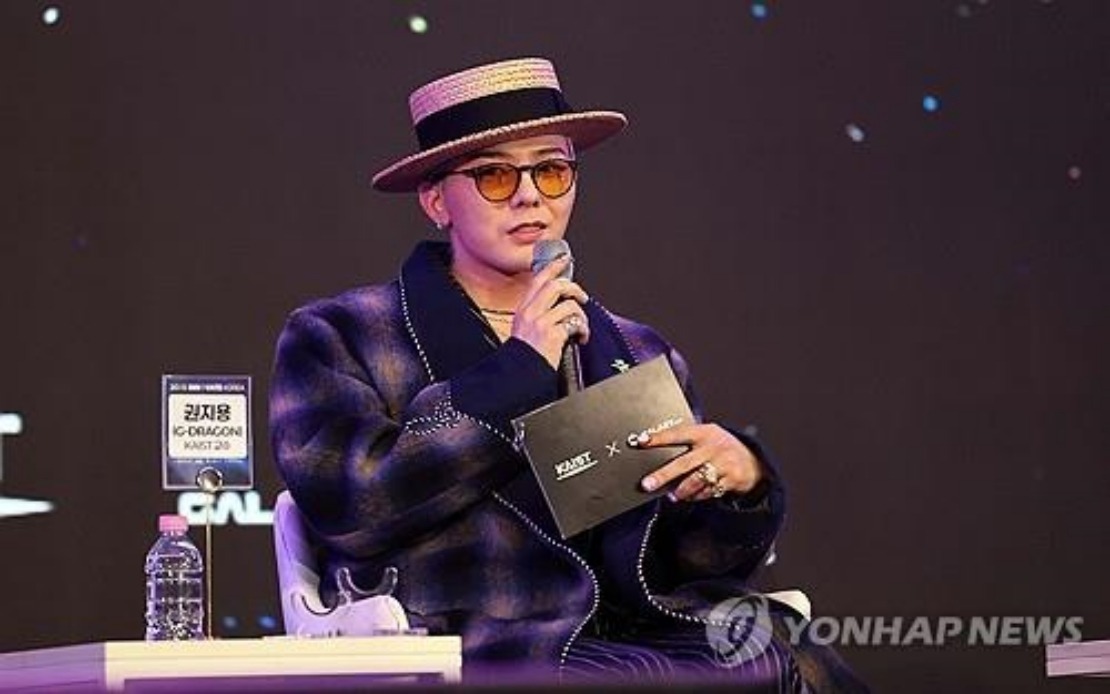
South Korea is preparing to host the UNESCO World Heritage Committee for the first time in nearly four decades, and the country has enlisted one of Asia's biggest entertainment figures to champion the initiative. K-pop superstar G-Dragon, whose real name is Kwon Ji-yong, has been appointed honorary ambassador for the 48th session, which will take place in the port city of Busan from July 19 to 29. The Korea Heritage Service announced the appointment on Friday, positioning the 37-year-old artist as the public face of an event that underscores Seoul's commitment to safeguarding global cultural and natural treasures.
The choice of G-Dragon reflects a strategic decision to leverage celebrity influence in promoting international heritage conservation efforts. Officials cited his prominence across the entertainment industry and his expanding footprint in global cultural discourse as key reasons for the appointment. Beyond his decades-long career in music, where he has shaped K-pop trends and collaborated with international artists, G-Dragon has increasingly positioned himself as an advocate for social and cultural causes. The Korea Heritage Service characterised him as possessing "global influence extending beyond K-pop into the broader cultural and arts sphere," making him an apt representative for an institution concerned with the intersection of culture, heritage, and international cooperation.
In recent years, G-Dragon has redirected his focus towards philanthropic endeavours that marry art with activism. Most notably, in 2024 he donated his music copyrights to establish the JusPeace Foundation, a non-profit organisation dedicated to public-interest initiatives. The foundation's name, blending "justice" and "peace," signals his commitment to using cultural platforms as vehicles for social change. As honorary chairman of the foundation, he continues to shape its strategic direction and public messaging. This trajectory from pure entertainment to cause-driven leadership positioned him favourably for a role that demands both celebrity magnetism and demonstrated commitment to broader humanitarian concerns.
The appointment carries particular significance for Southeast Asia and the broader Asia-Pacific region. South Korea's hosting of the World Heritage Committee represents a milestone for East Asian soft power and cultural diplomacy. The last time the committee convened in East Asia was in 1988, when South Korea joined the World Heritage Convention. That three-decade gap underscores how hosting this gathering elevates a nation's profile in global cultural stewardship discussions. For Malaysian readers and regional observers, the event signals the importance Asian nations now place on heritage protection amid rapid development, urbanisation, and environmental pressures that threaten historic sites throughout the region.
Central to G-Dragon's ambassadorial role is his involvement in a global campaign titled "Heritage in Peace," launching jointly with UNESCO next Friday. The initiative aims to mobilise individuals, corporate entities, and municipal governments in collective efforts to protect designated World Heritage sites. Rather than positioning heritage conservation as the exclusive purview of governments and international bodies, the campaign emphasises grassroots participation and cross-sector engagement. This approach reflects evolving thinking about how cultural preservation must become a shared responsibility across society, a principle highly relevant to developing nations throughout Southeast Asia grappling with balancing economic growth against conservation imperatives.
The "Heritage in Peace" campaign carries particular urgency given contemporary global challenges. Funds raised through the initiative will be directed into the World Heritage Fund, specifically to support sites threatened by armed conflict, climate change, and natural disasters. For a region like Southeast Asia, where countries face mounting climate vulnerabilities and where several heritage sites exist in conflict-affected areas, the campaign's focus addresses genuinely pressing concerns. G-Dragon's involvement in promoting the campaign through multimedia content and live appearances amplifies messaging centred on "peace through culture and participation," a framing that resonates across diverse cultural and political contexts.
G-Dragon's ambassadorial appointment also demonstrates how international organisations increasingly collaborate with entertainment figures to amplify their missions to younger, digitally-engaged audiences. His social media presence, substantial fan base across multiple continents, and track record of addressing social issues through artistic expression make him an efficient conduit for reaching demographics that might otherwise remain disconnected from UNESCO's work. For Malaysian and Southeast Asian media watchers, this trend reflects broader shifts in how institutions engage publics, particularly in markets where celebrity culture and social media significantly shape information consumption patterns.
The artist previously served as honorary ambassador for the Asia-Pacific Economic Cooperation summit held in Gyeongju last year, where he performed at an official welcome dinner honouring participating leaders. That engagement provided him with experience navigating high-level diplomatic contexts while maintaining his artistic credibility, suggesting he approaches such roles with serious professional commitment rather than treating them as ancillary celebrity engagements. His performance at the APEC event and subsequent appointment to the UNESCO role indicate that South Korean officials have confidence in his ability to represent national interests on international stages while maintaining authenticity.
The UNESCO World Heritage Committee itself remains a consequential body within global governance structures, despite often operating outside mainstream media attention. The committee makes binding decisions regarding which sites receive World Heritage designation—a classification that carries significant tourism, economic, and diplomatic implications. It also oversees protection strategies for sites facing threats and adjudicates disputes over heritage preservation approaches. For nations throughout Southeast Asia with multiple designated World Heritage sites, the committee's composition and decision-making processes directly affect resource allocation and development policy. South Korea's hosting of the session, combined with global figures like G-Dragon amplifying the committee's work, potentially elevates awareness of heritage conservation among constituencies that might otherwise remain uninformed about such technical international mechanisms.
The appointment also reflects how cultural diplomacy has become increasingly important to South Korean foreign policy. As the nation seeks to enhance its influence in international affairs beyond economic and military dimensions, culture—particularly through music and entertainment—serves as a powerful soft-power instrument. G-Dragon exemplifies this phenomenon; his global recognition enables him to represent South Korean values and perspectives in forums where traditional diplomatic representatives might have less resonance. For Malaysia and other Southeast Asian nations similarly exploring how to leverage cultural assets in international relations, the South Korean example offers instructive lessons about cultivating entertainment industry figures as cultural ambassadors.
Looking forward, G-Dragon's role throughout the Busan session will likely establish a precedent for how UNESCO engages celebrity figures in future major convenings. If his ambassadorship generates measurable increases in public engagement with heritage conservation issues or successful fundraising for threatened sites, it could encourage the organisation to deepen such partnerships. For heritage advocates across Southeast Asia concerned about protecting regional sites from climate impacts and development pressures, the visibility and resources generated through such high-profile campaigns could translate into tangible benefits for conservation efforts in their own countries. The intersection of celebrity influence, cultural diplomacy, and international institutional work exemplified by this appointment reflects how contemporary global governance increasingly operates across traditional boundaries between entertainment, politics, and policy-making.

