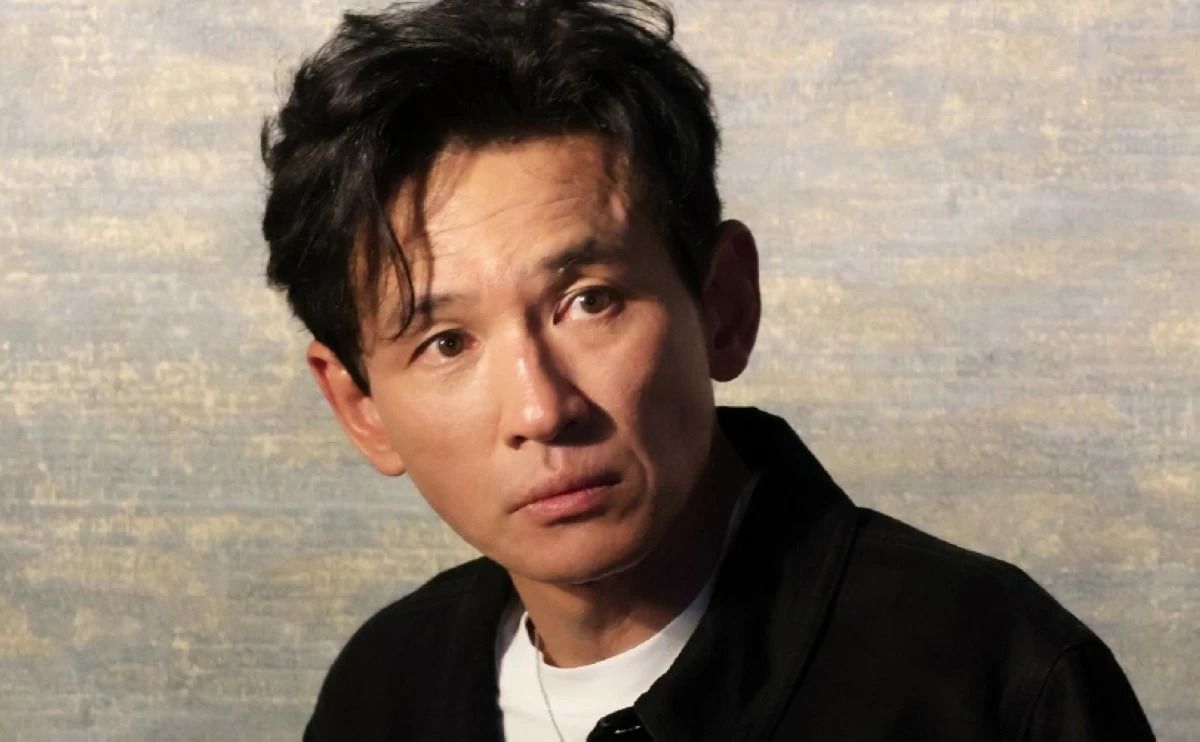
South Korean actor Hwang Jung-min's management company has firmly rejected allegations of an extramarital affair, characterizing the woman who made the claims as a criminal stalking suspect and announcing plans for further legal action against her. The agency issued its response on July 29 following social media posts in which a woman alleged romantic involvement with the 55-year-old actor, providing what she claimed were text messages, photographs, and an audio recording as evidence of their relationship.
According to the agency's statement, the woman behind the posts is under investigation for criminal stalking and has engaged in continuous harassment of Hwang over an extended period. The actor filed a formal criminal complaint against her in 2025, setting in motion a series of legal proceedings. The severity of the situation is underscored by the fact that a court has already imposed restraining orders against the woman on three separate occasions and issued her a fine of three million won, equivalent to approximately RM8,525, through a summary order process.
The woman has chosen to contest the court's financial penalty, requesting a formal trial to challenge the sanction. Beyond the criminal proceedings, she has also initiated a civil lawsuit against Hwang seeking monetary damages, according to local South Korean media reports. This multi-pronged legal approach suggests the accuser intends to pursue the matter through various avenues despite the court's previous intervention.
Hwang's management has characterized the evidence presented on social media as "maliciously edited" and announced its intention to pursue additional legal measures in response to the posts. The agency issued an apology for the distress and concern generated by the situation but notably stopped short of definitively confirming or denying the authenticity of the audio recording that the woman had shared publicly. This measured response leaves some ambiguity, though the agency's overall position makes clear its position that the allegations are without foundation.
The actor has been married since 2004 to Kim Mi-hye, a South Korean theatre and musical producer who holds an executive position at SEM Company, the entertainment firm that represents Hwang. Their long-standing marriage and the fact that his wife heads his own management agency underscore the domestic dimension of these allegations and the potential damage they might cause to both his personal and professional life.
Hwang stands among South Korea's most commercially successful film actors, with a track record of headlining numerous blockbuster productions that have resonated with audiences both domestically and internationally. His consistent ability to draw audiences to cinemas has made him a bankable star whose projects attract significant investment and attention within the Korean film industry.
Currently, Hwang is engaged in filming Na Hong-jin's action thriller, a significant production that will expand his presence in the competitive entertainment landscape. The film, titled Hope, features an ensemble cast that includes fellow South Korean stars Zo In-sung and Jung Ho-yeon, alongside prominent Hollywood performers Michael Fassbender and Alicia Vikander. The international nature of the cast reflects the increasingly global scope of major Korean film productions.
The release of Hope in Singapore on September 10 marks an important milestone for the film's distribution strategy in Southeast Asia. The choice to premiere in the regional hub signals confidence in the project's commercial potential within the broader Asian market. For Malaysian audiences and the wider Southeast Asian film-going public, the release represents an opportunity to engage with high-profile Korean cinema featuring both established and rising talent alongside recognizable Hollywood names.
This controversy arrives at a delicate moment for Hwang professionally, as the actor seeks to maintain momentum for his upcoming major release. The reputational implications of such allegations, regardless of their validity, can influence audience perception and commercial performance, particularly in markets that place significant weight on an entertainer's public image. The swift and forceful response from his agency appears designed to contain any potential damage to his brand and to preempt broader public concern as the film's release approaches.
The case also highlights broader issues within the South Korean entertainment industry regarding the intersection of celebrity, privacy, and digital communication. The use of social media to publicize allegations introduces a modern dimension to traditional defamation disputes, where unverified claims can spread rapidly and shape public opinion before legal proceedings have concluded. Hwang's agency's assertion that the posts were maliciously edited suggests concerns about misrepresentation through digital manipulation, a challenge that courts and the industry continue to grapple with.
For Malaysian readers and the Southeast Asian entertainment market, the incident underscores the complexity of celebrity culture in the digital age, where allegations can be weaponized just as easily as defenses can be mounted. The outcome of the legal proceedings and the public reception of Hwang's upcoming film will likely determine whether this controversy becomes a lasting stain on his career or a temporary distraction overcome by time and professional achievement.

