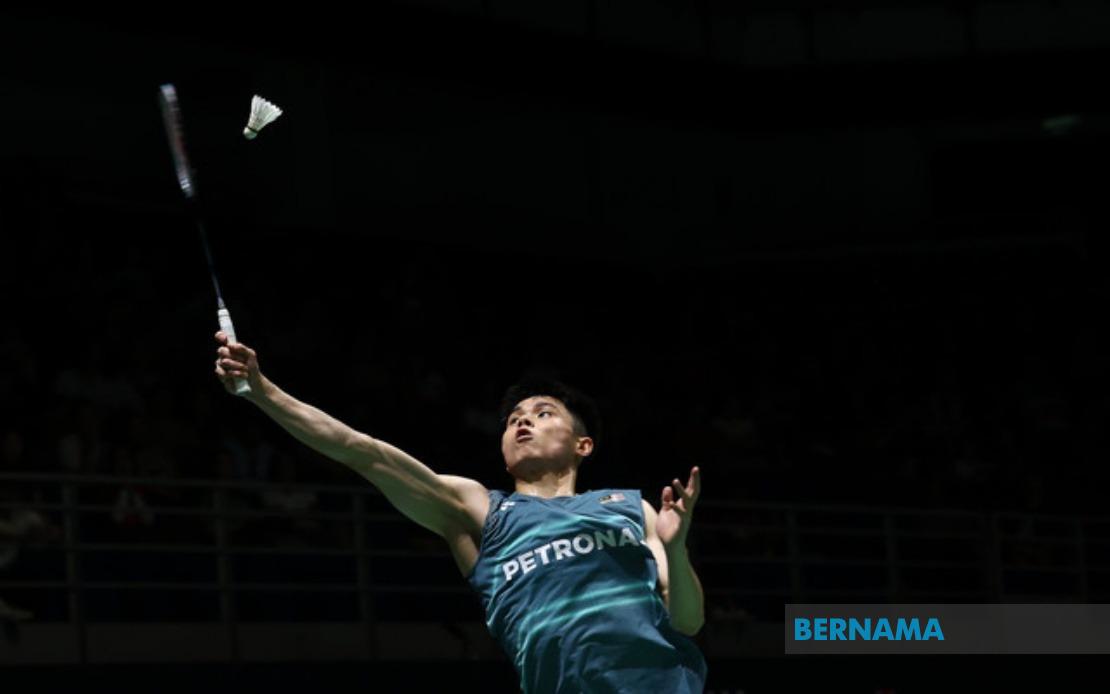
Justin Hoh, Malaysia's 22-year-old men's singles shuttler, is gearing up for what will be a defining moment in his young career. The Kuala Lumpur-born athlete is preparing to make his debut at the 2026 BWF World Championships, scheduled to take place in New Delhi from August 17 to 23. Speaking at the Academy Badminton Malaysia facility earlier this month, Hoh expressed his readiness to navigate whatever circumstances emerge at the tournament venue, signalling a mature and pragmatic approach to competing at badminton's highest level.
The championship represents a crucial milestone for Hoh, arriving at a time when Malaysian men's singles badminton continues to command intense scrutiny from both media and fans. The sport has long held special significance in the national consciousness, with Malaysian audiences maintaining exacting standards for their representatives on the global stage. For a emerging talent like Hoh, the World Championships offers both an opportunity to establish himself internationally and a chance to respond to the persistent questions about the trajectory of Malaysian men's singles play in recent years.
Hoh's approach to the competition reflects a level-headed recognition of the practical realities involved in competing in India. Rather than focusing extensively on speculation about venue conditions or other external factors, he has committed himself to comprehensive preparation that accounts for the known challenges associated with tournaments in that region. This mindset suggests maturity beyond his 22 years, particularly given the additional burden of expectation that typically accompanies Malaysian athletes in badminton competition.
Drawing on his previous exposure to competing in India, Hoh emphasised the importance of self-reliance and thorough planning. Players, he noted, must anticipate potential difficulties and arrive equipped to manage them independently. This includes practical measures such as arranging their own food provisions to safeguard against logistical disruptions during the tournament period. Such candid acknowledgement of these realities reflects a growing awareness within Malaysian sporting circles about the need for athletes and support teams to implement comprehensive contingency planning.
The concerns about facility standards and tournament organisation in India have a recent and documented basis. The India Open badminton tournament held in January faced considerable criticism when multiple sanitation deficiencies emerged at the Indira Gandhi Sports Complex. Photographs and reports highlighted bird droppings on practice courts and the presence of monkeys within the venue grounds, issues that understandably prompted concerns about professional standards and player welfare. These incidents directly informed Hoh's pragmatic stance on preparation, as he recognised that venue conditions at Indian competitions cannot always be assumed to meet international standards.
Yet Hoh has stopped short of pessimism regarding the World Championships venue in New Delhi. He expressed hope that tournament organisers would implement improvements ahead of this prestigious event, acknowledging their reputation and commitment to hosting a major international competition. This balanced perspective—neither dismissing legitimate concerns nor surrendering to negativity—characterises his approach. The distinction between the India Open and an official World Championships event carries both symbolic and practical significance, as the latter typically commands greater resources and international oversight.
Regarding his seeding position and opening-round opponent, Hoh indicated that he is not unduly preoccupied with the draw's composition, even though his ranking could potentially match him against a higher-seeded competitor from the outset. This composed attitude towards immediate competition reflects an understanding that fixating on variables beyond his control would be counterproductive. Instead, he has oriented his focus toward execution and performance management—factors more directly within his influence.
The pressure surrounding Malaysian men's singles players extends beyond the tournament itself. Hoh candidly acknowledged the relentless scrutiny and commentary directed at the national men's contingent, with observers offering both supportive and critical assessments of their performances and prospects. Rather than viewing this attention as merely burdensome, he has reframed it as a source of motivation. This perspective demonstrates emotional intelligence and a capacity to channel external pressure into constructive drive—qualities that will serve him well throughout his career at the elite level.
Hoh has adopted a notably cautious stance regarding outcome expectations for his World Championships debut. While he harbours hopes of capturing a medal should circumstances align favourably, he has explicitly characterised this tournament primarily as a learning experience. This measured approach to goal-setting reflects sound psychology; by avoiding excessive pre-competition pressure on himself, he creates space for genuine development and experience accumulation. Many athletes who advance to senior championship status struggle with the transition precisely because they have not adequately prepared emotionally for the reality of competing amongst the world's best players.
The significance of Hoh's appearance extends beyond his individual performance metrics. His participation contributes to Malaysia's broader badminton presence at the World Championships and reinforces the country's commitment to competitive excellence across multiple player categories. In the context of Southeast Asian badminton, Malaysia's performance at world events carries implications for the region's standing relative to other nations with significant badminton traditions, particularly Indonesia, Thailand, and increasingly, Vietnam.
As Hoh prepares for New Delhi, his journey encapsulates both the promise and the challenges facing the next generation of Malaysian badminton athletes. The combination of realistic preparation, pragmatic problem-solving, and genuine hunger to perform suggests that the young shuttler has the mentality required to navigate international competition successfully. His willingness to learn from the experiences of those who have competed in India previously demonstrates a collaborative approach within Malaysian badminton that bodes well for the future.

