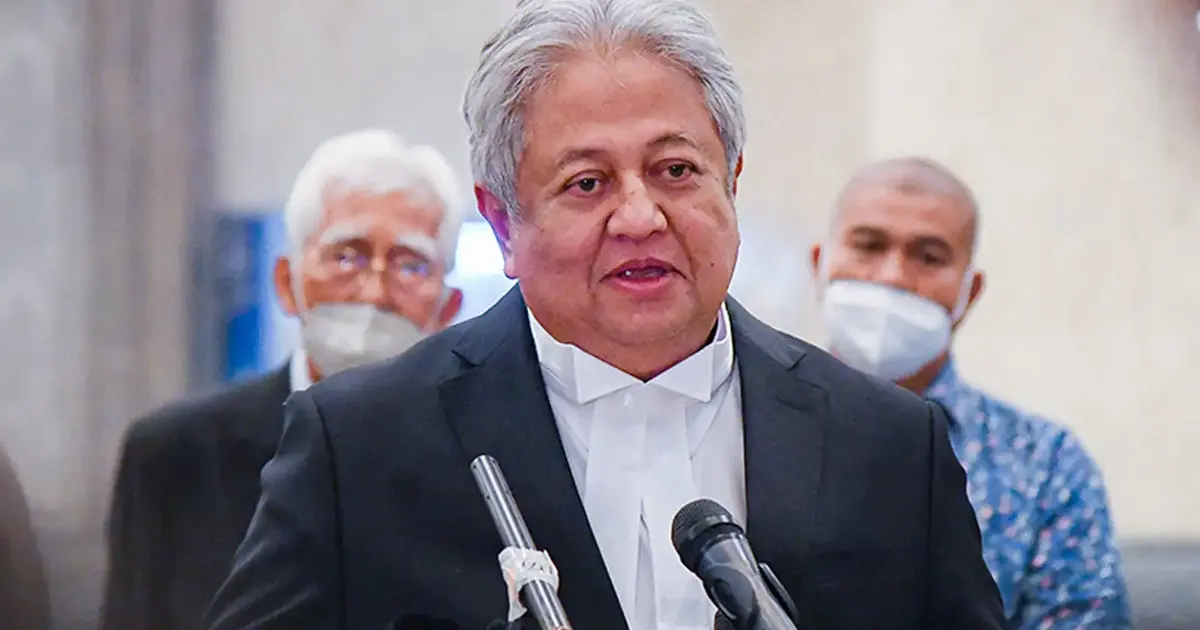
The Court of Appeal has rescheduled the defamation appeal involving veteran politician Zaid Ibrahim and a group of lawyers following the recusal of Justice Latifah Tahar, who has stepped down from the case. A new hearing date will be determined during a case management session fixed for July 13, when a different panel of judges will take over proceedings.
The withdrawal of Justice Latifah Tahar marks a significant procedural development in the long-running dispute, which has centred on defamatory statements made against the lawyers. The specific grounds for her recusal were not immediately disclosed, though it is standard practice in Malaysian courts for judges to withdraw themselves when circumstances might reasonably create an appearance of bias or conflict of interest.
Zaid Ibrahim, a prominent figure in Malaysian politics and former Minister of Law, has been at the centre of this legal battle alongside the group of lawyers. The underlying dispute emerged from assertions that were deemed harmful to the professional reputation and standing of the legal practitioners involved. Such cases carry particular significance within Malaysia's legal community, as they directly impact public confidence in the professions and the individuals concerned.
The reassignment of the matter to a fresh judicial panel reflects the Malaysian court system's commitment to ensuring procedural fairness and maintaining public confidence in judicial impartiality. When judges recuse themselves, it typically signals recognition that proper administration of justice requires a neutral arbiter without any real or perceived conflicts. This safeguard is particularly important in high-profile cases that attract public attention and scrutiny.
Defamation appeals in Malaysia involve complex questions of law regarding the balance between free expression and personal reputation. Courts must weigh whether statements constitute fair comment, protected opinion, or factual assertions that can be tested for truth. The involvement of lawyers as plaintiffs adds another layer, as their professional credibility and ability to practice depend significantly on maintaining unblemished reputations.
The delay occasioned by the judge's recusal will extend the timeline for final resolution of the case. Appellants and respondents alike will benefit from the opportunity to present their arguments before a panel without any potential concerns about prior judicial involvement. This reset provides both parties with renewed assurance that their cases will receive fresh consideration.
Background disputes within the legal profession occasionally escalate to the appellate level, creating precedent that shapes how courts interpret professional conduct standards and reputational harm. Decisions in such matters can influence how similar cases are handled across the Malaysian judiciary, making them consequential beyond the immediate parties involved.
The July 13 case management session will serve administrative purposes, allowing the court to confirm the availability of the new judicial panel, establish a realistic hearing schedule, and address any outstanding procedural matters. Both sides will use this opportunity to finalise submissions and clarify the key legal issues that require judicial determination.
For the legal community in Malaysia, such proceedings underscore the importance of professional responsibility and careful statements regarding colleagues. Defamation claims arising from inter-professional disputes can result in significant costs and reputational consequences, making prevention through measured communication essential.
The replacement of Justice Latifah Tahar with a new panel also raises questions about judicial workload management and scheduling within the Court of Appeal. As Malaysia's appellate courts handle increasingly complex and high-profile cases, the need to manage recusals and reassignments without compromising case progression remains an ongoing administrative challenge.
Zaid Ibrahim's involvement in this appeal is notable given his substantial role in Malaysian legal and political discourse over several decades. His cases often attract attention from observers of both the legal system and political developments, adding public interest dimensions to what might otherwise be routine appellate matters.
As the matter proceeds toward a fresh hearing before a new panel, both parties will have opportunity to present comprehensive arguments on the merits. The ultimate outcome will clarify important principles regarding defamation, professional reputation, and the balance between accountability and expression within Malaysia's legal sphere. The scheduled July 13 session represents a critical juncture in moving the litigation toward final resolution.

