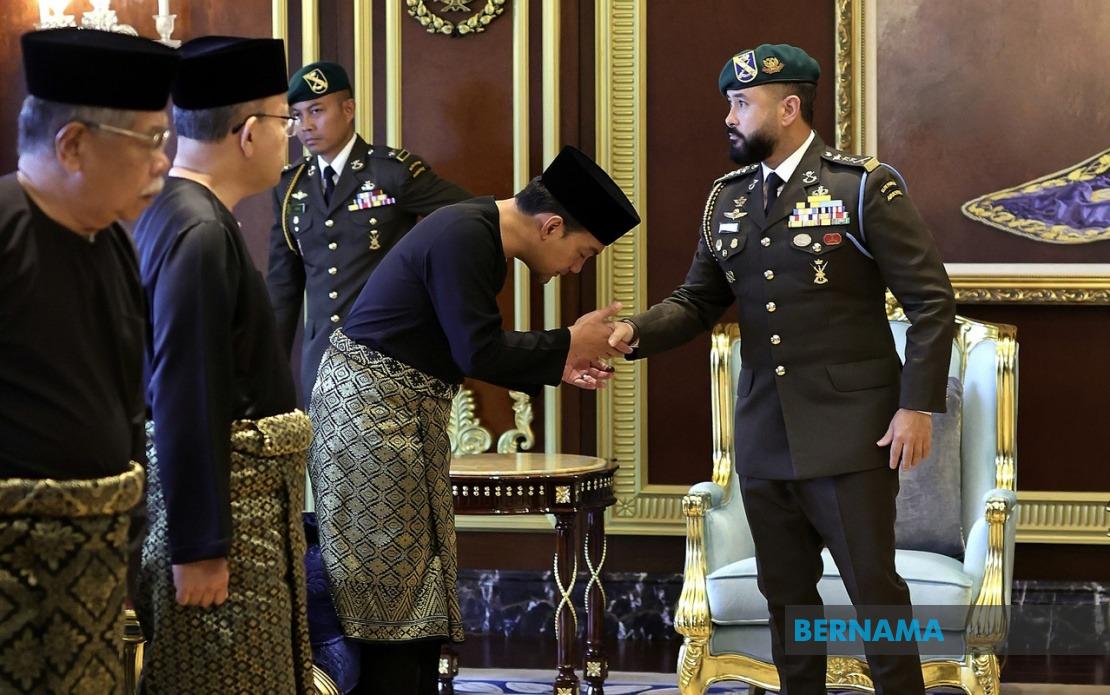
The machinery of Johor's state government moves into its next chapter tomorrow with the formal investiture of the new State Executive Council members at Istana Bukit Serene, the royal palace situated in the heart of Johor Bahru. This ceremonial milestone marks the transition from electoral mandate to operational governance, as the council formally assumes its constitutional responsibilities under the watchful eye of the Regent, Tunku Mahkota Ismail, who will grace the proceedings.
The swearing-in represents the culmination of a remarkable electoral performance by Barisan Nasional in the state poll held earlier this month. The coalition's dominance at the ballot box cannot be understated: winning 48 of the 56 available seats provides not merely a simple majority but a commanding supermajority that speaks to considerable voter confidence in the coalition's vision for Johor's development and governance. This scale of victory affords the incoming administration significant flexibility in implementing its legislative agenda without the complications that hung parliaments or narrow margins typically impose.
Menteri Besar Datuk Onn Hafiz Ghazi, who was individually sworn in just four days ago on July 12, will lead this executive team into their term. His prior swearing-in followed immediately upon Barisan Nasional's election night success, establishing the chief minister's authority to begin transitional briefings and preliminary policy discussions even as the full cabinet structure remained formally incomplete. Tomorrow's ceremony formalises the complete leadership structure beneath him, allowing the council to function as an integrated decision-making body rather than a partial administration.
The guest list assembled for the ceremony reflects the formal state protocols that govern such occasions in Malaysia's constitutional monarchy system. Datuk Dr Abdul Rahim Ramli, who holds the prestigious position of Johor Council of Royal Court president, will be present alongside state secretary Datuk Mohammed Ridha Abd Kadir. These senior officials represent the institutional continuity and administrative expertise that sustains state governance across political transitions. Their participation underscores that whilst elected representatives change, the permanent civil service apparatus remains the consistent backbone of implementation.
Logistical arrangements for media coverage demonstrate the transparency with which the Johor administration approaches such events. Journalists will be granted access from both main entrances of the palace starting at 9.30 am, allowing multiple vantage points for documentation and permitting news organisations to report comprehensively on the proceedings. This openness to media scrutiny reflects contemporary governance practices, where public confidence is built partly through accessible information and documentary evidence of constitutional propriety being observed.
For Malaysian observers beyond Johor's borders, tomorrow's ceremony carries broader implications about the current political trajectory at state level. Barisan Nasional's overwhelming performance in Johor contradicts narratives of inevitable coalition decline that dominated discussion following the 2018 federal election. The coalition's capacity to mobilise voters in Malaysia's most electorally significant state—home to over three million people and carrying substantial economic weight—suggests institutional resilience that sceptics had doubted. State governments controlled by strong coalitions tend to deliver more stable policy environments that investors and businesses value, potentially affecting economic performance across the broader Klang Valley and southern corridor economies.
The timing of this swearing-in also reflects the practical challenges of assembling and briefing a complete state cabinet in the modern era. Four days between the chief minister's personal oath and the full cabinet's formal investiture allows for confidential discussions about portfolio allocation, departmental handovers, and strategic priorities. This interval, though brief by some standards, permits sufficient preparation that the incoming executive council can operate with established lines of authority and understood responsibilities from their first official acts onwards.
From a constitutional perspective, the Regent's presence tomorrow carries symbolic weight beyond ceremonial formality. In Johor's unique system, the Regent exercises constitutional authority during the Sultan's absence, making this not merely a figurehead blessing but an active expression of the monarchy's role in validating the democratic process. The crown's visible association with the newly elected government reinforces the principle that legitimate political authority derives from the constitutional framework that encompasses both democratic elections and hereditary monarchy.
The State Executive Council that takes office tomorrow will inherit a Johor navigating multiple contemporary challenges. Economic diversification remains paramount as traditional sectors face structural headwinds. Infrastructure development demands sustained investment and coordination with federal authorities. Federal-state relations, particularly regarding revenue sharing and development funding allocation, will require diplomatic skill from Menteri Besar Onn Hafiz's administration. These are matters that transcend electoral mandates—they require sustained technical competence and political acumen across an entire executive body working in concert.
Looking forward, the significance of Johor's electoral outcome extends beyond state-level politics into the calculation of federal political possibilities. No Malaysian federal government can ignore a state that delivered such decisive support to one coalition. This political capital may translate into negotiations regarding development funding, infrastructure priorities, or policy alignment between Putrajaya and Johor Bahru. The council members taking oath tomorrow will serve not only as state administrators but as key players in Malaysia's complex federal-state political architecture.

