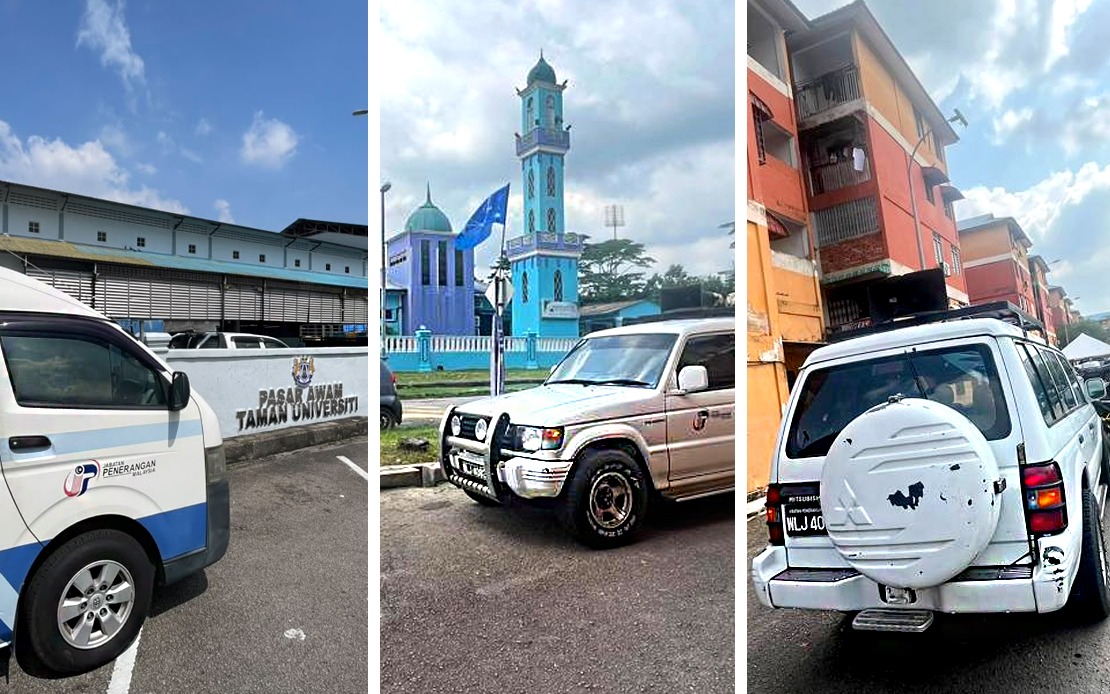
The Johor Department of Information is mounting an aggressive public outreach campaign to drive voter participation in the 16th Johor state election, deploying 26 Info On Wheels mobile units to blanket the state's 10 districts and 56 state constituencies. According to JAPEN director Mohd Rizal Hashim, this ground-based strategy reflects a conscious shift from passive information dissemination toward active community engagement, taking official election messaging directly to voters rather than waiting for citizens to seek it themselves.
The deployment extends across diverse demographic pockets, from high-density urban centres and housing estates to rural villages, Felda settlements, and Orang Asli communities—a geographical spread that underscores the administrative challenge of reaching Malaysia's electorate across disparate terrain and accessibility conditions. This inclusive approach carries particular significance for Johor, a state with significant migrant populations in urban zones and indigenous communities in peripheral areas, where information gaps can lead to lower participation rates among voters who may face practical barriers to voting or lack clarity on their status.
Mohd Rizal emphasised that announcement frequency will intensify dramatically in the final three days before polling, concentrating messaging during peak morning and evening periods when commuting and household routines dominate daily schedules. This tactical timing reflects empirical understanding that late-stage voter mobilisation succeeds by reaching people during moments when they are most receptive—prior to work commutes and during evening gatherings when household decisions about voting logistics occur. The strategy also aligns with research suggesting that final-stage reminders significantly influence turnout decisions among swing voters and those with competing priorities.
Two core objectives guide the information campaign: ensuring that verified Election Commission data—including polling dates, constituency information, and voter status verification procedures—reaches the broadest possible audience, and simultaneously countering the misinformation that routinely circulates during election periods. Johor's experience, like that of other Malaysian states, indicates that false claims about voting locations, eligibility requirements, and candidate credentials can dampen participation among voters uncertain of facts, making official counter-messaging essential.
Parallel to logistical voter information, JAPEN personnel are conducting direct advocacy sessions aimed at combating disinformation and inflammatory content that tends to proliferate on social media platforms during election campaigns. This face-to-face dimension addresses a critical vulnerability in modern elections: the speed and persuasiveness of unverified claims on messaging apps and social platforms often outpace official corrections. By deploying trained personnel into communities, the department attempts to build local credibility and provide immediate fact-checking that residents recognise as authentic.
Mohd Rizal framed voting not primarily as a civic right but rather as a civic responsibility—a conceptual reframing with practical implications. This emphasis addresses a cultural and behavioural issue common across Malaysia: significant proportions of eligible voters, particularly younger demographics, view elections as optional rather than mandatory civic participation. Reframing voting as responsibility rather than privilege carries psychological weight, particularly when delivered locally by government representatives.
The campaign message extends beyond mere procedural turnout, positioning the election as the mechanism through which Johor residents collectively determine their state's economic trajectory, development priorities, and welfare frameworks for the next five-year term. This broader framing attempts to elevate voter motivation beyond partisan loyalty, appealing instead to instrumental self-interest—the notion that voting shapes which policies and priorities influence daily lives. For Malaysian readers, this pitch carries particular salience given ongoing concerns about state-level service delivery, infrastructure development, and cost-of-living pressures.
The director's explicit warnings about social media disinformation reflect the contemporary electoral environment across Southeast Asia, where platform-mediated communication has become central to campaign dynamics and information flows. Unlike previous election cycles where misinformation circulated primarily through interpersonal networks and traditional media, current campaigns must contend with algorithmically-amplified false claims reaching millions instantaneously. Johor's approach acknowledges this reality by combining traditional mobile information units with explicit public education about digital literacy and source verification.
Voters were explicitly encouraged to plan their travel logistics and confirm their registration status well before polling day, addressing practical participation barriers that disproportionately affect working Malaysians juggling employment demands, family responsibilities, and civic participation. The advice reflects recognition that turnout is heavily shaped by logistical friction—voters who must navigate unclear procedures, uncertain venue locations, or transportation complications are substantially more likely to defer or abandon voting intentions. By emphasising advance planning, the campaign attempts to minimise such friction.
The Johor information campaign exemplifies the contemporary challenge facing electoral administrators across Malaysia: balancing official information delivery with the need to combat rapidly-spreading misinformation while simultaneously addressing structural barriers to participation. The deployment of 26 mobile units represents significant resource commitment, yet reflects understanding that in an environment of competing messages and digital noise, presence and repetition matter. For Malaysian observers tracking electoral dynamics across states, Johor's initiative suggests increasing sophistication in state-level voter mobilisation and information management strategies.

