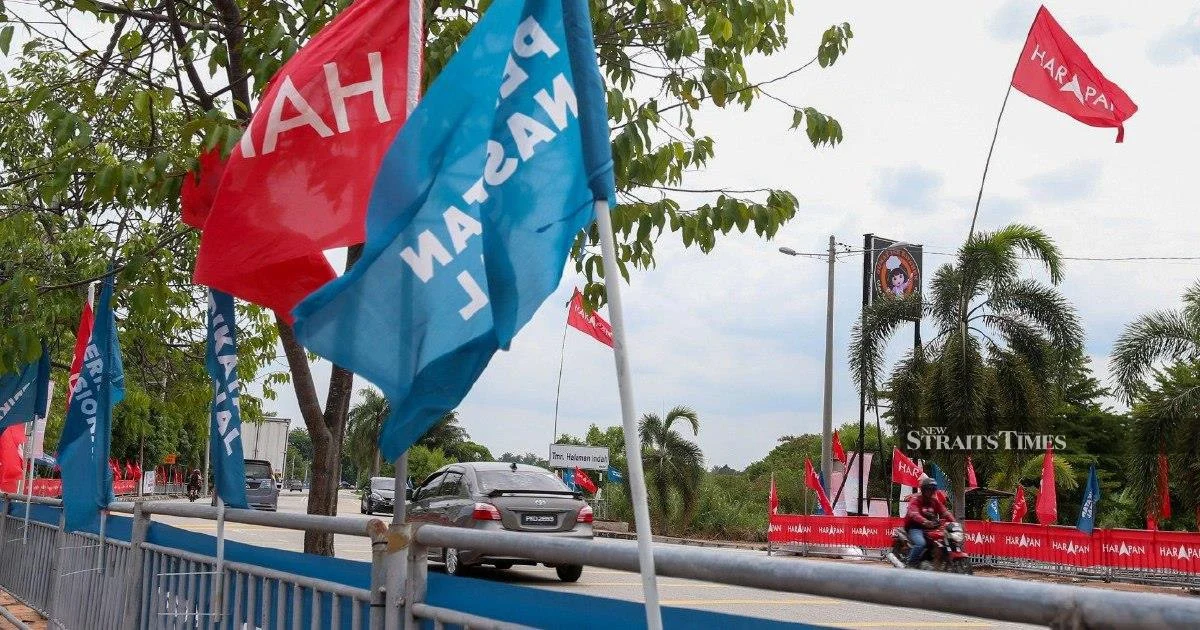
The 16th Johor state election formally commenced today with nomination day, marking the official start of the campaign period across all 56 state constituencies. This pivotal moment sets the stage for what is anticipated to be a keenly contested battle between political parties vying for control of Malaysia's second-largest state by population.
Nomination day serves as the critical juncture when prospective candidates must formally declare their candidacy and submit the necessary documentation to returning officers. The exercise unfolds across all constituencies simultaneously, creating a flurry of political activity as parties mobilise their machinery to ensure their chosen representatives complete the registration process within designated timeframes. This simultaneous filing across the state provides a snapshot of each party's organisational strength and readiness for the electoral contest.
Johor remains one of Malaysia's most strategically important states, home to over 4 million people and a crucial electoral battleground. Control of the state assembly carries significant implications not only for state governance but also for national political dynamics, as Johor's voting patterns often foreshadow broader trends in Malaysian politics. The state's diverse constituencies encompass urban centres, industrial zones, and rural areas, each presenting distinct campaign challenges and voter priorities.
The nomination process itself demands careful coordination from political parties. Each contender must meet strict eligibility criteria, including citizenship requirements and residency qualifications. Campaign teams work behind the scenes weeks in advance, vetting candidates for viability and ensuring all paperwork is meticulously prepared to avoid disqualification on technical grounds. The complexity of managing nominations across 56 constituencies simultaneously underscores the enormous organisational effort required from major political coalitions.
For Malaysia's broader political landscape, Johor's election carries substantial weight. The state has traditionally been a stronghold of dominant political coalitions, though recent years have witnessed shifting allegiances and emerging competitive dynamics. Malaysian political analysts view Johor elections as litmus tests for national sentiment, with results often interpreted as indicators of public mood toward the federal government and opposition alliances. A significant swing in the state could reverberate through national politics for years to come.
The economic dimension of Johor cannot be overlooked in understanding the election's significance. As a state with substantial manufacturing, petrochemical, and port industries, Johor's governance directly impacts business confidence and economic performance across the southern region. Candidates are expected to articulate development visions that address employment generation, infrastructure improvements, and industrial competitiveness. Voters typically evaluate candidates partly on their perceived capacity to deliver economic benefits to constituencies.
Nomination day also reveals party configurations and alliance structures. The number of candidates fielded, seat allocations between coalition partners, and the profile of selected contenders provide early indicators of strategic priorities and party strength in different regions. Observers analyse which parties contest all available seats, contested constituencies, and areas where parties voluntarily relinquish seats to allies—all of which illuminate the health and cohesion of political alliances heading into the campaign proper.
For political campaigns, the period beginning with nomination day typically lasts until polling day, during which candidates traverse constituencies, engage with voters, and articulate policy platforms. Campaign intensity in Johor tends to be notably high given the state's political importance and competitive nature. Campaign trails intersect through residential areas, town halls, shopping centres, and community events where candidates attempt to build rapport with constituents and address local grievances.
The electoral commission's role in administering nomination day is pivotal to ensuring procedural fairness and integrity. Returning officers stationed across constituencies must verify candidate eligibility, confirm that all required documents are submitted correctly, and address any last-minute technical issues. The professionalism with which nomination day is conducted sets the tone for the credibility of the entire electoral process and public confidence in the fairness of the competition.
For Southeast Asian observers, Johor elections exemplify Malaysia's multi-ethnic democracy in action, with constituencies featuring varied demographic compositions requiring candidates to appeal across communal lines. The ability of parties to field candidates who resonate with diverse voter bases becomes apparent through nomination outcomes. Political scientists often examine candidate diversity—including gender representation and ethnic composition—to assess how progressive major parties have become in their candidate selection strategies.
As nomination day concludes, attention immediately shifts to campaign momentum. Early indicators include media coverage patterns, candidate visibility levels, and grassroots engagement intensity. The weeks ahead will determine whether established parties consolidate support or whether challengers can capitalise on voter discontent. For Malaysia's political ecosystem, the next phase of Johor's electoral journey promises to be consequential.

