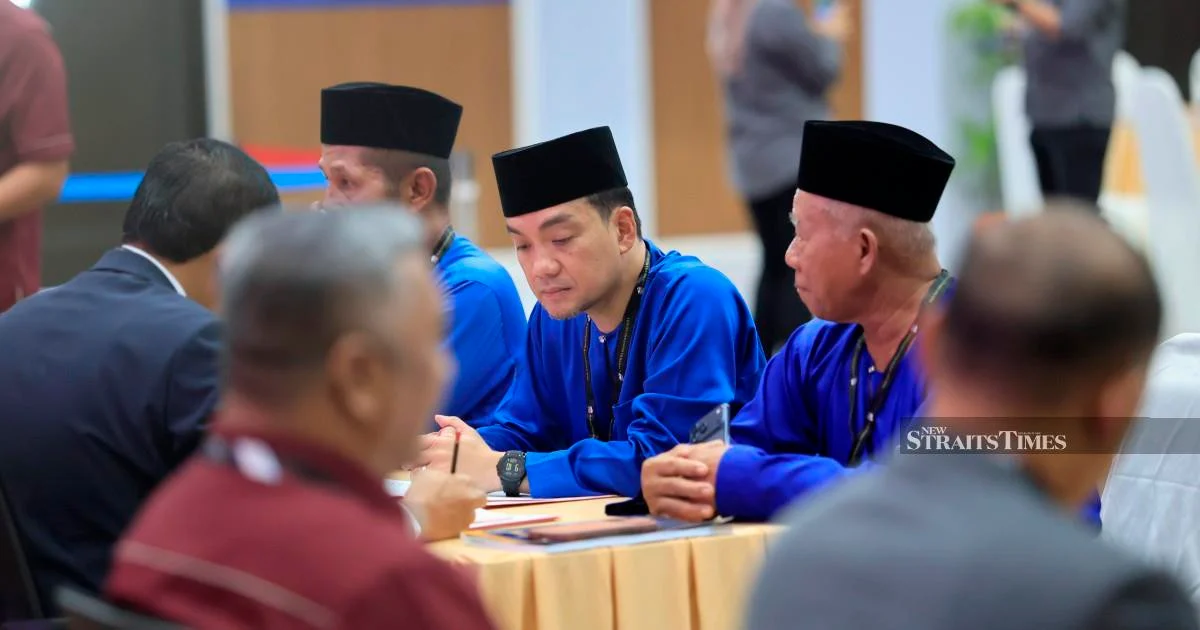
The nomination period for Johor's 16th state election formally ended this morning when the final nomination centre closed its doors at 10am, bringing to a close a crucial phase in the electoral process that will determine the political landscape of Malaysia's southernmost state. The statewide closure of all 56 nomination centres marks the conclusion of a nomination period that had proceeded across constituencies throughout the state, with each centre having processed candidate registrations according to the official election schedule.
This closure represents a pivotal transition point in Johor's electoral cycle, moving the process beyond the candidate registration phase and into subsequent stages that will ultimately lead to polling day. The successful operation of 56 nomination centres across the state underscores the logistical complexity of conducting state-level elections in Johor, which remains one of Malaysia's largest states by both geography and population. The nomination phase allows political parties and independent candidates to formally register their contenders for the assembly seats up for grabs in this election cycle.
The completion of nominations today sets the stage for the election commission to verify candidate qualifications, review nomination documents, and prepare for the announcement of the final candidate list. This verification process is critical as it ensures all candidates meet constitutional and legal requirements to contest, including citizenship, age, residency, and other statutory criteria. Any objections to nominations or issues identified during this scrutiny must be resolved before candidates can be deemed officially nominated and able to proceed to the campaign phase.
For political parties contesting the Johor election, the closure of nomination centres concludes a period of intense internal deliberation over candidate selection and strategic seat allocation. Parties must have finalized their decisions and submitted candidates across constituencies they intended to contest, with this morning's deadline serving as a hard stop for any last-minute registrations. The decisions made during this nomination period reflect each party's assessment of their electoral prospects and resource allocation across the state's electoral battlegrounds.
Johor holds significant weight in Malaysia's political calculation, given the state's substantial number of assembly seats and its status as a political stronghold with a large, diverse electorate. The 16th state election will provide important signals about voter sentiment in the region and may influence political dynamics at the national level. The completion of nominations indicates that the state is now firmly on track for a fully contested election across multiple constituencies, with voters preparing to exercise their franchise once the election is formally called and campaigning commences.
The nomination closure also marks the beginning of heightened scrutiny by the media, civil society, and political analysts who will now examine the full slate of candidates from various parties. This assessment will focus on candidate profiles, experience, background, and potential appeal to voters in their respective constituencies. Independent candidates who successfully nominated themselves will also come under public examination as they prepare to campaign without the organizational backing of political parties.
The election commission will now shift focus to its administrative functions, including compiling verified candidate lists, allocating campaign resources according to electoral regulations, and preparing for the official campaign period. During this interim period between nomination closure and the campaign launch, parties typically refine their strategies based on final candidate configurations and begin mobilizing grassroots support in their respective areas. The two-week period between nomination closure and potential polling day remains fluid, with the exact election date subject to formal announcement by the relevant authorities.
For Johor's electorate, particularly voters who have followed pre-election developments, the nomination closure signals the transition toward active campaigning where candidates will directly appeal for voter support. The state's diverse demographic composition—spanning urban centres like Johor Baru, industrial zones, and rural constituencies—means candidates will need to craft messaging that resonates with different community interests and priorities. Economic issues, infrastructure development, and social concerns are likely to feature prominently in forthcoming campaign discourse.
The successful completion of nominations across all 56 centres also reflects the logistical capabilities of Johor's electoral machinery and the cooperation of various government and party entities in facilitating the process. The administration of nominations at multiple simultaneous centres requires coordination, training, and oversight to ensure consistency and fairness. The seamless closure of all centres at the designated time demonstrates the readiness of the electoral system to proceed to the next phases without significant disruptions or irregularities that might complicate the election timeline.

