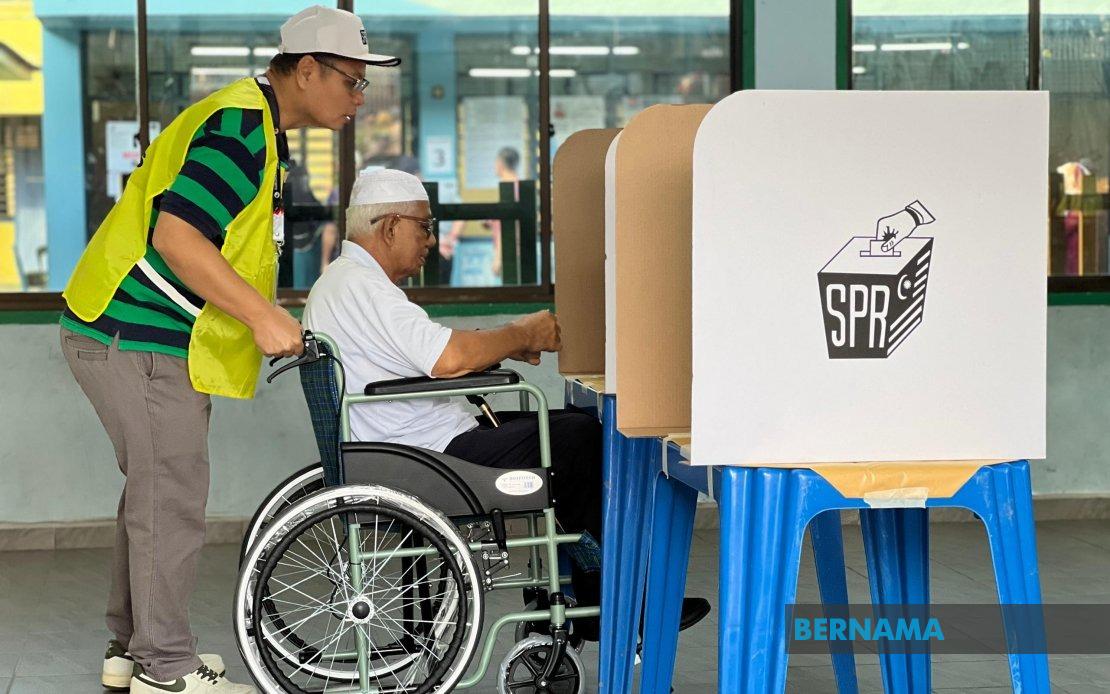
Johor embarked on a decisive electoral day on July 11 as all 1,076 polling centres across the state commenced operations at 8am sharp, mobilizing 4,889 polling streams to facilitate voting for the 16th state assembly election. The exercise represents a significant democratic exercise for Malaysia's southernmost state, drawing 2.7 million registered voters to the ballot box in what observers view as a crucial mid-term test of voter sentiment and political allegiances in the region.
The voting day marked the culmination of a robust 14-day campaigning period that concluded at midnight the previous evening, during which political parties and independent candidates mounted intensive efforts to secure voter support. With the polling sites now operational, voters had until 6pm to cast their ballots, though certain polling centres serving constituencies with smaller voter populations were scheduled to close progressively from as early as 11am onwards, reflecting logistical efficiency measures built into the Electoral Commission's planning.
The contest features notable electoral complexity, with 172 candidates competing across 56 State Legislative Assembly seats distributed in varied contest configurations. The race includes 12 four-cornered battles where four candidates vie for a single seat, 27 three-cornered contests involving three candidates, and 14 straight fights between two contenders. This diversity of contest types underscores the fragmented political landscape in Johor and suggests voters would face meaningful choices across different demographic and geographic constituencies.
The Electoral Commission set an ambitious target for voter participation, aiming for approximately 70 per cent turnout—a threshold that would indicate robust civic engagement and legitimacy for the eventual outcome. Commission officials anticipated announcing comprehensive results as early as 10pm on election day, pending the completion of vote counting procedures across all polling centres and any necessary recounts or verifications that might extend the timeline.
On the ground, comprehensive security measures were visibly in place throughout polling sites visited by Bernama reporters, with uniformed personnel strategically positioned to maintain order and safeguard the integrity of the voting process. The presence of security personnel reflected standard operating procedures designed to prevent disruptions and ensure that voters could exercise their franchise without intimidation or interference from any quarter. These arrangements underscored the Electoral Commission's commitment to conducting a credible election that commanded public confidence.
Media coverage of the election unfolded energetically, with journalists and camera crews arriving at polling stations as dawn broke, positioning themselves to capture real-time footage and gather ground-level reporting throughout the day. The early presence of media personnel indicated substantial media interest in the outcome, reflecting both the state's significance within Malaysia's broader political architecture and the potential implications of the result for national politics and future coalition arrangements.
Weather conditions favoured voting operations across most of Johor, with clear skies prevailing throughout the morning hours and enabling smooth voter flow at most locations. However, voters in Muar experienced rainfall during the morning period, which organisers assessed as unlikely to significantly dampen turnout given the extended polling hours and voter determination to participate. The meteorological conditions thus presented a minor complication rather than a substantial obstacle to electoral administration.
The 2.7 million registered voters participating in this election represent a substantial cross-section of Johor's population, encompassing urban professionals in Johor Bahru and other major towns, rural farmers and small-scale traders, manufacturing workers, and retirees across the state's geographic expanse. The demographic composition of the electorate suggested that voting patterns would likely reflect diverse economic interests and social concerns ranging from urban development and infrastructure to agricultural support and rural connectivity.
For Malaysian observers, the Johor election carries implications extending beyond state boundaries, as the results may influence calculations regarding federal coalition mathematics and the viability of governing arrangements at the national level. Johor has historically functioned as a significant political bellwether within Malaysia, and shifts in voter preference in the state often presage broader movements in national sentiment. The outcome could therefore provide valuable insights into public satisfaction with incumbent administrations and the receptiveness of voters to alternative political options.
The election itself represents the continuation of Malaysia's commitment to regular electoral cycles and democratic renewal at the state level, demonstrating the institutional robustness of the country's federal system. Despite periodic controversies surrounding electoral processes and campaign conduct, the Malaysian electoral machinery continues to mobilize resources and personnel to conduct polls across multiple jurisdictions, reflecting institutional capacity and procedural consistency that observers in the region regard as comparatively well-established. The successful opening of all 1,076 polling centres according to schedule underscored the operational effectiveness of the Electoral Commission's preparations.

