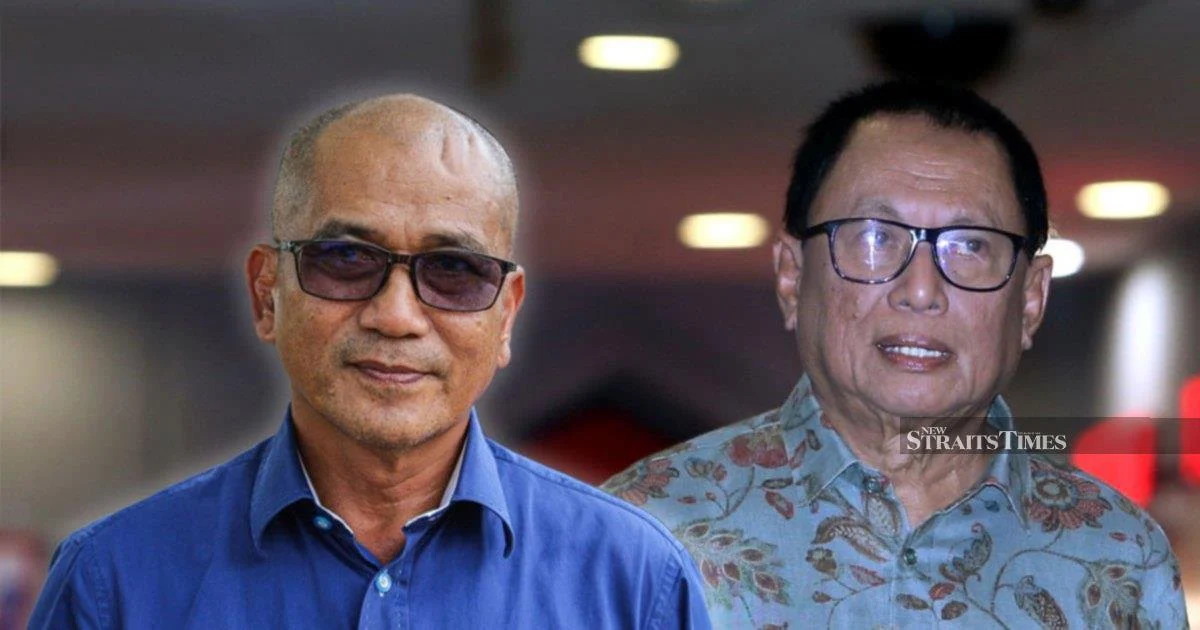
The Johor chapter of the United Malays National Organisation has mounted a vigorous defence against assertions made by Datuk Dr Mohd Puad Zarkashi, who previously served as speaker of the Johor state legislative assembly, over circumstances surrounding the dissolution of the state assembly that took place on June 1. Party stalwarts in the southern state have categorically refuted the former official's allegations, treating them as damaging accusations worthy of legal consideration.
The timing of these disputes carries significance for Johor's political stability and the coalition arrangements that govern Malaysia's most economically developed state. The Johor state assembly dissolution in early June represented a major constitutional event, triggering fresh elections that reshaped the political composition of the legislature. Understanding the backdrop to this institutional development requires examining the power dynamics within Umno at the state level and the broader implications for federal coalition politics.
As speaker, Puad Zarkashi held one of the state assembly's most consequential positions, responsible for maintaining order, upholding parliamentary conventions, and ensuring the machinery of legislative business proceeded smoothly. His departure from this role and subsequent public statements suggest underlying tensions within Johor's political establishment that merit closer scrutiny. The nature of his specific allegations remains central to interpreting whether these represent genuine governance concerns or manifestations of personal or factional disputes.
Umno's response strategy has focused on categorical denial rather than detailed engagement with individual accusations. This approach signals confidence in their political position while simultaneously suggesting reluctance to legitimise the claims through extensive rebuttal. Such defensive posturing is common when senior party figures believe allegations lack substantive foundation or fear that detailed responses might amplify unwanted publicity.
The dissolution of state assemblies represents a constitutionally significant decision point in Malaysian politics. When undertaken prematurely, such moves can destabilise governance, exhaust state resources through costly campaigns, and test public patience. Conversely, timely dissolutions can refresh mandates and provide elected representatives with renewed legitimacy. Scrutiny of the motivations behind any assembly dissolution is therefore legitimate democratic discourse, yet the manner in which such scrutiny is conducted matters substantially.
For Malaysian observers, the Johor situation exemplifies recurring tensions within dominant political coalitions. When powerful states like Johor experience internal strains, reverberations often extend to federal level politics. Umno remains the dominant force within the Barisan Nasional coalition at both state and national levels, making the stability of its Johor operations consequential for broader political equilibrium. Any perception of internal discord or governance irregularities risks damaging the coalition's credibility with voters.
The characterisation of Puad Zarkashi's statements as grave slander indicates Johor Umno's assessment that his allegations carry serious reputational implications. In Malaysian legal and political contexts, claims of slander require careful navigation, as they intersect constitutional protections for parliamentary speech with defamation law. Former office holders occupy a nuanced position, retaining some parliamentary immunities while potentially facing liability for statements made outside official contexts.
This episode also reflects broader patterns within Malaysian political parties regarding the management of departing senior figures. Individuals who occupied prominent positions often possess detailed knowledge of internal decision-making processes and can prove troublesome critics if their departures involve contested circumstances. How parties handle such situations reveals much about their internal cohesion and commitment to accountability versus maintaining unified external messaging.
The substantial silence around specific details of the allegations in public reporting suggests either legal constraints on disclosure or deliberate strategy to avoid amplifying controversial claims. This information vacuum itself becomes politically significant, as it leaves space for speculation and reduces opportunities for voters to assess arguments on their merits. Transparency about governance decisions, particularly those affecting constitutional institutions, generally strengthens rather than weakens democratic legitimacy.
Regional dynamics add further complexity to Johor's political situation. As the wealthiest and most populous state, Johor's governance arrangements carry implications for Southeast Asia's broader economic and political trajectory. International observers increasingly scrutinise Malaysian state politics for indicators regarding democratic resilience and institutional health. Allegations of improper conduct in major state governance therefore potentially carry consequences extending beyond domestic political circles.
Looking forward, resolution of these disputes will likely depend on whether Puad Zarkashi pursues formal legal remedies or allows the matter to fade from public attention. Johor Umno's robust rejection suggests confidence they can sustain their narrative of events, at least within their political base. However, the persistence of such allegations indicates underlying concerns among some political actors that may resurface during future electoral cycles or factional disputes.
Ultimately, the Johor situation underscores enduring challenges within Malaysian politics regarding the balance between protecting institutional integrity and managing internal party conflicts. As state assemblies remain crucial sites where voters assess governance competence, the circumstances surrounding any assembly dissolution warrant legitimate public examination. Whether Puad Zarkashi's specific allegations meet evidentiary standards or whether Umno's denials withstand scrutiny remains to be determined through normal political and legal processes.

