The 16th Johor state election entered its formal phase on June 27 as candidates filed nominations at 56 centres throughout the state, with the process completing without reported disturbances or security concerns. The smooth conduct reflected substantial preparation by state authorities, who mobilised significant resources to guarantee the electoral process remained orderly and accessible to all eligible contenders seeking to contest the 56 state assembly seats.
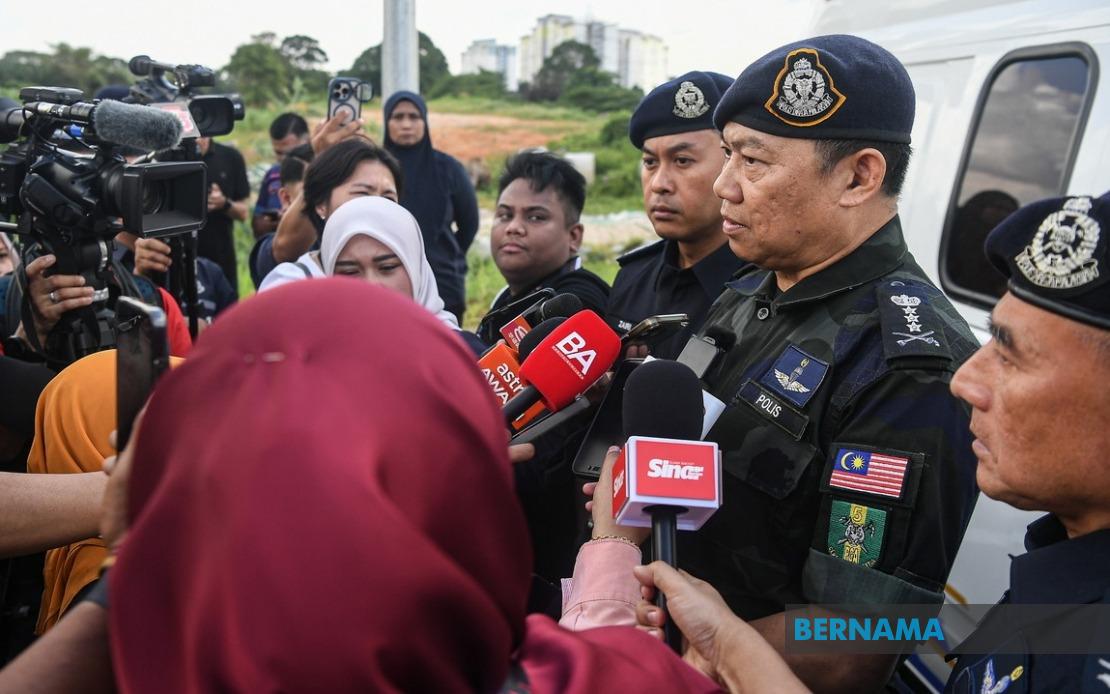
Johor police chief Datuk Ab Rahaman Arsad reported that his force had received no complaints or alerts regarding disruptive conduct during the day's proceedings. The absence of incidents underscored the generally peaceful political environment, though it also reflected the considerable security footprint established to prevent any potential flashpoints. The nomination phase represents a critical juncture in any election cycle, as it sets the tone for the broader campaign period and determines which candidates will ultimately appear on the ballot.
To maintain order and preparedness, law enforcement deployed 4,832 police officers and personnel across the state's nomination centres. This substantial mobilisation ensured visible security presence at each venue while providing the capacity to respond swiftly to any emergencies or violations of electoral regulations. The deployment strategy reflected lessons learned from previous electoral exercises and demonstrated the police force's commitment to facilitating democratic processes while protecting public safety.
Beyond nomination day itself, authorities have begun processing campaign permits, with 26 approvals granted to political parties and candidates so far. Election Commission officials anticipated additional permits would be issued as political organisations formally launched their campaign machinery in the coming weeks. The permit system serves as a regulatory tool enabling authorities to track campaign activities and ensure they remain within prescribed boundaries regarding timing, location, and conduct.
Datuk Ab Rahaman used the opportunity to address all contesting parties and candidates directly, emphasising that election officials and police expected campaigns to proceed responsibly and in compliance with established electoral laws. The reminder carried particular weight given Malaysia's historical experience with occasional campaign-related tensions, and it signalled zero tolerance for any conduct threatening public order, intimidation, or violations of campaign finance regulations. Such warnings serve both as deterrents and as clarity regarding the legal framework within which political competition must occur.
The police chief specifically cautioned against actions that could destabilise the electoral environment or incite unrest. While his remarks reflected standard protocols rather than responses to specific identified threats, they underscored official vigilance throughout the nomination and campaign phases. Law enforcement indicated comprehensive readiness to deploy resources rapidly should any situation develop requiring intervention, from minor permit violations to more serious public order concerns.
The Election Commission has structured the final stages of the election calendar with early voting scheduled for July 7, providing flexibility for voters unable to cast ballots on the principal polling day. This arrangement accommodates essential workers, individuals with mobility constraints, and overseas Malaysians unable to return on July 11. The compressed timeline between nominations and polling day—approximately two weeks—is relatively brief by electoral standards, reflecting the commission's intention to maintain election momentum and capitalise on voter interest.
July 11 has been established as polling day, when all registered voters in Johor will determine the state's legislative composition for the next term. The date creates a defined campaign period during which candidates and parties can conduct their outreach activities, organise rallies within permit parameters, and attempt to persuade voters. This structured approach provides clarity for all stakeholders regarding the timeframe for political activity and news coverage of electoral contests.
From a broader Malaysian perspective, the Johor election carries significance beyond the state itself. As the nation's southernmost major state and home to economically crucial industrial and port infrastructure, Johor's electoral outcome influences broader political dynamics within Peninsular Malaysia. The state's governance directly affects investor confidence and economic performance in a region vital to the country's manufacturing and logistics sectors. Additionally, Johor's election results historically have resonance across the federation, sometimes prefiguring national political trends or consolidating existing alignments.
The smooth nomination process and evident organisational capacity demonstrated by electoral and law enforcement authorities suggest that subsequent phases of the election will likely proceed with similar professionalism. However, the campaign period itself will test whether the peaceful environment established on nomination day can be maintained across two weeks of intensive political activity. The calibre of security and administrative arrangements evident on June 27 indicates that officials are positioned to manage the campaign period effectively and deliver a credible electoral exercise that affirms democratic participation.
For Malaysian observers and international election monitors, the Johor exercise provides insight into the operational capacity and commitment to electoral integrity that characterise contemporary Malaysian elections. The state's ability to conduct complex multi-site nomination procedures without incident, despite the political salience of state elections and occasional tensions within Malaysian politics, reflects institutional maturity. As polling day approaches, the focus will shift to campaign conduct and voter behaviour, but the foundation established through orderly nominations suggests the 16th Johor state election will progress as a legitimate democratic exercise.

