The 16th Johor State Election proved more than just a civic milestone—it became an unexpected commercial opportunity for the state's maritime transport operators and food service vendors, who capitalised on the surge in voter movement across Johor. While the election allowed residents to choose their state leadership, the ripple effects extended into the pockets of small business owners who found themselves strategically positioned to serve the electorate's logistical needs.
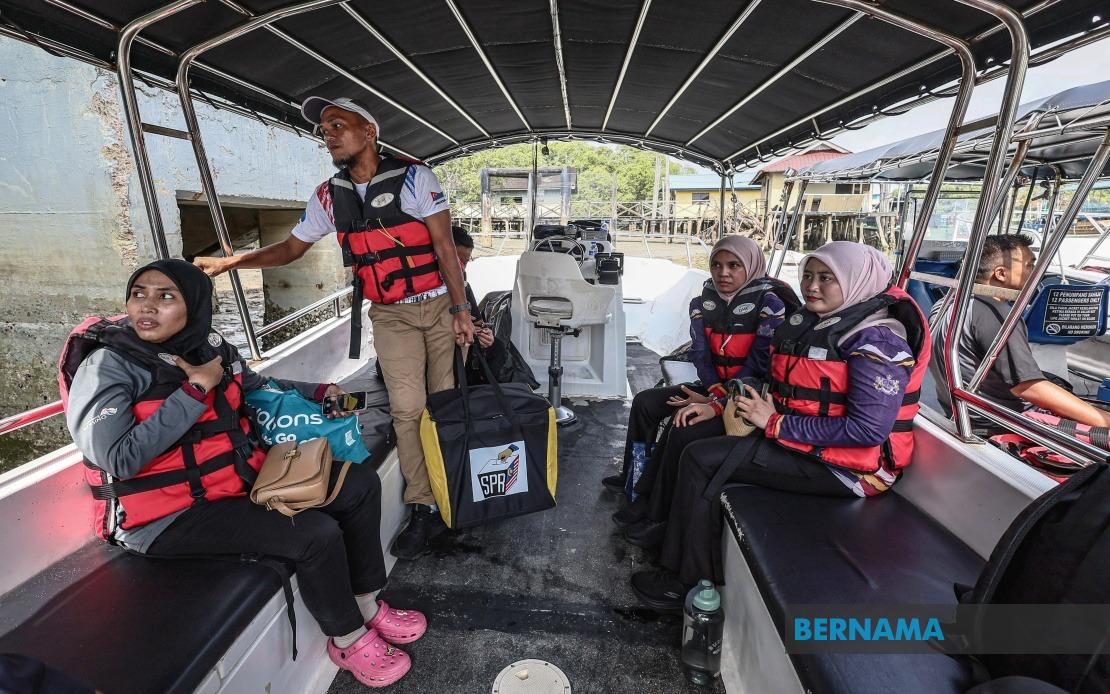
Island Eagle Boat Services & Island Hopping, operated by 35-year-old Mustakim Shafie, experienced a particularly busy polling day as the company juggled dual responsibilities. Beyond ferrying election commission personnel and their equipment to offshore voting locations, the boat operator transported nearly 50 voters heading to islands to cast their ballots. Mustakim observed that his company's daily bookings doubled from their typical levels, a significant uplift that reflected the heightened demand for maritime services during the electoral process. The entrepreneur, who manages a fleet of six speedboats, explained that standard charter arrangements ranged from RM4,000 to RM4,500 for extended weekend packages, whilst single-journey trips accommodating up to 18 passengers were priced around RM2,500.
The maritime transport sector's role during elections underscores a unique dimension of Johor's geography. With multiple island constituencies requiring voters to undertake considerable water crossings, boat operators become essential infrastructure during polling periods. However, this increased business comes with substantial operational risks. Mustakim highlighted weather volatility and unpredictable sea conditions as persistent challenges that could disrupt passenger safety and compromise electoral logistics. These environmental factors demand careful planning and expertise, transforming routine commercial operations into complex logistical exercises where delays or cancellations have political consequences.
Experienced maritime professionals bring valuable institutional knowledge to these operations. Hasrul Azmin Jumaat, a 39-year-old veteran operator with more than two decades navigating Johor's waters, exemplifies the expertise required. His extensive familiarity with regional maritime conditions proved essential when transporting voters on extended journeys, including the demanding two-hour, 76-kilometre passage to Pulau Aur. Such routes demand precise navigation skills and intimate knowledge of seasonal patterns, making experienced operators invaluable to the electoral process.
On land, food vendors positioned themselves strategically to capture customer traffic generated by the election. Ismail Mad Hasim and his wife Faradila Fairuz Mohd Affandi, a husband-and-wife partnership aged 55 and 45 respectively, operated a food stall adjacent to Sekolah Kebangsaan Taman Sutera, a designated polling location. Their timing proved fortuitous as early-morning voters who had cast their ballots became a captive customer base before continuing their day. Business commenced as early as 8 am, with customers queuing consistently throughout the voting period. The couple reported that their experience during the previous General Election had provided valuable preparation for managing the expected surge in demand.
Despite the commercial success, these entrepreneurs maintained their commitment to democratic participation. Both Ismail and Faradila planned to vote at the same polling centre where their stall operated, demonstrating how small business owners balance profit opportunities with civic responsibilities. Their willingness to temporarily close their operation to fulfil voting duties highlights the broader tension between commercial activity and election day formalities that Malaysians navigate during polling periods.
The election mobilised more than 2.6 million registered voters across Johor, creating a substantial economic stimulus for businesses positioned to serve this mobile population. This phenomenon reflects broader patterns in Malaysian electoral cycles, where transportation, food service, and accommodation providers experience measurable revenue spikes during major voting events. For communities in geographically dispersed or island constituencies, this economic benefit may represent a meaningful income boost during specific periods.
From a macroeconomic perspective, the election-driven demand demonstrates how democratic processes create legitimate business opportunities within service sectors. Rather than viewing elections purely through a political lens, understanding their commercial dimensions provides insight into how electoral participation generates multiplier effects through the broader economy. Boat operators, food vendors, and accommodation providers become beneficiaries of increased consumer spending driven by the logistical requirements of voting.
The experiences of these small business operators also illuminate broader challenges facing Malaysia's maritime and hospitality sectors. Weather-dependent industries like boat transport face structural vulnerabilities that become amplified during periods of heightened demand, when cancellations or delays carry not just financial but democratic implications. Food vendors, meanwhile, operate with tight margins and irregular customer flows, making election days represent rare opportunities for concentrated revenue generation.
Looking forward, the commercial dimensions of electoral processes merit greater attention from policymakers. Recognising the economic stimulus that elections generate for small businesses could inform planning around voting logistics and campaign schedules. Furthermore, ensuring that maritime operators possess adequate insurance and safety protocols protects both voter welfare and business interests during polling periods. The intersection of democratic participation and economic opportunity, evident in Johor's recent election, illustrates how Malaysia's electoral system creates value for constituencies far beyond political outcomes.

