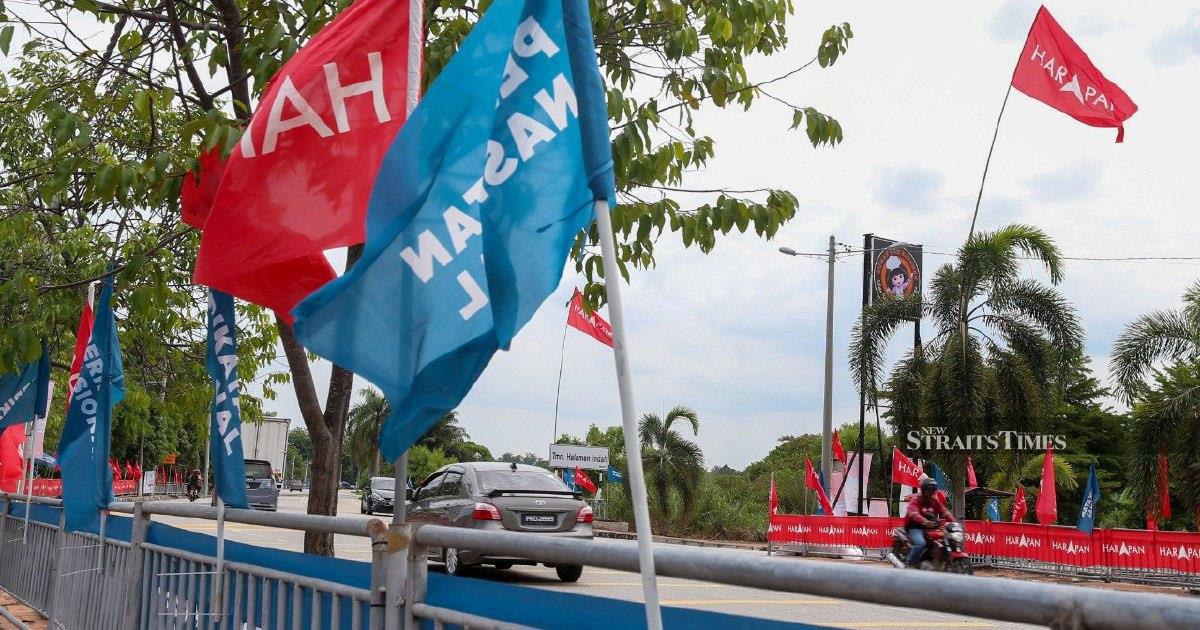
The 16th Johor state election officially entered its campaign phase today as nomination day proceedings began simultaneously across all 56 state constituencies, marking the formal start of what promises to be a competitive electoral contest in one of Malaysia's largest states by population and economic significance.
With candidates from multiple political parties filing their nomination papers across the sprawling constituencies, the election machinery swung into motion following weeks of speculation about the poll date and expectations about participation from various political coalitions. The simultaneous opening of nomination windows across every seat underscores the administrative scale of conducting an election of this magnitude, which will determine representation across one of the nation's most politically influential regions.
Johor's electoral landscape has undergone notable shifts in recent years, with traditional power bases challenged by emerging political dynamics and changing voter preferences. The state's 56 constituencies encompass diverse demographic profiles, from urban centres like Johor Baru and Iskandar Puteri to semi-rural and agricultural areas in the north, creating a patchwork of different electoral interests and priorities that candidates must navigate.
The nomination day process represents a critical juncture for prospective representatives, who must complete rigorous documentary requirements and secure the necessary endorsements from their respective parties before their candidacies become official. This procedural stage also provides the electorate with their first concrete indication of which candidates will be seeking their votes, allowing voters to assess the field and begin evaluating options for representation.
Several major political coalitions and independent operators are expected to contest heavily across the state's constituencies. The configuration of candidates fielded by Peninsular Malaysia's dominant coalitions—Pakatan Harapan and Barisan Nasional—along with potential participation from other groupings, will substantially shape the competitive dynamics that unfold over the coming weeks. Each coalition has invested considerable strategic effort into candidate selection and constituency targeting, reflecting the high stakes attached to Johor's electoral outcome.
The state's economic importance and its status as a bellwether for broader Malaysian political sentiment have intensified national attention on this election cycle. Johor's governance performance on issues ranging from infrastructure development and industrial investment to education and social services will likely feature prominently in campaign messaging, as political parties seek to convince voters of their competence and vision for the state's future.
The nomination day proceedings also serve as a visible reminder to voters of the forthcoming electoral choice they face. While formal campaigning has technically commenced, the weeks ahead will see escalating political activity, with candidates undertaking grassroots engagement, attending public forums, and articulating their platforms across increasingly diverse media channels. The traditional methods of political communication will occur alongside digital mobilisation efforts that have become integral to contemporary Malaysian electoral campaigns.
For political analysts and observers, the nomination patterns emerging today will offer early insights into party strategies, resource allocation, and confidence levels regarding particular constituencies. The nature of contests in specific seats—whether particular incumbents face strong challenges, whether new candidates are being introduced to promising constituencies, and how effectively parties are consolidating or expanding their presence—will provide interpretive frameworks for understanding the broader political trajectory.
The timeframe between nomination day and polling day will be utilised by candidates to build momentum, establish campaign headquarters, and establish working relationships with their constituencies' residents. Voter outreach mechanisms, from traditional house visits to community gatherings to modern social media engagement, will intensify as candidates seek to differentiate themselves and persuade electors of their suitability for representation.
For Malaysian observers tracking electoral trends more broadly, the Johor election carries implications extending beyond the state itself. The outcome will be scrutinised as a barometer of current voter sentiment regarding the performance and viability of competing political coalitions at the state level, offering signals about shifting electoral alignments and voting patterns that may reverberate through future national political calculations.
As nomination day unfolds across Johor's 56 constituencies, the formal machinery of democratic competition has been activated. The candidates who successfully filed their nomination papers today now face the challenge of converting their formal candidacy into electoral victory during the polling period ahead. What emerges from this extended campaign phase will help shape Johor's governance trajectory and reinforce or challenge existing assumptions about the state's political future.

