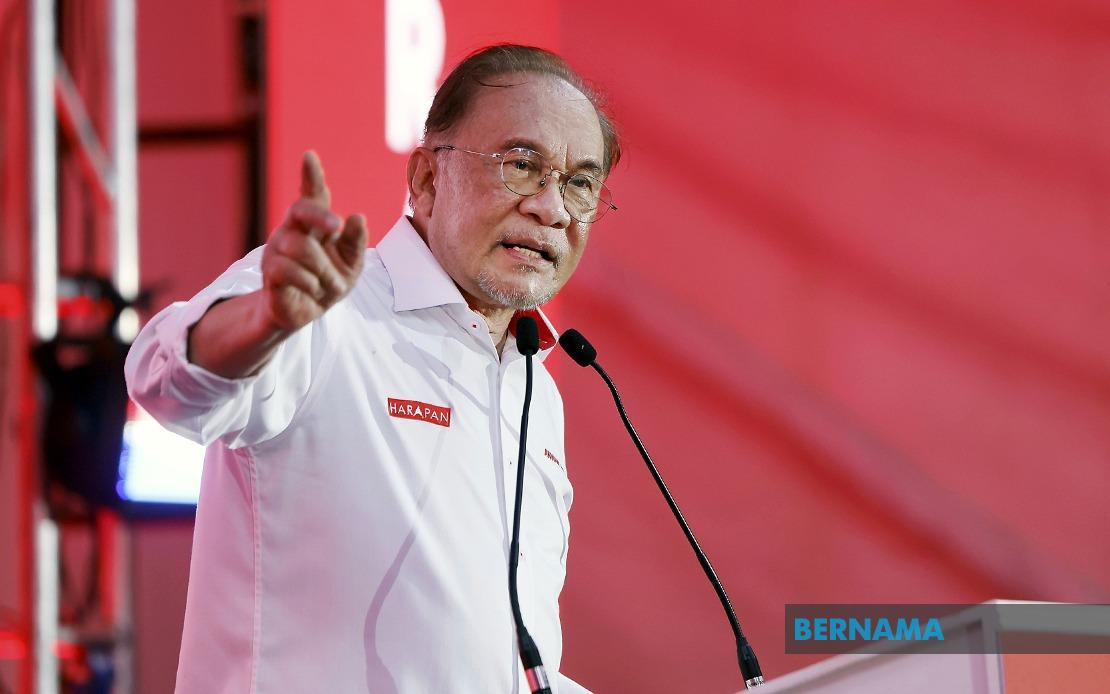
Prime Minister Datuk Seri Anwar Ibrahim has launched an appeal to Johor voters to elect representatives who combine political acumen with the willingness to make tough decisions, positioning the Pakatan Harapan coalition as the vehicle for delivering such leadership ahead of the 16th Johor state election scheduled for July 11. Speaking at the opening of the campaign, the PH chairman emphasised that the state's development and prosperity depend on leaders who genuinely comprehend what matters most to ordinary Johoreans, moving beyond rhetoric to grasp the real concerns of working families, businesses, and communities across the state.
The messaging from Anwar reflects a strategic pivot in opposition campaigning: rather than dwelling solely on past grievances or national political contests, PH is framing this election around competence and responsiveness at the state level. By calling for representatives who are "wise in assessing priorities" and possess "courage to make decisions," the coalition is implicitly critiquing the incumbent administration while positioning itself as the more pragmatic alternative. This approach targets swing voters and fence-sitters who may feel that state politics has become disconnected from their immediate needs—whether that involves economic opportunity, infrastructure, or basic service delivery.
Johor's electoral significance extends beyond its 56 state seats. As Malaysia's southernmost peninsular state and a crucial economic zone, Johor elections often serve as barometers for national sentiment. The state has historically been a stronghold for Barisan Nasional, though recent years have seen growing competition from opposition parties. A strong PH showing in Johor would signal shifting political dynamics and potentially reshape calculations for the next federal election, making the state a testing ground for coalition strategies and messaging that could reverberate across the country.
To demonstrate commitment and build momentum, Anwar embarked on an intensive first-day campaign schedule, participating in seven separate community engagement events across different areas of Johor Bahru. These grassroots activities—combining town halls, informal discussions, and local programmes—form part of PH's broader strategy to establish direct contact between senior party figures and voters, bypassing traditional media and reinforcing the narrative that the coalition is genuinely invested in listening to constituent concerns. Such an approach, when executed by the Prime Minister himself, sends a symbolic message about the importance PH places on this contest.
The coalition has fielded a full slate of candidates across all 56 state constituencies, demonstrating its confidence and organisational capacity. PKR, the largest PH component, is contesting 20 seats, while Amanah has put forward 19 candidates and DAP 17. This distribution reflects both the respective sizes of the coalition partners and internal negotiations about seat allocation. For Malaysian voters familiar with coalition politics, the candidate distribution itself tells a story about power-sharing arrangements and which parties hold leverage within the PH partnership. The inclusion of representatives from all three major coalition components is intended to project an image of broad, inclusive governance that transcends the narrower communal politics that some voters associate with single-party rule.
Across the 56 contested seats, a total of 172 candidates are standing, indicating an average of just over three candidates per constituency. This relatively high level of competition, while not unprecedented, suggests that several seats will be closely contested, with results potentially hinging on turnout, demographic shifts, and localised issues rather than sweeping statewide trends. The plurality of candidates also means that in some constituencies, the winner may secure office with less than forty percent of the vote, potentially amplifying the importance of ground-level campaign work and voter mobilisation efforts.
Anwar's campaign messaging explicitly emphasises national and multicommunal unity, calling for leaders who can represent the interests of all Malaysians—Malays, Chinese, and Indians working in concert. This framing is significant because it attempts to depoliticise ethnic and religious divisions that have traditionally featured prominently in Malaysian state elections. By positioning development and competence as transcending communal boundaries, Anwar is appealing to a constituency of voters, particularly urban professionals and younger electors, who may be fatigued by identity-based politics and seeking candidates focused on concrete outcomes like job creation, improved public services, and transparent governance.
The coalition's tagline, "Johor Progresses. Vote HARAPAN," anchors the campaign in forward-looking optimism rather than opposition to the incumbent. This rhetorical choice suggests that PH strategists believe the most persuasive argument is not that the current government has failed—though PH would certainly make that case—but that the coalition offers a superior vision and capability to drive state progress. In an economically significant state like Johor, this development-focused messaging may resonate more powerfully than in states where political competition centres on federal politics or constitutional issues.
Early voting is scheduled for July 7, providing an opportunity for working professionals and those with scheduling constraints to participate before polling day itself. The early voting window represents a logistical consideration that could influence overall turnout and the composition of the electorate, as those who take advantage of it tend to be more engaged voters. For PH, maximising early voting turnout among supporters could provide a psychological boost heading into the final campaign stretch and offer preliminary data about expected performance in different areas.
Anwar's personal campaign involvement in Johor carries additional symbolic weight given his background. As a politician who has represented Penang constituencies and served various national roles, his direct engagement in Johor signals that PH views this state election as strategically vital rather than a secondary contest. The Prime Minister's willingness to undertake seven campaign events on a single day demonstrates the physical and political investment the coalition is making, setting expectations for party machinery to match that level of effort and commitment throughout the campaign period. For voters evaluating parties, the visible engagement of top leadership serves as one signal of seriousness and priority.

