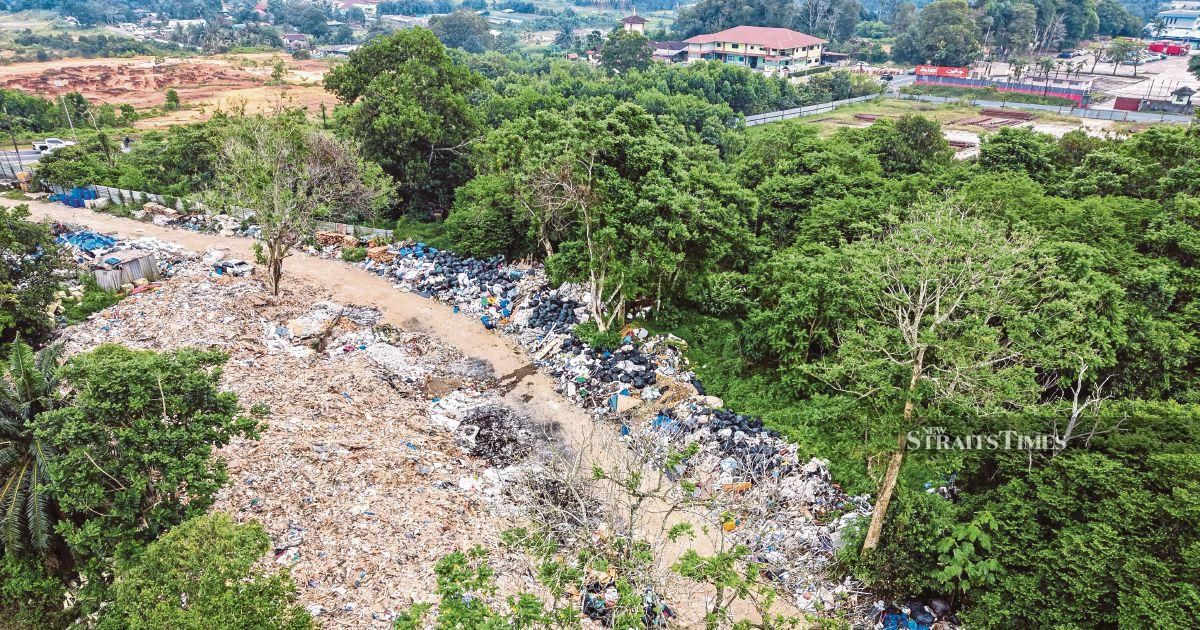
Johor's environmental authorities have moved to establish a coordinated multi-agency task force to thoroughly examine allegations that construction waste originating from Singapore has been illegally deposited at multiple locations throughout the Pontian district. The decision represents a significant escalation in regional efforts to combat transnational waste trafficking and underscores growing environmental management challenges facing communities along the Malaysia-Singapore border.
The Solid Waste and Public Cleansing Corporation (SWCorp), the primary waste management agency overseeing this investigation, has begun gathering evidence and coordinating with other government bodies to assess the scale and nature of the alleged dumping operations. This collaborative approach indicates recognition that tackling cross-border environmental violations requires systematic coordination among multiple jurisdictions and regulatory departments, rather than isolated enforcement efforts.
Construction waste management has emerged as a persistent regional issue, particularly in areas near major economic hubs. Singapore's strict waste regulations and high disposal costs have historically created incentives for contractors to seek cheaper alternatives across borders, making neighbouring regions vulnerable to illegal dumping. Pontian, situated directly across from Singapore's western regions, has become an apparent focal point for such activities due to its proximity and accessibility across the Johor Strait.
The alleged dumping incidents highlight the practical difficulties Malaysian environmental authorities face in monitoring and preventing transnational waste movement. Unlike containerised cargo that passes through formal ports, construction debris can be transported through informal channels, making detection and enforcement particularly challenging. The multi-agency approach recognizes that SWCorp alone cannot effectively address investigations requiring input from customs authorities, local councils, port management, and police.
For Malaysian residents in border communities, such environmental violations pose genuine health and ecological risks. Unregulated construction waste dumpsites can contaminate groundwater supplies, degrade agricultural land value, and create vector habitats for disease-carrying insects and rodents. The cumulative impact on local communities, particularly those dependent on agriculture or fishing in nearby water bodies, may be substantial though often difficult to quantify.
The investigation also carries implications for Malaysia's international environmental standing. As a developing economy balancing growth with sustainability, Malaysia has invested considerably in building environmental governance frameworks. Allegations of becoming a dumping ground for neighbouring countries' waste threatens to undermine these efforts and potentially damage bilateral relations if evidence suggests systemic negligence or corruption enabling such activities.
Singapore's waste management model, while generating disposal pressures, has also established legal frameworks penalizing illegal export of waste. The investigation will likely involve determining whether waste was exported through formal channels with inadequate documentation, or whether it moved through illegal smuggling networks. Clarifying the supply chain behind alleged dumping could reveal gaps in enforcement at multiple points across both jurisdictions.
The economic incentives driving such dumping are substantial. Construction projects generate significant waste volumes, and legitimate disposal through licensed facilities represents a notable cost component. Johor, with lower operational costs and less stringent regulatory oversight than Singapore, becomes an economically attractive disposal destination for unscrupulous operators. The task force investigation should examine whether local waste handlers or construction contractors inside Johor have been complicit in accepting and burying foreign waste.
Johor's response demonstrates evolving sophistication in environmental governance at the state level. Rather than issuing statements alone, establishing a formal task force with defined investigative responsibilities suggests serious intent to gather evidence suitable for potential prosecution. If illegal dumping is confirmed, enforcement actions could establish important precedents for addressing transnational environmental crimes in the region.
The implications extend beyond Pontian. Other Malaysian border communities facing similar pressures, particularly along the Thailand border and in Sabah and Sarawak where cross-border waste movement occurs, may look to this investigation's outcomes and enforcement measures. Success in this case could strengthen Malaysia's capacity to protect its environment from regional waste trafficking patterns.
Moving forward, the task force's findings will likely inform policy discussions about waste management cooperation mechanisms with Singapore and protocols for identifying and preventing illegal transboundary waste movement. Strengthening documentation requirements, enhancing surveillance capacity at informal dumping sites, and establishing clearer bilateral communication channels between environmental agencies could reduce future incidents.
For now, the investigation represents a critical moment for Malaysian environmental protection. The commitment of multiple agencies signals that authorities are taking these allegations seriously and recognise the need for comprehensive, coordinated responses to complex environmental violations. The subsequent findings and any enforcement actions will indicate whether regional environmental governance has matured to address sophisticated cross-border challenges effectively.

