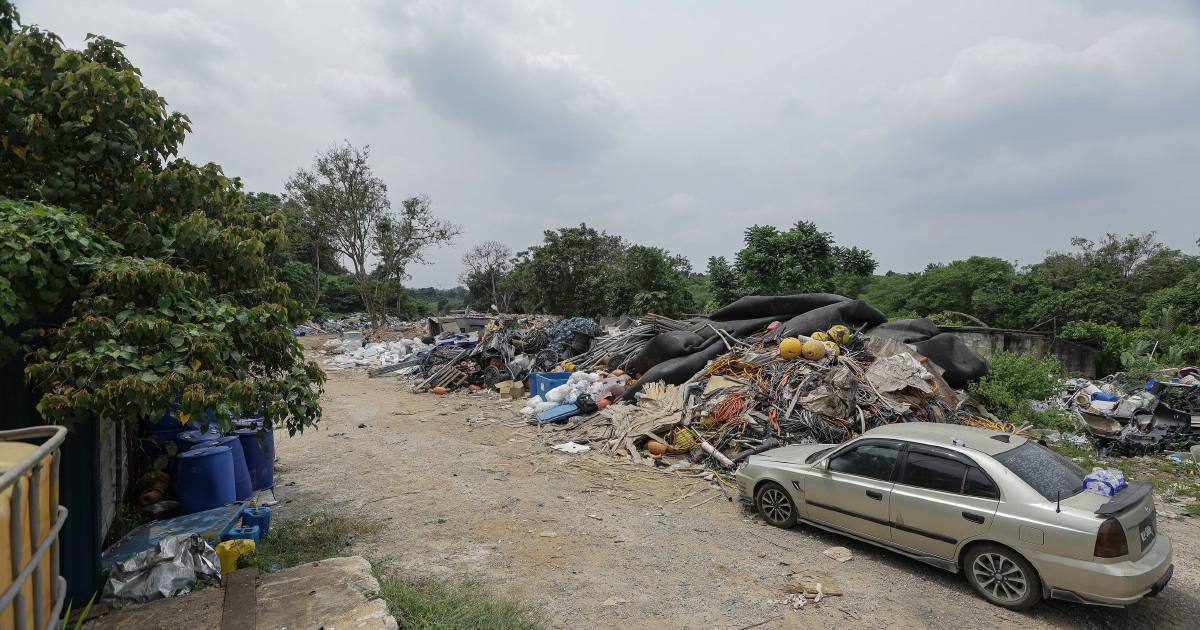
Johor authorities have moved decisively to address mounting concerns about cross-border waste disposal by establishing a multi-agency task force dedicated to investigating allegations that construction debris from Singapore has been dumped across several locations in Pontian. The formation of this specialized task force represents a significant administrative response to what officials view as a potentially serious environmental and regulatory violation affecting the southern Malaysian state.
The Pontian district, which lies directly across the border from Singapore, has become the focal point of an emerging controversy centred on the unauthorized disposal of construction materials. Residents and local environmental advocates have raised alarms about construction waste appearing at multiple sites, prompting regional officials to take formal investigative steps. The geographical proximity between Pontian and Singapore creates a complex enforcement environment where waste management and environmental regulations from both jurisdictions intersect.
The multi-agency structure of the task force underscores the complexity of investigating cross-border environmental violations. By coordinating between various state departments, local authorities, and specialized agencies, Johor aims to establish a thorough investigative framework capable of tracing waste sources, identifying responsible parties, and determining the scale of unauthorized dumping. This integrated approach reflects international best practices for addressing transboundary environmental issues, where effective enforcement requires collaboration across multiple regulatory bodies.
Construction waste management remains a significant challenge throughout Southeast Asia, where rapid urbanization and infrastructure development generate enormous quantities of debris. Singapore's dense urban environment and intensive construction activity produce substantial volumes of waste materials that require careful management and disposal. The allegations suggest that some of this waste may have been transported across state lines rather than processed through approved Singapore facilities, potentially circumventing both Malaysian and Singaporean environmental regulations.
The environmental implications of unauthorized construction waste dumping extend beyond aesthetic concerns. Improperly disposed construction materials can contaminate soil and groundwater, alter local ecosystems, and create public health hazards if materials contain asbestos, lead, or other hazardous substances commonly found in older buildings. For communities in Pontian, such dumping represents not only a regulatory breach but a potential threat to their immediate environment and long-term health security.
From a regulatory perspective, this investigation touches upon fundamental questions about transnational environmental accountability and the enforcement of waste management standards across state borders. Both Malaysia and Singapore maintain strict regulations governing construction waste, yet the alleged violations suggest these frameworks may have enforcement gaps. The task force investigation will likely examine compliance mechanisms at both source and destination points, potentially revealing systemic weaknesses in bilateral waste monitoring arrangements.
For Malaysian readers, particularly those in border regions, this situation illustrates the practical challenges of managing shared environments with neighbouring countries. Construction waste dumping in Pontian simultaneously reflects decisions and actions in Singapore, highlighting how environmental governance cannot operate within isolated national compartments. The investigation's findings may influence future conversations about strengthening bilateral cooperation on waste management and establishing more robust cross-border monitoring protocols.
The task force will presumably examine documentation trails for waste shipments, interview construction companies and waste disposal operators on both sides of the border, and conduct physical inspections of affected sites. This investigative work requires technical expertise in environmental assessment, logistics tracking, and regulatory compliance, explaining why multiple agencies must collaborate. Evidence gathering may prove challenging, particularly if records have been deliberately obscured or if dumping occurred over an extended period.
Potential legal consequences for responsible parties could range from substantial fines to enforcement actions against companies involved in unauthorized waste transportation and disposal. Both Malaysian environmental laws and potentially international protocols may apply, particularly if dumping constitutes a cross-border pollution incident. The investigation's outcomes could establish important precedents for handling similar disputes, signalling to other potential violators that such activities will face serious investigation and prosecution.
This development also signals Johor's determination to protect its environment from practices that treat Malaysian territory as a receptacle for external waste. Regional authorities increasingly recognize that allowing unrestricted dumping undermines environmental standards and creates unfair competitive disadvantages for legitimate waste management operators. By taking formal investigative action, Johor demonstrates commitment to environmental stewardship and border security principles.
The task force's success will ultimately depend on cooperation between Malaysian and Singapore authorities, adequate resource allocation, and political will to pursue investigations wherever evidence leads. If construction waste truly originated in Singapore and was deliberately exported to avoid disposal fees or regulatory scrutiny, it represents a significant regulatory failure on both sides of the border. The investigation should clarify responsibility distribution and inform future bilateral arrangements designed to prevent such incidents.
For Pontian residents and broader Malaysian civil society, this task force represents an important institutional response to environmental violations. The investigation's transparent conduct and rigorous findings will significantly influence public confidence in government environmental protections. Ultimately, effective resolution requires not only identifying current perpetrators but establishing stronger mechanisms to prevent future cross-border waste dumping, ensuring that Malaysian territories are not exploited as convenient disposal sites for neighbouring jurisdictions.

