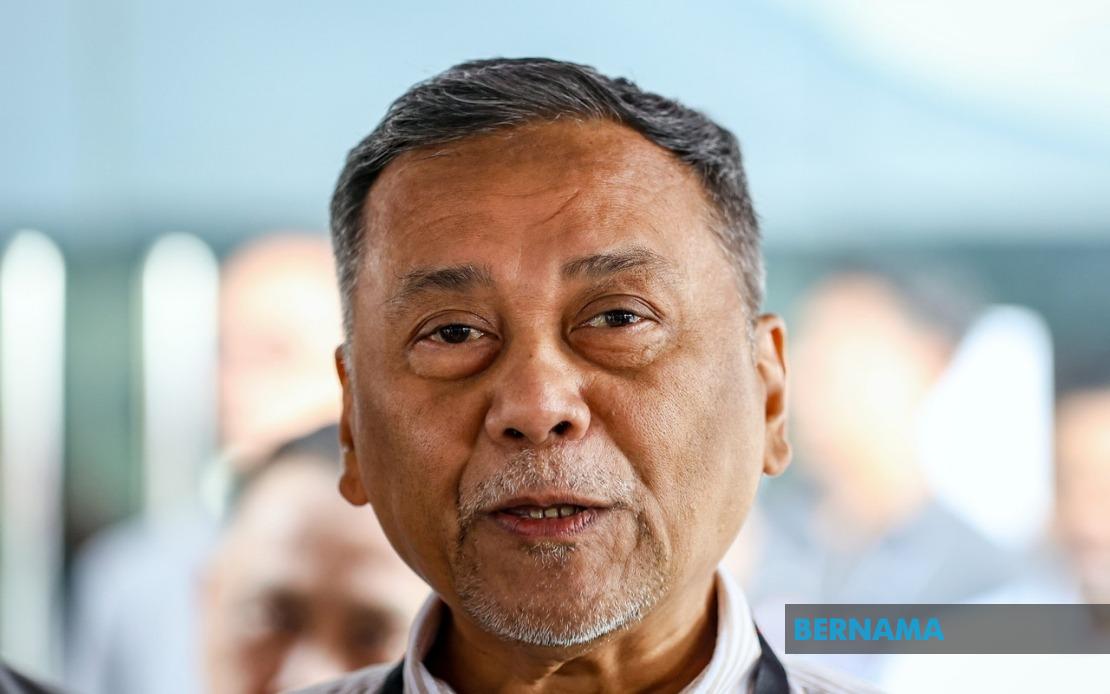
The Election Commission has projected that voter participation in the Johor state election could reach approximately 70 per cent, signalling robust public engagement with the democratic exercise. Datuk Seri Ramlan Harun, the EC chairman, attributed this optimistic forecast to observable indicators of heightened voter interest throughout the campaign period, suggesting that Malaysians are increasingly conscious of their electoral responsibilities.
The projection carries particular significance for Johor, as a 70 per cent turnout would indicate substantial citizen participation in determining the state's political future. Such engagement levels reflect broader patterns of democratic participation and suggest that voters view the election as consequential. The EC's assessment is grounded in empirical observation of campaign dynamics rather than speculation, providing a relatively reliable gauge of likely participation rates.
Ramlan emphasised that public awareness campaigns and the intensity of electoral activities have contributed meaningfully to the anticipated turnout. Beyond the spectacle of competing campaigns, voters have demonstrated genuine interest in comprehending the electoral process itself and recognising its importance to governance and representation. This combination of factors—enthusiastic candidates, engaged communities, and informed citizens—creates the conditions for high participation.
Approximately 2.7 million registered voters across Johor are eligible to cast ballots in what represents a pivotal moment for the state's political trajectory. This substantial electorate, if turning out at the projected rate, would represent a powerful mandate for whichever coalition or party secures victory. The size of the eligible voting population underscores Johor's significance within Malaysia's federal structure and electoral dynamics.
The EC has orchestrated extensive logistical preparations to accommodate and facilitate voting across diverse geographic terrain. Polling stations will commence operations at 8 am, though closing times will vary considerably based on location and accessibility. Remote island communities, recognising the challenges of transportation and voter mobility, will see their polling centres close earlier—with Pulau Besar's station shutting at 11 am, while Pulau Aur and Pulau Pemanggil close at noon. The majority of the 1,114 polling centres nationwide will operate until 6 pm, with intermediate closures at 2 pm and 4 pm accommodating various regional requirements.
This tiered closing schedule reflects the EC's recognition that standardised voting hours cannot adequately serve Malaysia's geographically fragmented electorate. Island communities and remote areas require different operational frameworks to ensure meaningful access. The scheduling demonstrates institutional awareness of equity in electoral participation and the practical constraints facing voters in peripheral regions.
The EC has mobilised 43,036 election workers to supervise voting procedures, manage ballot distribution, and ensure procedural integrity throughout the election day. This substantial workforce indicates the scale and complexity of administering elections across Johor's varied terrain and population centres. Additionally, 24,677 postal ballots have been issued to voters unable to participate in person, with all such ballots required to reach the EC by 6 pm on election day.
Logistical coordination presents a particular challenge given Johor's maritime geography. The transport of ballot boxes from island polling stations requires meticulous planning and cooperative arrangements with maritime authorities. The EC has assured the public that contingency measures remain in place, developed in consultation with the Royal Malaysia Police and the Malaysian Armed Forces. This inter-agency coordination ensures that unforeseen circumstances—weather disruptions, transportation delays, or security concerns—will not impede the electoral process or compromise ballot security.
The high projected turnout, if realised, would position this Johor election within a broader regional context of democratic participation in Southeast Asia. Malaysian electoral engagement has historically reflected citizens' investment in representative democracy, and the anticipated 70 per cent participation would affirm this commitment. For regional observers, strong Malaysian turnout demonstrates the vitality of electoral institutions in a established democracy, even amid the political volatility that has characterised recent years.
The EC's confidence in achieving this participation level carries implications for election management capacity. Successfully administering an election with 70 per cent turnout demands seamless coordination, adequate resources, and effective communication. The preparation evident in the EC's planning—from worker deployment to island logistics—suggests institutional confidence in managing the operational demands of high-participation elections.
For Johor specifically, elevated voter turnout could influence the electoral outcome's perceived legitimacy. Governments formed with strong mandates, as evidenced by high participation rates, possess greater authority to implement policy agendas and claim public support. Conversely, lower-than-projected turnout might raise questions about voter confidence or engagement with particular candidates or parties. The anticipated 70 per cent threshold therefore carries significance extending beyond mere administrative metrics.
The days ahead will test whether the EC's projection materialises. Weather conditions, last-minute campaign developments, and unforeseen disruptions could influence final turnout figures. Nonetheless, the Commission's assessment reflects genuine indicators of public interest and commitment to electoral participation, suggesting that Johor voters view this election as deserving their active involvement in the democratic process.

