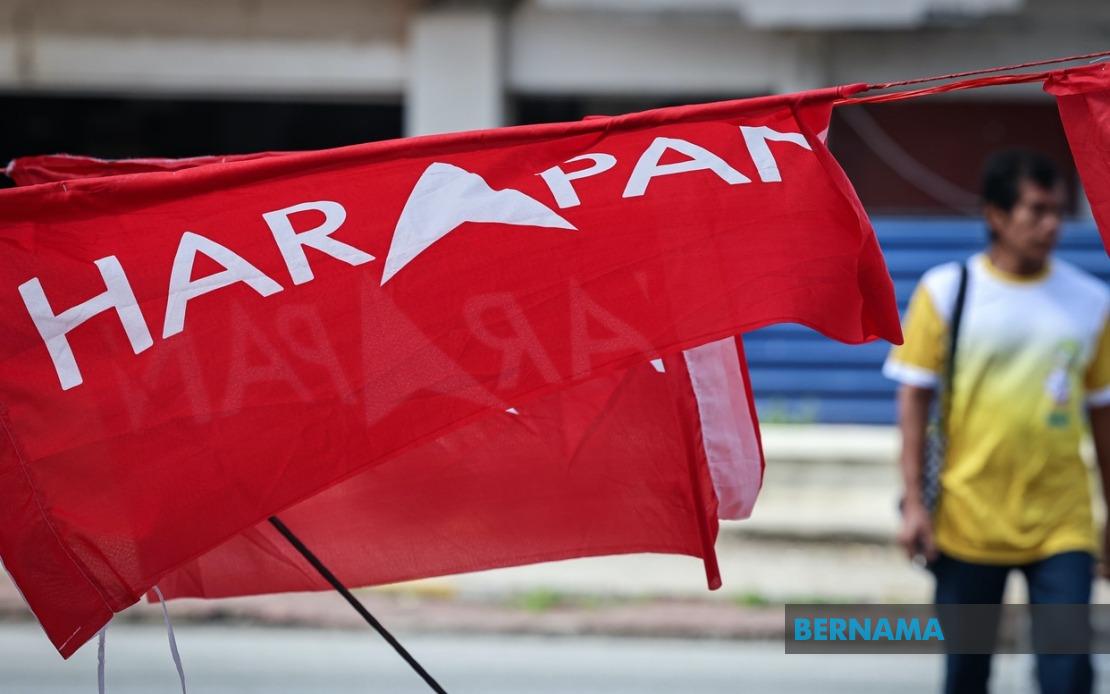
Pakatan Harapan candidates contesting in Johor's 16th state election are executing a carefully calibrated campaign strategy in the closing week before polling on July 11, marrying traditional grassroots mobilisation with contemporary digital engagement to penetrate diverse voter segments. The approach reflects the evolving nature of electoral campaigns in Malaysia, where digital natives and older voters require fundamentally different outreach methods, necessitating simultaneous deployment of both channels to maximise resonance across generational divides.
The hybrid methodology represents a deliberate attempt to neutralise what many analysts view as a critical vulnerability in purely traditional or purely digital campaigns: incomplete voter coverage. By maintaining robust ground presence through door-to-door visits, community dialogues, and public events whilst simultaneously cultivating active social media communities, PH candidates are positioning themselves to capture voter intent across the demographic spectrum. This dual approach acknowledges that electoral victory in contemporary Malaysia hinges upon appealing to both physically present constituencies and digitally engaged audiences whose political preferences are increasingly shaped by online discourse.
The physical campaign dimension has been substantially reinforced by the presence of senior party figures deployed throughout the state. Penang Chief Minister Chow Kon Yeow's field visits, particularly his accompaniment of Simpang Jeram incumbent assemblyman Nazri Abdul Rahman during community outreach efforts, exemplify how central party leadership is being leveraged to energise local campaign machinery. Such high-profile engagement serves multiple functions: it signals party commitment to specific constituencies, provides morale elevation to volunteer networks, and generates locally relevant news coverage that amplifies campaign messaging beyond paid advertising channels.
The digital transformation of campaign operations has proven particularly innovative in its utilisation of platforms traditionally associated with entertainment rather than political discourse. TikTok has emerged as an unexpectedly potent medium for several candidates, with Tiram representative Nor Zulaila Abd Ghani demonstrating particular effectiveness through adoption of a conversational, relaxed presentation style that eschews traditional political formality. The platform's algorithmic architecture, which prioritises engaging and authentic content over polished production values, has paradoxically created conditions favourable to political candidates willing to present themselves as approachable individuals rather than distant political figures. Social media commentary on Nor Zulaila's content reveals voters responding positively to perceived authenticity and accessibility, suggesting that younger and digitally native voters may prioritise perceived genuineness over conventional campaign professionalism.
WhatsApp has simultaneously been repurposed from its original function as interpersonal communication software into a structured voter engagement tool. Puteri Wangsa candidate Dr Maszlee Malik's deployment of a dedicated WhatsApp Channel branded 'Gerak Sama Dr Maszlee Malik' transforms the application from bilateral communication device into a broadcast mechanism permitting rapid dissemination of campaign updates whilst maintaining superficial interactivity through response features. This approach reflects sophisticated understanding that whilst WhatsApp's encryption and ubiquity make it an essential campaign tool in Malaysia, it functions most effectively as a one-to-many broadcast system rather than a genuine dialogue platform, despite interface elements suggesting bidirectional engagement.
Facebook continues to serve traditional functions within the electoral ecosystem, with candidates like Machap's Nor Hafiz Roslan utilising the platform to construct and reinforce professional identity narratives. By consistently posting content emphasising his background as a lawyer and community activist, Nor Hafiz is essentially building a curated public persona designed to appeal to voters prioritising credentials and demonstrated commitment to constituent service. This representational strategy differs markedly from TikTok approaches, reflecting platform-specific audience expectations: Facebook demographics skew older and more professionally oriented, requiring candidates to emphasise qualifications and tangible accomplishments rather than personality or relatability.
Mobility-focused campaign tactics represent another dimension of the comprehensive outreach strategy. Tanjung Surat candidate Faizul Abdul Ghani's 'Jelajah Trak Harapan' initiative, which involves travelling throughout constituencies via branded vehicles, combines visibility, accessibility, and symbolic messaging. The travelling format permits rapid movement between localities whilst maintaining candidate presence, efficiently maximising exposure within time constraints. The branded vehicle simultaneously functions as mobile campaign advertisement, extending reach beyond direct voter interactions to include passive awareness among commuters and pedestrians observing campaign messaging during transit.
The timing of this escalated campaign activity carries particular significance. With polling scheduled for July 11 and early voting for security forces occurring on July 7, the remaining campaign window compresses into approximately five days of intensive activity. This temporal constraint explains the urgency evident in multi-channel deployment: candidates cannot afford to concentrate resources exclusively on high-return tactics when time limitations necessitate simultaneous pursuit of all viable engagement channels. The compressed timeline effectively forces strategic choices toward breadth over depth, accepting somewhat lower quality engagement across multiple channels rather than attempting deeper persuasion through single-channel focus.
For Malaysian political observers and regional analysts, the Johor campaign methodology offers instructive insights into evolving electoral practices across Southeast Asia. Malaysia's relatively sophisticated digital penetration combined with persistent grassroots political importance creates conditions particularly amenable to hybrid approaches. The success or failure of PH's integrated strategy will likely influence campaign methodologies in future Malaysian elections, particularly regarding the relative weighting of digital versus traditional engagement and the feasibility of simultaneous multi-platform voter mobilisation within compressed timeframes.
The campaign dynamics also reflect broader questions about voter behaviour transformation in democratic contexts experiencing rapid digitalisation. Whether voters genuinely respond substantively differently to identical policy messages transmitted through different channels, or whether candidates are essentially repeating uniform messaging across channels in hopes that varied delivery mechanisms will penetrate previously unreached audiences, remains an empirical question inadequately studied in Malaysian electoral research. The Johor election, as one of Malaysia's more closely contested recent electoral contests, provides a natural laboratory for studying whether hybrid campaign approaches measurably improve candidate competitiveness or whether they represent redundant resource deployment.
The Election Commission's administration of the polling process, with July 11 designated as the main polling day, will ultimately render verdict on whether PH's integrated campaign strategy generates sufficient voter mobilisation to achieve desired electoral outcomes. The closing days before polling will likely witness intensification of both channels, with candidates simultaneously escalating ground events whilst saturating social media with content designed to reinforce messaging and encourage voter turnout. The effectiveness of this parallel escalation in determining electoral outcomes remains to be seen once voting concludes and results begin appearing.

