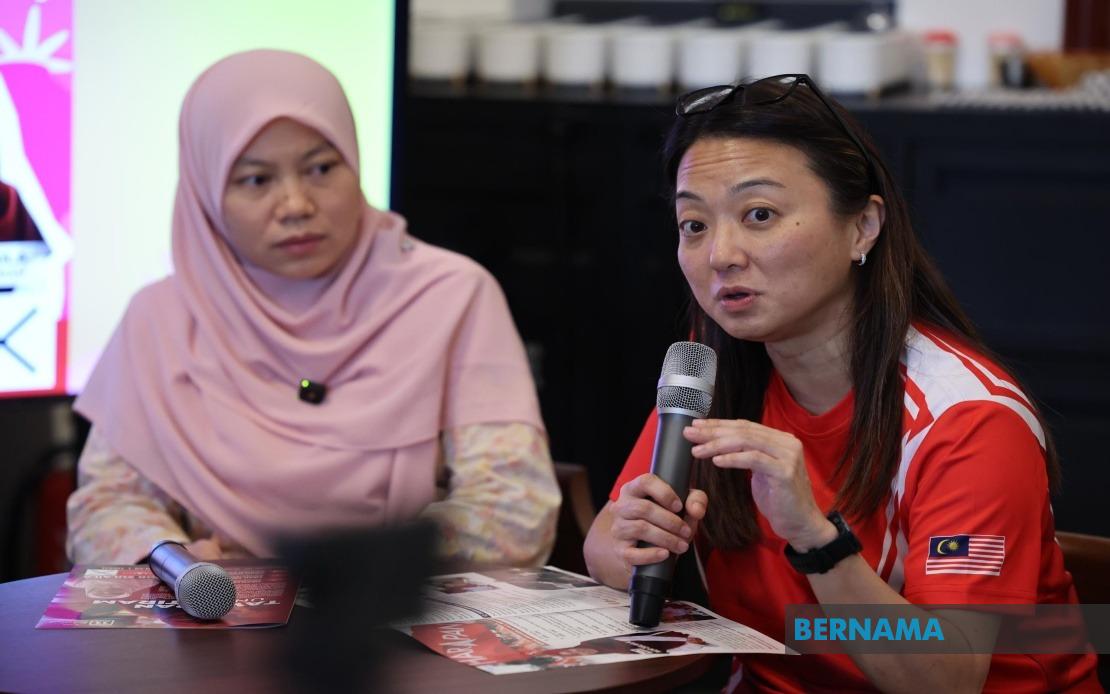
Johor's upcoming state election is drawing scrutiny over the similarities between competing parties' policy platforms, but senior government figures are pushing back against suggestions that manifestos amount to mere replicas of rival proposals. Hannah Yeoh, the DAP deputy secretary-general and Minister in the Prime Minister's Department overseeing Federal Territories, dismissed such criticism as unfounded during a campaign event in Johor Bahru on July 4, positioning overlapping commitments as evidence of consensus on pressing community needs.
Yeoh's remarks came in response to specific allegations that Pakatan Harapan's manifesto for the 16th Johor state election bore striking resemblance to Barisan Nasional's platform. Rather than acknowledging potential policy duplication, she reframed the convergence as inherently beneficial to voters. Speaking after participating in the "Chit Chat Wanita" programme and the launch of the "Offer for Tiram" initiative, she underscored that welfare and housing appear consistently across party platforms because these represent genuine anxieties shaping household conversations throughout the state.
The minister's approach reflects a broader political strategy: transforming a potential vulnerability into a strength by suggesting that identical policy commitments demonstrate responsiveness to voter demands. When multiple parties champion the same initiatives, she reasoned, it validates the legitimacy of those priorities rather than indicating laziness or lack of originality. This argument carries particular weight in Malaysian electoral contests, where scepticism about political promises runs deep among many voters who have witnessed previous campaigns make grand pledges without delivery.
Beyond manifesto content, Yeoh highlighted DAP's efforts to diversify its candidate slate as evidence of substantive commitment to representation and inclusivity. The party has fielded eight women among its 17 candidates competing in the state election, a deliberate choice that signals intent to reshape political leadership. Yeoh emphasised that female candidates possess both the capability and vision to occupy substantial decision-making positions, from state executive portfolios to potentially the top administrative role of Menteri Besar should voters grant their party a mandate.
The party's selection of candidates reflects emerging debates across Malaysian politics about gender representation in state assemblies. While constitutional frameworks and electoral systems create pathways for women's participation, genuine advancement requires sustained commitment from political organisations willing to invest confidence and campaign resources in female contenders. DAP's approach suggests an attempt to move beyond tokenism, positioning women as serious contenders rather than ceremonial inclusions designed primarily for optics.
Yeoh pointed to Nor Zulaila Abd Ghani, DAP's candidate in the Tiram constituency, as exemplifying the calibre of individuals the party has recruited. With a dozen years of administrative experience spanning local government, state agencies, and federal departments, Nor Zulaila brings substantive credentials to the race. Her background cuts across the bureaucratic landscape, suggesting familiarity with the machinery of governance and the practical constraints that shape policy implementation across different governmental tiers.
Particulary striking is Yeoh's emphasis on Nor Zulaila's mixed heritage—her mother's Malay background combined with her father's Chinese identity. This biographical detail carries symbolic weight in Malaysian political discourse, where questions of ethnic representation and intercommunal harmony persistently influence electoral narratives. By highlighting a candidate who embodies multicultural identity, Yeoh advances a subtle argument that diversity of background need not undermine effective governance; instead, it can facilitate bridge-building across traditional communal divides.
Nor Zulaila's contest in Tiram reflects the fragmented nature of contemporary Johor politics. She faces opposition from Barisan Nasional, Parti Bersama Malaysia, and Perikatan Nasional—a four-way split that creates unpredictable dynamics. The proliferation of contesting coalitions at state level mirrors national political fragmentation, complicating traditional two-coalition arithmetic that previously characterised Malaysian elections. Such division potentially advantages candidates with strong local organisational networks and personal credibility within constituencies.
Pakatan Harapan's decision to contest all 56 state seats indicates confidence in its organisational capacity and ideological appeal across Johor's diverse geography. The coalition spans urban centres, suburban sprawl, and rural constituencies, each presenting distinct voter priorities. Successfully contesting comprehensively requires coordination across component parties—DAP, PKR, and Amanah—and managing potentially competing interests within that coalition structure. The manifestos that Yeoh defended, then, represent negotiated platforms attempting to balance these internal pressures whilst addressing voter demands.
The election timeline concentrates campaigning intensity considerably, with polling scheduled for July 11 and early voting on July 7. This compressed schedule leaves limited time for detailed policy elaboration or voter education around manifesto specifics. Consequently, campaign messaging tends toward broad-brush commitments around established concerns rather than granular policy details. The manifestos' apparent similarities may partly reflect this structural reality: parties gravitate toward proven voter concerns rather than experimental platforms when campaign periods permit limited engagement.
For Malaysian readers monitoring Johor's election closely—particularly those in neighbouring states considering how the outcome might shape regional political dynamics—the contest carries implications beyond state boundaries. Johor remains economically significant and politically influential within the federation, and its verdict will inform calculations about coalition viability and voter sentiment heading toward potential federal-level contests. Whether voters prioritise manifesto originality or perceived competence in addressing welfare, housing, and economic security will signal broader preferences about governance standards across Malaysian political contests.

