The Johor State Election Dialogue is set to proceed on Tuesday, July 7, at the RTM Auditorium under the Johor Broadcasting Department, with an evening broadcast beginning at 8 pm. This broadcast event, jointly organised by RTM, Astro AWANI and Sinar Harian, marks a significant moment in the lead-up to the state polls, though it will notably lack the presence of the incumbent Menteri Besar Datuk Onn Hafiz Ghazi, who has cited other prior commitments preventing his participation.
The absence of the state's chief executive from what was intended as a major platform for candidates to articulate their vision represents an unusual gap in the electoral dialogue process. When contacted by media, an aide to Onn Hafiz confirmed the Menteri Besar had no place on the programme itinerary, offering minimal elaboration on the reason for his non-attendance. This decision contrasts with typical practice in state-level election campaigns, where sitting chief executives typically feature prominently in major broadcast forums to defend their records and articulate their party's vision for the coming term.
Despite the Menteri Besar's absence, the dialogue will still serve as a significant platform for political voices. Communications Minister Datuk Fahmi Fadzil is expected to represent the government's perspective, bringing federal-level visibility to the Johor campaign. Equally important is the scheduled appearance of Pakatan Harapan candidate for the Puturi Wangsa state seat, Dr Maszlee Malik, who will present the opposition coalition's policy positions and electoral platform to voters and community representatives.
The programme has been formally extended invitations to both major figures by the three organising media organisations, underlining the importance placed on balanced representation in what amounts to a structured national broadcast debate. The dialogue format has been designed to offer both candidates equitable opportunity to present their respective visions, policy platforms, priorities and proposed solutions to issues affecting the Johor electorate. This structured approach reflects efforts by Malaysia's broadcasting institutions to facilitate informed voter decision-making through substantive policy discussion rather than political theatre.
The event is expected to draw approximately 200 participants representing various government departments, agencies and MADANI Communities across Johor. This assembly of community stakeholders, civil servants and civil society representatives will form the immediate audience for the dialogue, creating a forum that extends beyond the broadcast audience to include representatives of institutions directly affected by state-level governance and policy decisions. The involvement of MADANI Communities—part of the government's community-based initiative framework—indicates an intention to ground the dialogue in grassroots perspectives on pressing local concerns.
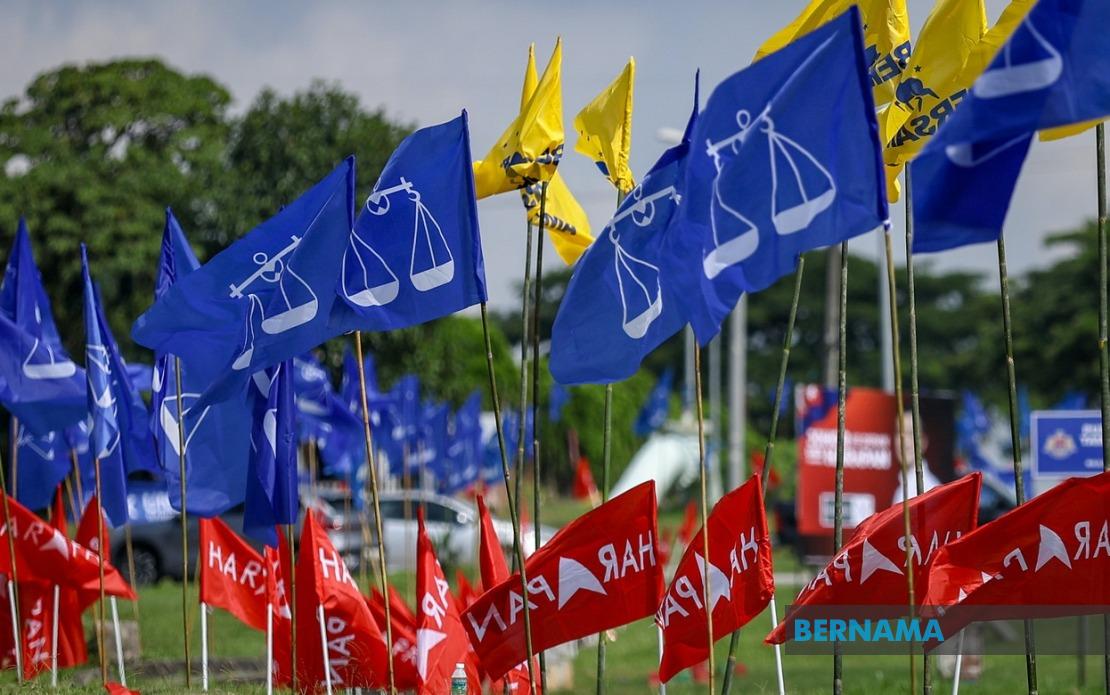
The timing of this dialogue falls within a compressed campaign period leading to the 16th Johor State Election. Voters will go to the polls on July 11, with early voting already scheduled for July 7—the same day as the broadcast dialogue. This convergence of the election dialogue and the first voting opportunity creates a narrow window for voters to absorb campaign messaging and policy positions before casting their ballots, potentially limiting the electoral impact of the dialogue itself for early voters.
The election itself presents a substantial contest involving 172 candidates competing for 56 state assembly seats across the southern peninsula state. As Malaysia's most developed state by several economic metrics and a major component of federal revenue generation, Johor's governance outcomes carry implications beyond its borders. The state has historically alternated between different political coalitions, and the current contest will determine whether the incumbent administration extends its tenure or whether opposition forces can capitalize on electoral momentum to effect a transition of state leadership.
The one-hour format allocated for the dialogue suggests structured, time-limited exchanges rather than prolonged debate. This constraint may impact the depth of policy exploration possible, potentially limiting discussion to headline positions rather than detailed examination of specific proposals and their practical implementation. For Malaysian voters seeking substantive policy comparison, the broadcast may function more as an initial orientation point than as a comprehensive platform for evaluating candidates' detailed governing plans.
The decision by Onn Hafiz to remain absent raises questions about strategic campaign calculations and messaging priorities. His non-appearance in a major state-level broadcast dialogue during an active election campaign may reflect confidence in alternative campaign channels, deliberate strategy to emphasize ministerial duties over campaigning, or other factors not publicly articulated. Regardless of the reasoning, the absence of the sitting Menteri Besar from what could have been his primary opportunity to directly address voters and defending his administration's record through a structured dialogue format represents a notable element of this election cycle's campaign architecture.

