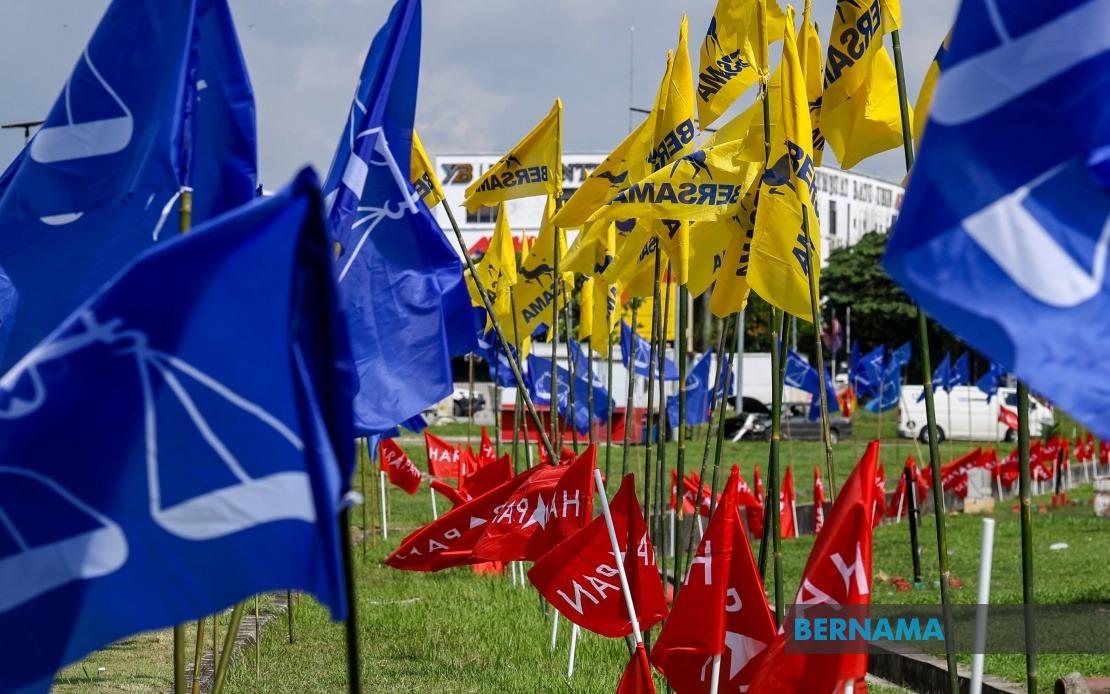
The opening phase of the 16th Johor state election reveals a fundamentally different approach to political campaigning, one characterised by intimate voter engagement rather than the spectacle of mass gatherings. As candidates begin their push towards polling day on July 11, the initial week has produced a measured campaign rhythm, with all major parties consciously choosing house visits, small community meetings, and one-on-one discussions over the traditional approach of large-scale public rallies that once defined Malaysian electoral politics.
This strategic pivot reflects a broader transformation in how political parties now conceptualise voter persuasion. According to political analysts, the shift represents not a reduction in campaign intensity but rather a recalibration of resources toward approaches deemed more effective in the contemporary Malaysian context. Prof Datuk Dr Sivamurugan Pandian from Universiti Sains Malaysia explains that parties are deploying what might be termed a foundational strategy in the campaign's opening week. By focusing on direct, face-to-face interactions at the neighbourhood level, candidates gain valuable insights into constituency-specific concerns while simultaneously strengthening their organisational infrastructure. This groundwork proves essential for subsequent phases when national leadership will inevitably join the campaign trail, creating a synergy between grassroots mobilisation and high-profile intervention.
The sophistication underlying these targeted approaches extends beyond simple neighbourly conversations. Modern electoral campaigns in Malaysia have increasingly embraced data analytics and voter segmentation, techniques that fundamentally reshape campaign logistics and messaging priorities. Dr Azmi Hassan, a geostrategist at the Nusantara Academy for Strategic Research, highlights how contemporary campaigns employ hybrid strategies that merge traditional door-to-door canvassing with sophisticated digital infrastructure. Parties now classify voters into strategic categories—the broadly supportive, the genuinely undecided, and the opposition-leaning—allowing campaign teams to customise their messaging and allocate resources with precision that would have been impossible in earlier electoral cycles. This hybrid methodology explains why the absence of mammoth rallies in Johor's first week does not indicate campaign weakness but instead reflects a calculated deployment of personnel and resources toward maximum impact.
Thematic consistency across competing parties suggests a convergence around issues that resonate most powerfully with Johor voters. Research from the Ilham Centre indicates that campaign narratives across all contesting parties have coalesced around three primary themes: the track records of respective coalitions and candidates, forward-looking pledges for state development, and assertions regarding which political combination can best deliver stable governance. However, the mere articulation of these themes does not guarantee their electoral salience. The critical test lies in whether parties can successfully translate these abstract political propositions into concrete issues that shape voter behaviour—matters such as rising living costs, employment availability, local infrastructure development, and the quality of government services. Until voters perceive direct connections between campaign messaging and their material circumstances, even well-crafted narratives struggle to shift voting intentions substantially.
Geographic concentration of campaign activity in northern Johor reveals the strategic calculations underlying resource allocation decisions. Districts including Muar, Tangkak, and Segamat, along with portions of Batu Pahat and Kluang, have witnessed disproportionate campaign attention during the opening week. This concentration reflects sophisticated seat-by-seat analysis conducted by party strategists, who have identified particular constituencies as genuinely competitive or likely to determine the overall election outcome. The presence of national leadership figures in these specific areas signals not merely an attempt to generate media attention but rather a strategic message that these constituencies carry decisive importance within each party's electoral calculations. The deployment of senior leaders becomes a form of political semaphore, communicating internally and externally which battlegrounds parties consider most consequential.
The emerging coalition dynamics reveal a bifurcated electoral landscape with distinct geographic strongholds. Barisan Nasional and Pakatan Harapan represent the two principal contending forces, each with demonstrated strength in particular regions of Johor. Pakatan Harapan maintains substantially greater influence in southern and western coastal areas, whilst Barisan Nasional is positioned as the favoured coalition in eastern coastal districts such as Mersing and Kota Tinggi. This geographic polarisation fundamentally structures campaign strategy, as each coalition can concentrate resources on marginal constituencies rather than attempting to defend easily-won territory. The relationship between coalition confidence in particular areas and campaign machinery deployment demonstrates how electoral strategy flows logically from competitive assessment. Where parties believe victory is assured, campaign presence becomes primarily about turnout mobilisation and reinforcement. Where contests appear genuinely competitive, the concentration of campaign energy reflects the recognised importance of these individual seats to the overall outcome.
Voter turnout has emerged as a critical variable that analysts across the political science community identify as potentially determinative for the final results. This emphasis on participation rather than persuasion reflects recognition that the Johor electorate may be relatively stable in its underlying preferences, with the composition of the voting population that actually participates proving decisive. Electoral history across Malaysia demonstrates that voter mobilisation often matters as much as or more than last-minute persuasion in determining outcomes. This reality explains why parties invested in closing the first campaign week have already intensified messaging designed to encourage supporters to vote early or appear at polling stations on election day. The physical act of voting becomes itself a campaign objective as important as the message concerning why voters should support particular candidates.
The 172 candidates contesting 56 state assembly seats create a densely competitive electoral environment where even modest shifts in voter preferences can produce significant swings in seat allocation. With early voting scheduled for July 7 and the main polling date set for July 11, the campaign trajectory now enters a more intense phase. Political analysts have consistently predicted that campaign momentum will accelerate substantially in the second week, as party hierarchies deploy senior figures, increase rally activity, and amplify digital campaign efforts specifically targeting the undecided voter segment. This anticipated intensification reflects the deliberate pacing of campaigns, wherein the opening week establishes foundations whilst subsequent phases leverage those foundations through more visible, high-impact activities.
For Malaysian voters and observers, the Johor election provides a clear window into how democratic campaigning has evolved within the Southeast Asian context. The shift away from mass rallies toward targeted, data-informed voter engagement represents adaptation to several contemporary realities: the proliferation of social media platforms that fragment audience attention, increasing campaign costs that demand efficiency, voter sophistication that responds to customised messaging more effectively than generic appeals, and the practical recognition that intimate conversation often persuades more effectively than public theatre. Understanding this evolution proves important not merely for comprehending Johor's immediate electoral outcome but also for recognising the broader trajectory of Malaysian political practice as campaigns become simultaneously more sophisticated and more intimate, more data-driven and more personally connected. The quiet opening to Johor's 2024 campaign masks considerable strategic activity, revealing that modern electoral competition operates according to logics quite distant from the visible spectacle of politics that earlier generations of Malaysians would have recognised as the authentic substance of campaigns.

