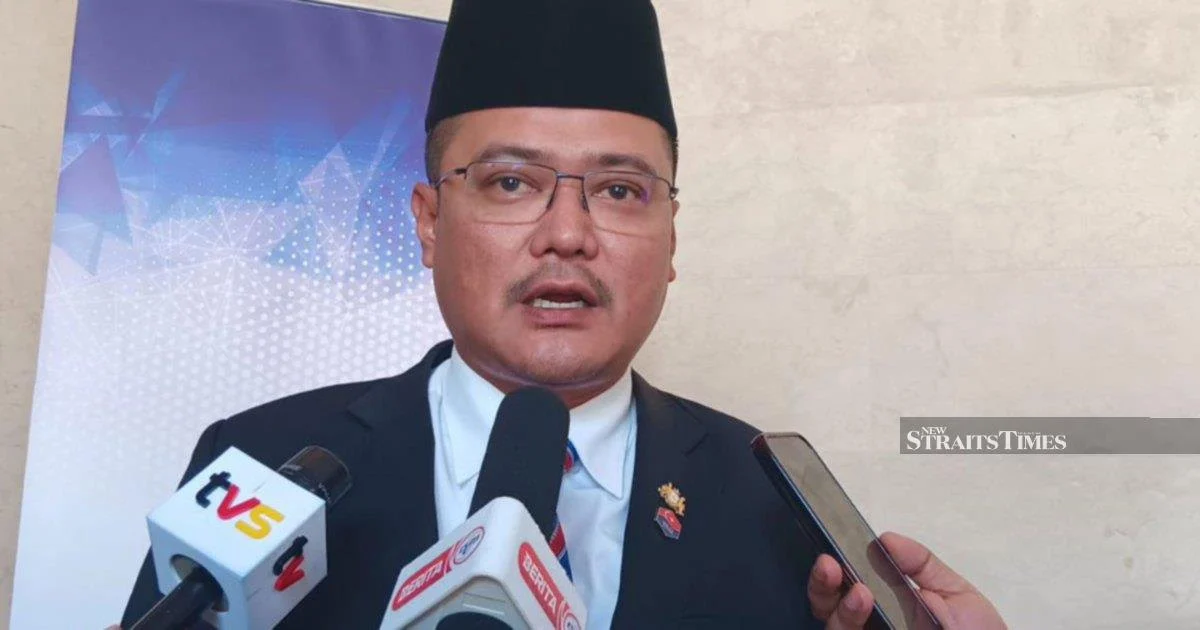
Johor's Barisan Nasional leadership has mounted a robust defence against accusations levelled by former state legislative assembly speaker Datuk Dr Mohd Puad Zarkashi, categorically dismissing assertions that the palace has intervened in political matters. The coalition coalition representatives contended that such claims are baseless, represent a grave breach of responsible public discourse, and carry implications that extend beyond mere partisan disagreement.
The controversy centres on statements allegedly made by Datuk Dr Mohd Puad Zarkashi that purport to reveal institutional influence over political decisions in Johor. The former assembly speaker's remarks have triggered significant institutional and political responses, with BN figures arguing that such narratives undermine public confidence in constitutional frameworks and the separation between symbolic and executive authority. The coalition has employed language suggesting the allegations pose risks to political stability and public trust in governance structures.
Accompanying the BN's formal response, Umno Youth leadership has amplified the pushback by asserting that widespread public sentiment has prompted police filings. According to representatives of the youth wing, hundreds of individuals have initiated formal complaints with law enforcement authorities, framing this mobilisation as evidence of grassroots disapproval. This dual strategy—institutional denial paired with claims of popular backlash—demonstrates how traditional political actors leverage multiple channels to counter narratives they perceive as threatening.
The timing of this confrontation carries significance within Johor's evolving political landscape. The state has experienced considerable shifts in coalition alignments and leadership structures in recent years, with various factions competing for influence and legitimacy. Allegations involving institutional arrangements carry particular weight because they implicate not merely party politics but the foundational relationships between elected representatives, party structures, and the constitutional monarchy.
For Malaysian observers, the episode illustrates persistent tensions regarding transparency in political decision-making and the role institutional actors play behind formal governance structures. The palace, constitutionally positioned as custodian of state identity and ceremonial authority, remains a sensitive topic in political discourse. Accusations suggesting direct palace involvement in political selections or decisions touch upon constitutional boundaries that different political actors interpret divergently.
The BN's characterisation of Datuk Dr Mohd Puad Zarkashi's statements as irresponsible reflects concern about narrative control during periods of political flux. When former office-holders make public allegations about institutional intervention, they risk triggering broader questions about the legitimacy of decisions made during their tenure or subsequent appointments. The coalition's emphatic rebuttal suggests that leadership figures view such claims as potentially destabilising to their existing power arrangements.
The mobilisation of police reporting mechanisms by supporters signals how political disputes increasingly translate into formal institutional processes. Rather than remaining confined to internal party deliberation or legislative debate, allegations now routinely generate legal frameworks and police documentation. This pattern reflects broader Malaysian dynamics where political disagreements frequently acquire legal or enforcement dimensions, complicating the distinction between political and legal accountability.
From a Southeast Asian perspective, Johor's situation mirrors broader regional trends where constitutionalmonarchies navigate between ceremonial roles and political realities. Neighbouring states and international observers monitor how Malaysian institutions manage such tensions, as outcomes influence perceptions of democratic resilience and institutional independence. The intensity of response from BN figures suggests they view Datuk Dr Mohd Puad Zarkashi's allegations as sufficiently credible threats to require vigorous counter-messaging.
The broader context includes persistent discussions within Malaysia regarding institutional transparency, royal prerogatives, and the legitimate bounds of palace involvement in political matters. Different constituencies hold contrasting views about appropriate levels of institutional engagement. Some contend that constitutional monarchies necessarily maintain informal channels of influence; others argue that modern democratic governance demands clear separation between symbolic authority and political decision-making. Datuk Dr Mohd Puad Zarkashi's allegations appear to engage directly with these fundamental questions about institutional boundaries.
The police report mechanism has become a standard tool for signalling political disapproval in contemporary Malaysia. By aggregating claims of public outrage into formal complaints, political actors attempt to translate support into documentary evidence of wrongdoing. Whether such reports ultimately result in investigations or charges remains uncertain, but the filing process itself carries symbolic weight within political competition and public perception management.
Looking forward, this confrontation may influence how Johor's political elites address questions about institutional relationships and decision-making transparency. If Datuk Dr Mohd Puad Zarkashi's allegations gain traction despite BN denials, they could motivate broader institutional inquiries or legislative discussions about governance transparency. Conversely, if the mobilised police reports process yields official conclusions supporting the BN's position, this may discourage similar allegations from other former officials.
The episode underscores how Malaysian politics remains contested terrain where constitutional frameworks coexist with substantial informal power networks. Rather than resolving such tensions through transparent processes, participants frequently resort to public denunciations and institutional counter-measures. For Malaysian and Southeast Asian stakeholders interested in governance evolution, this situation provides insight into how established political coalitions respond to challenges regarding their legitimacy and decision-making processes.

