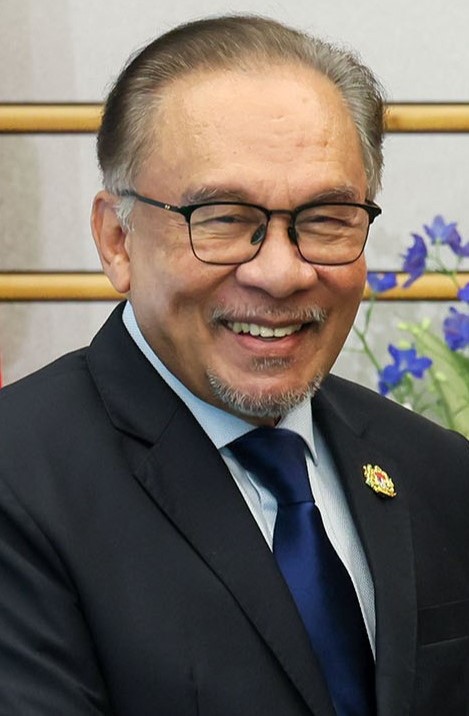
Dr Haim Hilman Abdullah, the assemblyman representing Jitra, is scheduled to appear before Seremban magistrate's court to face charges stemming from assertions he made earlier regarding pathways to higher education. The legal action marks a significant development in what appears to be an investigation into claims or statements the state representative had publicly made concerning university admission procedures or opportunities.
The decision to proceed with charges at the Seremban court indicates the matter has advanced beyond the investigative stage. This signals that authorities have gathered sufficient evidence to move toward formal proceedings, a step that typically follows extensive review and documentation by relevant agencies. The timing of the court appearance, scheduled for the following day from the announcement, suggests the case had been prepared in advance.
As an elected representative, Dr Haim Hilman's involvement in legal proceedings of this nature draws attention to the scrutiny faced by public figures in Malaysia. Assemblyman and parliament members increasingly find themselves subject to investigation when their public statements or conduct fall under question. This reflects broader institutional efforts to hold elected officials accountable for representations they make to constituents.
The specificity of the charges—relating to university admission claims—suggests the matter centres on concrete allegations rather than general misconduct. Higher education access remains a sensitive policy area in Malaysia, where competition for places at public universities is intense and admission criteria attract ongoing public debate. Any claims made by politicians regarding preferential treatment, backdoor access, or special pathways would naturally invite official scrutiny.
For Malaysian voters and particularly constituents of the Jitra state seat, such developments raise questions about the credibility of their representative's previous statements. The legal process will provide an opportunity to examine the basis and accuracy of whatever claims Dr Haim Hilman made concerning university admission. This transparency, though uncomfortable for the politician involved, forms part of the democratic accountability mechanism.
The Seremban magistrate's court venue indicates the matter may fall under the jurisdiction of that court based on legal procedures or the location where alleged offences occurred. Magistrate's courts in Malaysia handle preliminary proceedings and can try cases involving less serious offences, depending on the specific charges laid. The venue selection itself may provide clues about the nature and severity of the allegations.
From a regional perspective, this case reflects how Southeast Asian democracies grapple with ensuring political accountability while maintaining institutional independence. Malaysia's legal system continues to test its capacity to investigate and prosecute elected officials fairly, a challenge that neighbouring countries also navigate. The outcome could influence perceptions of judicial impartiality in political matters.
For the Jitra constituency, the proceedings may create uncertainty about representation and focus, particularly if the case extends over several court dates. Constituents may wonder whether their assemblyman can effectively discharge legislative and constituency duties while managing personal legal defence. The political ramifications could influence voter confidence and may even prompt discussions about whether interim arrangements should be considered.
The broader implications touch on political communication standards in Malaysia. Politicians regularly make claims about government programmes, admission processes, and bureaucratic access. This case, by subjecting such claims to legal examination, effectively sets boundaries on what representatives can assert without factual foundation. It reinforces that statements made to the public carry consequences if they cross into misrepresentation.
University admission itself remains contentious in Malaysian politics, with questions about merit-based selection, bumiputera quotas, and institutional transparency continuously debated. Politicians sometimes position themselves as advocates capable of facilitating access, a claim that can blur into suggesting irregular intervention. The charges against Dr Haim Hilman may centre on precisely this distinction between legitimate advocacy and improper influence claims.
The prosecution's decision to proceed signals confidence in its case, though the court process will provide the definitive examination. Malaysia's judicial system, despite periodic scrutiny of its political cases, maintains procedures designed to test evidence and protect defendants' rights. The proceeding against Dr Haim Hilman will follow these established protocols.
Observers will watch whether this case influences how politicians discuss higher education access going forward. If the charges are substantiated, it would represent a cautionary moment for elected officials to carefully verify claims before publicising them. Conversely, if the court finds insufficient foundation, it may demonstrate that even investigative processes can sometimes pursue cases without solid merit.
The appearance at Seremban magistrate's court represents a critical juncture for Dr Haim Hilman personally and professionally. Beyond the immediate legal outcome, the case touches on institutional questions about political accountability, the role of courts in examining public figures' statements, and the standards expected of elected representatives when they make promises or claims to constituents about navigating government systems.