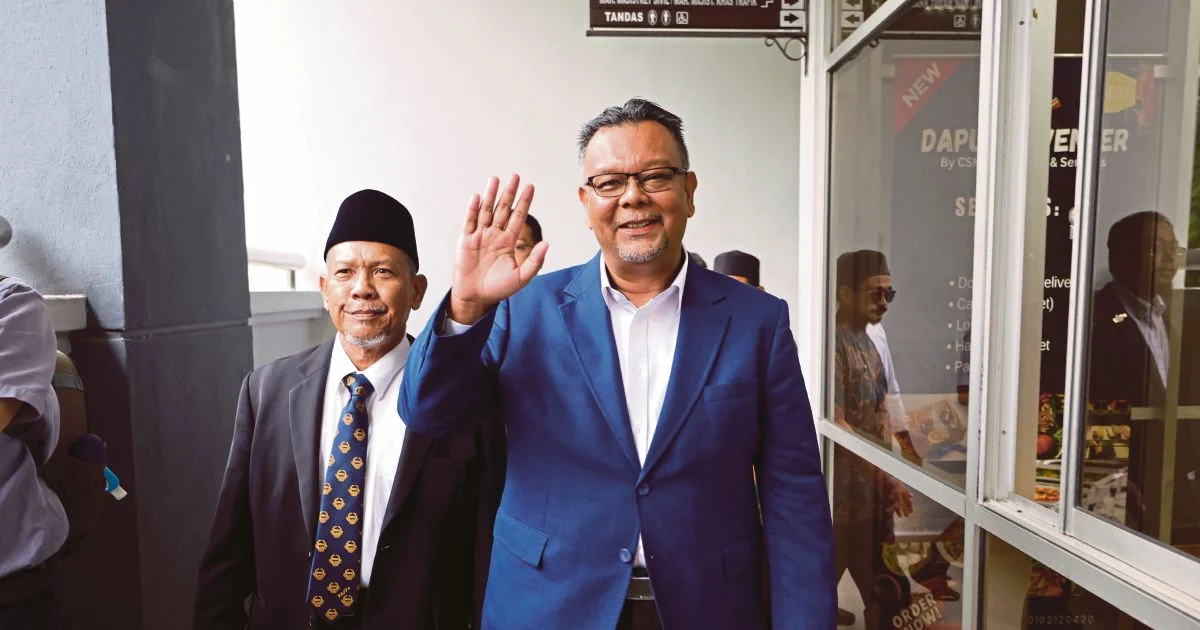
The political landscape in Kedah has been marked by fresh legal complications following Dr Haim Hilman Abdullah's court appearance in Seremban, where the Jitra state assemblyman formally rejected accusations that he made inflammatory public statements. The magistrate's court heard the case against the representative, who represents one of Kedah's key constituencies in the northern region of Peninsular Malaysia.
Dr Haim Hilman's decision to contest the charges reflects a broader pattern of political figures navigating Malaysia's robust legal framework governing public speech and conduct. The legislation underlying such prosecutions represents the authorities' attempt to maintain social harmony and prevent the dissemination of information deemed capable of generating unrest among the general population. These provisions exist within Malaysia's criminal framework as tools to safeguard public order, though they have occasionally drawn scrutiny from civil liberties advocates regarding their scope and application.
The assemblyman's case underscores the tensions that frequently emerge between political discourse and legal boundaries in the Malaysian context. Public figures, particularly those holding elected office, operate within a complex environment where their utterances carry heightened weight and potential consequences. The distinction between legitimate political commentary and statements crossing the threshold into incitement or alarm-inducing speech remains a contested area, with courts often tasked with making nuanced determinations on a case-by-case basis.
As a state assemblyman from Jitra, Dr Haim Hilman represents constituents across an important electoral division. His legal proceedings may influence political dynamics within Kedah, where the state legislature comprises representatives from competing political factions. The case draws attention to how individual politicians' legal troubles can reverberate through state politics and affect broader governance conversations. Such developments often prompt reflection among other elected representatives about the boundaries of permissible public communication.
The court proceedings in Seremban, the state capital of Negeri Sembilan, indicate that the case has been handled through the magistracy level, suggesting prosecutors deemed the alleged infractions suitable for adjudication at that judicial tier. The progression of the case through the Malaysian legal system will likely take months, with various procedural steps and potential witness testimony anticipated before final resolution. Malaysian courts have established considerable jurisprudence on speech-related offences, creating a body of precedent that will likely inform this matter.
For the broader Southeast Asian region, Dr Haim Hilman's case exemplifies ongoing discussions about political speech, public safety concerns, and the limits of governmental regulation. Countries across the region grapple with similar questions about how democratic systems can simultaneously protect free expression and maintain public order. Malaysia's approach, rooted in its constitutional framework and subsequent legislative developments, reflects particular concerns about social cohesion in a multi-ethnic, multi-religious society where inflammatory rhetoric poses tangible risks.
The not guilty plea signals that Dr Haim Hilman intends to contest the prosecution's allegations at trial, rather than accepting responsibility through guilty pleas or negotiated settlements. This approach typically necessitates a full evidentiary hearing where prosecutors must establish their case beyond reasonable doubt, with the defence presenting counterarguments and evidence. The outcome may depend substantially on how courts interpret the specific statements attributed to the assemblyman and whether those statements genuinely meet the legal threshold for causing public alarm.
Political observers have begun scrutinizing how this case might affect Dr Haim Hilman's political standing within Jitra and Kedah more broadly. Ongoing legal proceedings can complicate an elected representative's capacity to focus on constituency matters and legislative responsibilities, potentially diverting attention and resources toward legal defence. Constituents often monitor how their representatives navigate legal challenges, considering such matters when evaluating electoral choices at subsequent polling cycles.
The case also highlights the intricate relationship between media coverage and public perception in Malaysian politics. How newspapers, digital platforms, and social media outlets report on such proceedings can shape public understanding of the underlying allegations and the assemblyman's response. In an increasingly connected information environment, the narrative surrounding political legal cases develops across multiple channels simultaneously, influencing broader political discourse.
Looking forward, the judicial system's handling of this matter will generate insights into how Malaysian courts apply statutory provisions governing public speech in contemporary political contexts. Whether the court ultimately finds evidence supporting the charges against Dr Haim Hilman may establish precedent informing how similar cases are prosecuted and defended in future years. The outcome carries implications extending beyond the individual assemblyman to the broader landscape of political expression and legal accountability in Malaysia's democratic system.

