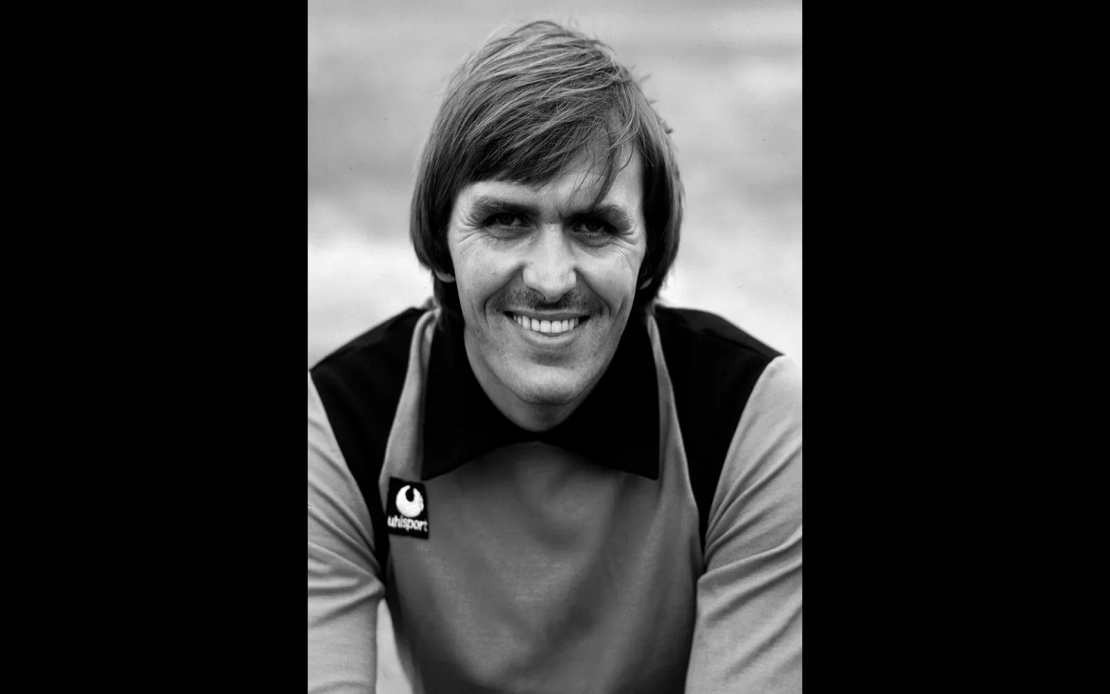
Jimmy Rimmer, the goalkeeper whose career was defined by triumph overshadowed by misfortune, has passed away at the age of 78. The former Aston Villa custodian became an unlikely symbol of football's cruel ironies—a man who earned European Cup winner's medals without ever completing a match in either final that secured them. His death marks the loss of a generation of English footballers who defined the sport during its most glamorous era.
Rimmer's most celebrated achievement came during Aston Villa's extraordinary 1980-81 season, when the Midlands club captured the English First Division title with the goalkeeper ever-present between the posts. That championship triumph represented the pinnacle of his playing career, a vindication of his qualities as a shot-stopper and leader. Yet it was what followed that would cement his place in football folklore, albeit in a manner no athlete would choose. The following year, Villa reached the European Cup final in Rotterdam, facing the formidable Bayern Munich in a continental showdown that represented English club football at its peak.
The narrative of that 1982 final in the Dutch city remains one of sport's most poignant tales. Rimmer lasted only nine minutes before a neck injury forced his withdrawal from the pitch, ending his participation in the match that would define his legacy. His replacement, backup goalkeeper Nigel Spink, responded to this unexpected opportunity with a performance of composure and skill that belied his inexperience. Spink's clean sheet proved decisive as Peter Withe's second-half goal secured a 1-0 victory and crowned Aston Villa as European champions—an achievement the club has never replicated across the four decades since that evening in Rotterdam.
This was not Rimmer's first experience of watching a European Cup triumph from the sidelines. Fourteen years before Rotterdam, as a younger player in Manchester United's squad, he had occupied a bench seat while his teammates defeated Benfica at Wembley in 1968. That earlier disappointment had set the pattern for a career marked by proximity to greatness combined with persistent exclusion from its defining moments. Rimmer collected two European Cup winner's medals despite never completing a full match in either final—a distinction that perhaps no other goalkeeper has endured, making his career a study in sporting injustice.
Aston Villa's official statement captured the bittersweet nature of his legacy, describing Rimmer as one of the finest goalkeepers of his generation while acknowledging that he was simultaneously among the most unfortunate when circumstances conspired against him in crucial encounters. The club's recognition that he holds two European Cup medals despite never finishing either final speaks to a particular species of heartbreak familiar to professional athletes—the paradox of winning without experiencing the full measure of victory.
Rimmer's early career had been spent at Old Trafford, where he competed for the number one position against Alex Stepney during an era when Manchester United were rebuilding after their European success. Unable to displace Stepney and facing limited first-team opportunities, Rimmer moved to Arsenal in 1974, seeking regular employment. Three years later he joined Aston Villa, where he would eventually establish himself as a dependable and accomplished performer at the highest level of English football.
His years at Villa Park encompassed both his greatest triumph and his most devastating disappointment. After the Rotterdam final and Spink's subsequent establishment as the club's number one goalkeeper, Rimmer's role diminished significantly. By 1983, a year after that fateful evening in the Netherlands, he was sold to Swansea. Before departing, he had made over 200 appearances for the Midlands club, a considerable contribution that underscored his value as a consistent, professional performer during the club's most successful period.
For Malaysian football enthusiasts and Southeast Asian observers of the sport, Rimmer's story illuminates a broader theme about the unpredictability of sporting fortune and the narrow margins that separate glory from obscurity. His career coincided with an era when English clubs dominated European competition, and Aston Villa's 1982 triumph represented perhaps the last moment of such sustained dominance by the English league at the continental level. The injury that befell Rimmer in Rotterdam remains a reminder that professional sport operates according to principles beyond skill, dedication, and preparation alone.
Rimmer passed away with his legacy secure as a holder of the continent's most prestigious club trophy, yet simultaneously enshrined in the particular history of missed opportunities that football sometimes chronicles. His generation of goalkeepers—including contemporaries like Spink, Stepney, and others—represented a particularly accomplished cohort of English custodians, and Rimmer's passing marks the gradual departure of those who shaped English football's post-war trajectory. He leaves behind a record of professional accomplishment tinged with the melancholy that only those who have touched greatness without fully grasping it can truly understand.

