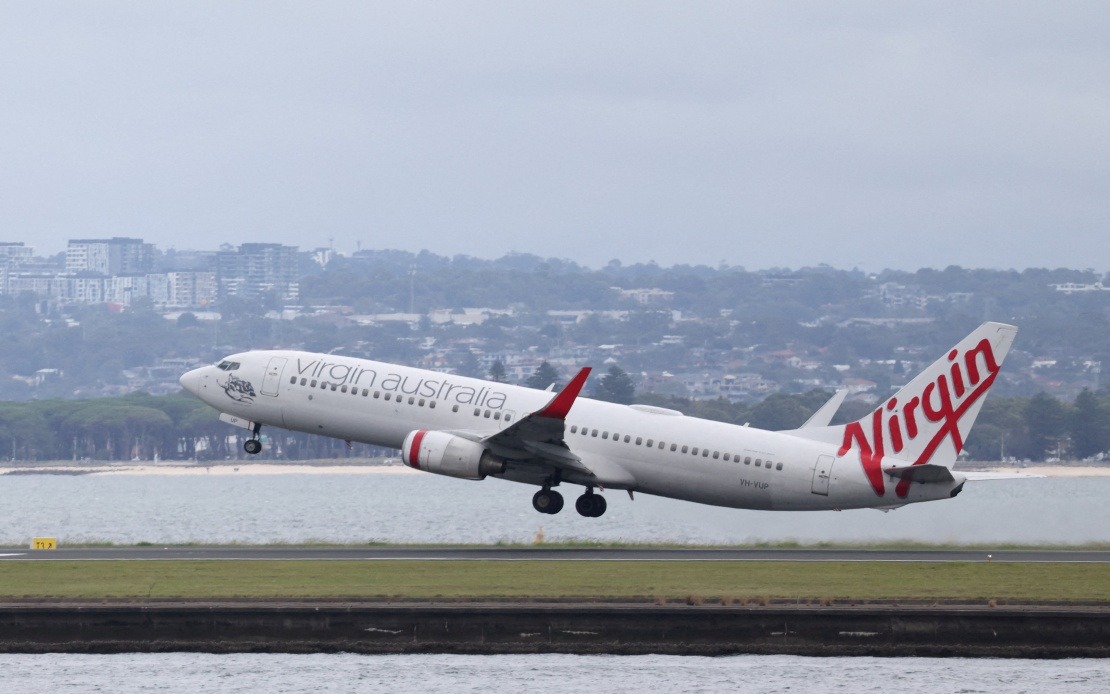
A crew member working aboard a Jetstar Airways flight sustained injuries during a tense moment on a Sydney Airport runway on Sunday morning when two aircraft came within dangerous proximity of each other. The incident unfolded as Jetstar flight JQ402, preparing for departure to the Gold Coast, was taxiing down the runway around 7 am Australian Eastern Standard Time. The aircraft's pilots were forced to execute an emergency braking maneuver after a Qatar Airways Boeing 777, which was being towed while empty, unexpectedly entered their flight path. The resulting impact of the sudden deceleration on the cabin crew member required immediate medical attention, with paramedics treating the injured worker at the scene. Fortunately, the roughly 180 passengers on board the Jetstar flight did not sustain injuries during the incident.
Jetstar Airways, which operates as a wholly-owned subsidiary of the larger Australian carrier Qantas, has initiated a formal investigation into the circumstances surrounding the near-collision. In a statement released following the incident, a company representative emphasised that their aircraft was adhering to instructions provided by Sydney Airport's air traffic control operations. The spokesperson noted that the pilots had complied fully with directing orders when they received instructions to brake firmly, explaining that the evasive action became necessary only when the Qatar Airways aircraft came into close proximity without warning. This account raises important questions about the coordination protocols between ground operations and air traffic control during aircraft towing procedures, a critical safety consideration at one of the Southern Hemisphere's busiest aviation hubs.
The timing of this incident carries particular significance given the operational stresses affecting Sydney Airport in the days immediately preceding it. Over the course of Friday and Saturday, more than 250 flights departing from Sydney experienced delays, a disruption directly attributed to staff shortages within Airservices Australia, the government agency responsible for providing air traffic control and related aviation services across Australia's primary airports. These systemic staffing pressures create compounding challenges for airport operations, potentially contributing to the heightened complexity of ground movements and communications that may have factored into Sunday's near-miss.
Airservices Australia's staffing difficulties underscore broader challenges facing Australia's aviation infrastructure at a time when passenger and cargo demand continues to rebound following pandemic-related disruptions. The congestion and delays experienced over the weekend reflected capacity constraints that extend beyond mere flight scheduling, touching upon the fundamental ability of air traffic management systems to safely coordinate the intricate dance of aircraft movements on runways and taxiways. For Malaysian travellers and airline operators with connections through Sydney, such disruptions and safety incidents serve as reminders of the interconnected nature of regional aviation networks and how operational challenges in major hub airports ripple across the Asia-Pacific region.
Sydney Airport itself has been experiencing considerable pressure from rising passenger volumes, particularly on regional routes connecting to destinations like the Gold Coast, which attracts substantial international and domestic tourism. The Jetstar flight involved in Sunday's incident operates within this busy regional market, carrying passengers on one of Australia's most frequently travelled routes. The airline's low-cost carrier model, which has made air travel more accessible across Australian regions, also means that incidents affecting Jetstar operations can impact larger numbers of passengers relative to full-service competitors.
The investigation now underway will likely examine multiple contributing factors, including communication protocols between the tower and ground operations personnel managing the Qatar Airways aircraft tow, visibility conditions, and the positioning procedures employed during peak operational periods. Modern aircraft accident and incident investigations in Australia operate under rigorous international standards, and any findings from this inquiry could potentially inform safety procedure reviews not only at Sydney Airport but across Australia's aviation system. Such investigations also typically result in recommendations that influence industry practices more broadly throughout the Asia-Pacific region.
For aviation safety specialists, runway incursions and near-miss incidents represent critical learning opportunities, particularly in an era when airport ground operations have become increasingly complex due to larger aircraft, higher traffic volumes, and more sophisticated but occasionally error-prone automated systems. The fact that this incident resulted in crew injuries rather than catastrophic aircraft damage underscores how quickly situations can escalate without proper preventive controls. The injured crew member's recovery and the thoroughness of the investigation will be matters of close attention within Australia's aviation community and beyond.
Qatar Airways, as the operator of the aircraft involved, may also conduct parallel investigations into the incident, particularly regarding the towing procedures and safety protocols employed during ground operations. International carriers operating from Australian airports must comply with strict local regulations while maintaining alignment with their own corporate safety standards, creating a complex regulatory environment that demands constant vigilance from all parties involved.
Looking forward, incidents such as this typically trigger reviews of staffing adequacy at aviation authorities, the effectiveness of ground control communications, and the design of runway movement protocols. For Southeast Asian carriers and operators with regular Australian operations, the outcome of investigations into Sydney Airport incidents carries direct implications for safety planning and risk management strategies. As the region continues to experience growth in aviation activity, learning from such near-misses becomes increasingly valuable in maintaining the safety record that has made Asia-Pacific aviation among the world's safest.

