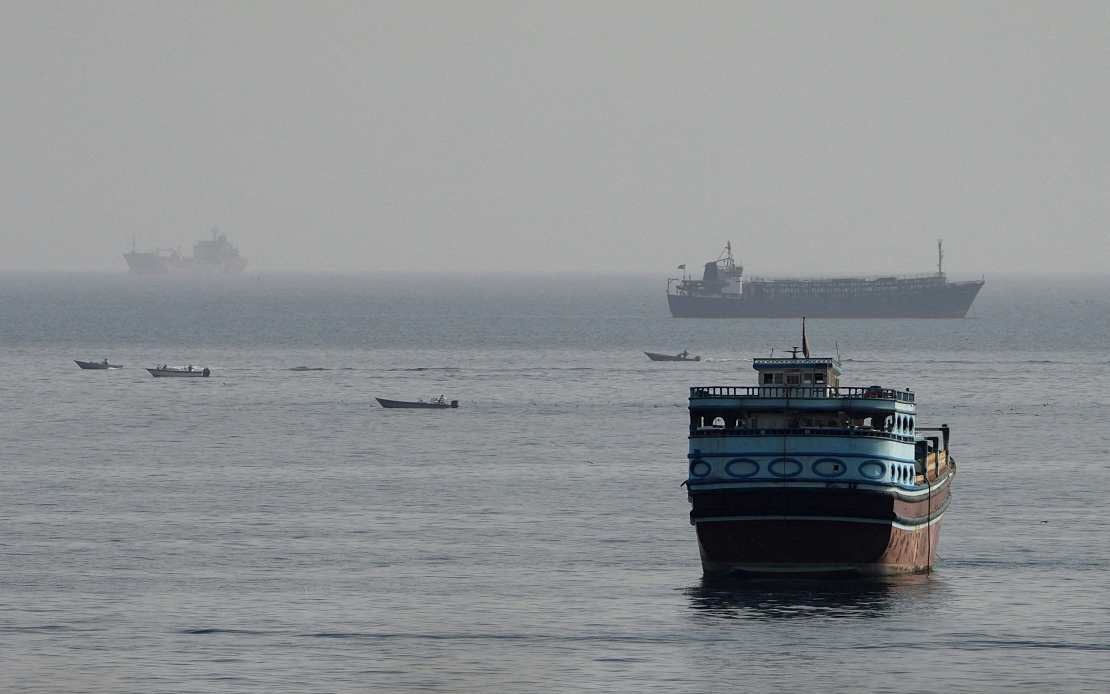
Japanese Prime Minister Sanae Takaichi has made a direct appeal to Iran's leadership to refrain from imposing additional fees on vessels transiting the Strait of Hormuz, underscoring Tokyo's concern about the chokepoint's effective closure as diplomatic talks between Washington and Tehran remain stalled. During a telephone conversation with Iranian President Masoud Pezeshkian on Wednesday, Takaichi emphasized that the commercially vital waterway must remain open and accessible without extra charges, a position reflecting Japan's substantial dependence on Middle Eastern crude oil imports and its interest in maintaining stable global energy markets.
The phone call between the two leaders represented their first direct engagement since June and their fourth conversation since the onset of the US-Israeli military operations against Iran in late February. Although Japan maintains close strategic alignment with the United States, Tokyo has consistently pursued a balancing act in the Middle East, cultivating and preserving diplomatic relationships with Iran despite international sanctions and geopolitical tensions. This latest exchange demonstrates Tokyo's attempt to leverage whatever diplomatic channels remain open to prevent further deterioration of maritime security in the Persian Gulf region.
Beyond the Hormuz situation, Takaichi conveyed Japan's "deep concern" regarding escalating instability in the Bab el-Mandeb Strait, another critical chokepoint located on the opposite side of the Arabian Peninsula. The Japanese Prime Minister specifically requested that Iran use its political influence to persuade the Houthi rebels in Yemen—who maintain close ideological and operational ties with Tehran—to demonstrate greater restraint in their maritime operations. This dual-strait concern reflects the interconnected nature of global energy security, where disruptions in one waterway have cascading effects on alternative routes and shipping patterns throughout the region.
The Houthi movement, which has declared what it terms a "maritime blockade" targeting Saudi Arabian vessels since July, has demonstrated a willingness to conduct armed attacks against commercial shipping. Most recently, Yemeni authorities reported that the rebel group launched a deadly assault on a cargo vessel operating within the Bab el-Mandeb Strait, further destabilizing what has increasingly become an alternative corridor for global crude oil transportation. The deteriorating security situation in the strait stems directly from the Houthis' stated opposition to Israeli actions in Gaza and their broader alignment with Iran's regional interests.
The practical consequence of these overlapping maritime crises is that global energy markets face compressed alternatives for moving oil from the Middle East to international markets. With the Strait of Hormuz effectively restricted due to the frozen US-Iran negotiation process, shipping companies and oil traders have been forced to rely more heavily on the Bab el-Mandeb route through the Red Sea and Indian Ocean. However, Houthi military capabilities and their demonstrated willingness to target commercial vessels have made this alternative passage increasingly risky and expensive, with insurance premiums and rerouting costs rising significantly.
For Malaysia and other Southeast Asian economies, the implications of sustained disruption in these strategic waterways extend beyond simple energy price volatility. As import-dependent nations with sophisticated manufacturing sectors, Malaysia and its regional neighbors face potential supply chain disruptions and elevated transportation costs. The situation also underscores the vulnerability of Asian economies to Middle Eastern political instability, particularly given that a substantial portion of regional crude oil consumption originates from the Persian Gulf region. Energy security concerns translate into broader economic risks for countries competing in global manufacturing and export markets.
Takaichi's diplomatic initiative reflects Japan's pragmatic approach to the crisis, seeking to de-escalate tensions through direct engagement rather than confrontation. Japan, despite being a close ally of the United States, has historically maintained nuanced relationships with Middle Eastern states, recognizing that its energy security depends on stable interactions with major oil-producing nations. The Prime Minister's public emphasis on the importance of unrestricted Hormuz passage also signals to Japanese industry and financial markets that Tokyo is actively working to preserve critical energy supply routes, attempting to provide confidence during uncertain times.
The Iranian side's response to Japanese diplomatic overtures remains significant, as Pezeshkian's government faces international pressure while managing domestic political constraints. Any Iranian agreement to facilitate Houthi restraint or to refrain from imposing Hormuz transit fees would represent diplomatic movement, though the extent to which Tehran can control proxy forces like the Houthis remains debatable. The Yemeni rebels operate with considerable autonomy, and their military operations appear driven by their own regional strategic calculations as much as by Iranian direction.
The broader geopolitical context matters considerably here. The frozen US-Iran diplomatic process has left little room for negotiated resolution of maritime security issues, and without direct channels between American and Iranian officials, regional allies like Japan must attempt to bridge the diplomatic divide. However, the limitations of such mediation efforts become apparent when core strategic interests remain fundamentally misaligned, and proxy forces operate with their own operational imperatives.
For Southeast Asian policymakers, this situation demonstrates the region's exposure to distant crises that can rapidly escalate into regional economic consequences. The ability of relatively small armed groups like the Houthis to disrupt global energy flows illustrates how modern conflict operates at the intersection of politics, economics, and maritime security. Malaysia and other ASEAN members have interests in advocating for free and open navigation in international waters, principles that directly apply to both the Strait of Hormuz and the broader Indo-Pacific region where Southeast Asia's own maritime interests lie.
Looking forward, the sustainability of current maritime routing patterns appears precarious, dependent on whether diplomatic efforts can succeed in calming tensions or whether the situation continues deteriorating. Japan's intervention through diplomatic channels represents one small piece of a much larger puzzle involving American, Iranian, Saudi, Israeli, and broader international interests. The outcome of these competing dynamics will significantly influence energy prices, shipping costs, and ultimately the economic prospects of import-dependent Southeast Asian economies throughout the remainder of the year.

