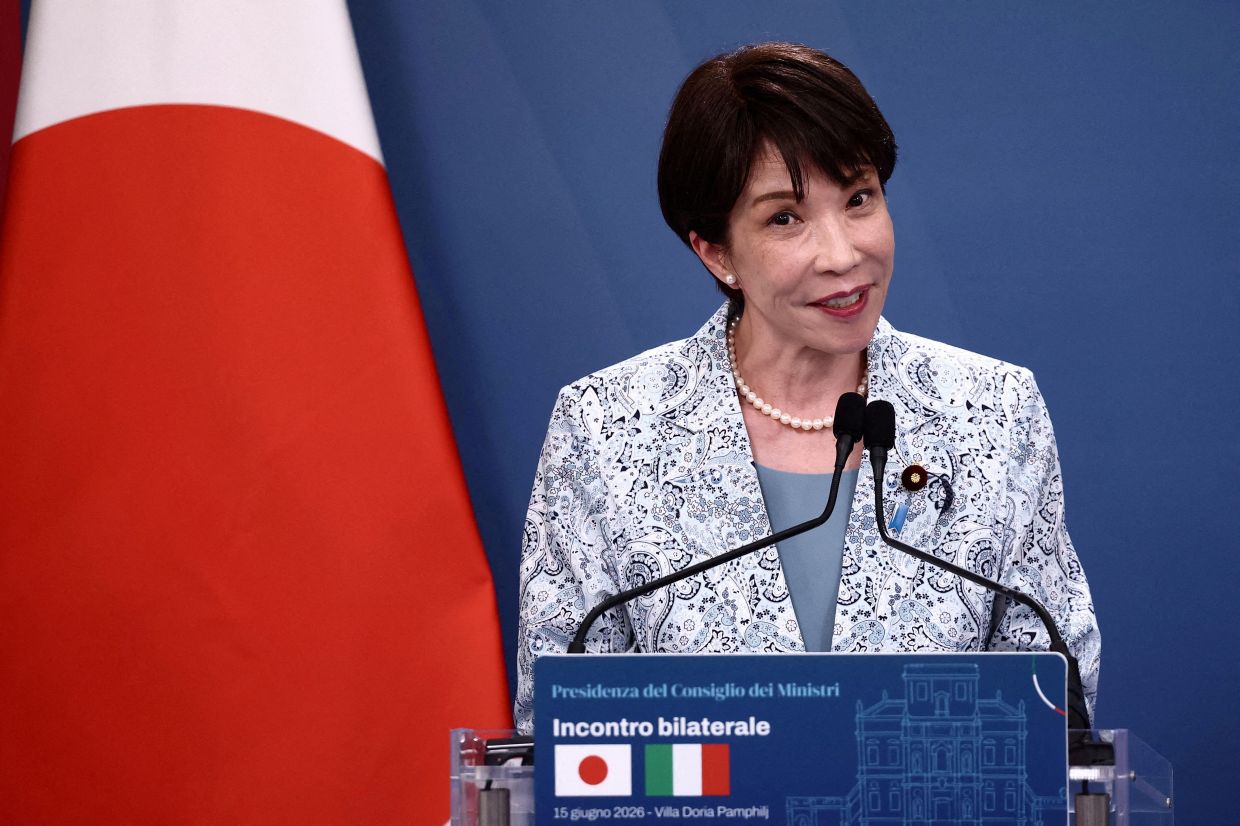
Prime Minister Sanae Takaichi's administration in Japan has reached a significant political milestone this week as public backing slipped into minority territory. A Jiji Press opinion survey released Thursday showed support for her cabinet at 49 per cent, marking the first occasion since she assumed office in October that approval has dipped below the psychologically important 50 per cent threshold. The shift signals potential challenges ahead for Japan's first female prime minister as she navigates domestic and international pressures that have accumulated over her nine months in power.
The erosion of support proves particularly pronounced among Japan's older demographic. Voters aged 60 and above—traditionally a reliable constituency for conservative governments—withdrew backing substantially, with their approval plummeting from 63.7 per cent in the previous month to just 39.9 per cent. This dramatic 24-point reversal among senior citizens represents the steepest decline across any age cohort measured in the survey, suggesting that Takaichi faces a generational credibility challenge that extends beyond simple policy disagreement. For a prime minister elected partly on promises of fresh leadership, losing ground most sharply among voters with the longest memories of Japan's political past represents a notable vulnerability.
Among those citizens still supporting Takaichi's administration, the appeal continues to rest on personal qualities rather than specific accomplishments. Supporters frequently cite her leadership capacity and perceived trustworthiness as primary reasons for maintaining their backing. These attributes—particularly the historic significance of Japan's first woman reaching the nation's highest office—have provided some insulation against broader policy criticism. Nevertheless, this personalised foundation of support can prove fragile when confronted with substantive governance challenges.
Those expressing disapproval of the cabinet paint a starkly different picture. The most commonly cited reasons for withdrawal of confidence cluster around vague dissatisfaction, with respondents indicating they "cannot hope for much" from her government and questioning the quality of policy direction more broadly. Such phrasing suggests neither sharp ideological opposition nor single-issue discontent, but rather a diffuse erosion of confidence in the administration's capacity to address national concerns effectively. This type of disapproval often proves more intractable for leaders since it reflects generalised doubt rather than mobilisable opposition around specific grievances.
The contrast between Takaichi's current standing and her triumphant position just months ago underscores how swiftly political fortunes can shift in Japan. In February, she secured a commanding victory in snap lower house elections that appeared to consolidate her political dominance. That electoral mandate drew strength from particular constituencies, most notably young voters who found her diplomatic approach, personal relatability, and symbolic value as a change agent genuinely compelling. Her February victory suggested she had successfully assembled a winning coalition that transcended age groups and provided genuine momentum for her agenda.
Several substantive policy initiatives have complicated her international standing and domestic consensus in the intervening months. Most significantly, Takaichi's November remarks suggesting that Japan could intervene militarily if Taiwan faced attack from China sparked sharp diplomatic friction with Beijing, which regards the self-governed island as breakaway territory. For Malaysian and broader Southeast Asian observers, this statement carried particular weight given the region's economic dependence on Chinese trade and its careful navigation of superpower competition. Japan's apparent willingness to escalate military commitment in Taiwan's defence sent tremors through regional calculations about alliance dependencies and conflict risk.
A second flashpoint emerged more recently when nearly 150 Japanese academics signed a petition directed at lawmakers opposing Takaichi's legislative push to criminalise desecration of Japan's national flag. This initiative, which many scholars view as threatening intellectual freedom and constitutional protections for expression, mobilised intellectual opposition and raised concerns about democratic backsliding. The academic petition represents a form of dissent that carries particular resonance in Japanese political culture, where intellectual circles maintain considerable soft power and cultural influence. When prominent scholars move toward formal opposition, it signals that reservations extend beyond fringe constituencies.
While Takaichi's government has benefited from one significant tailwind—a measurable slowdown in inflation over recent months—this silver lining possesses limited political staying power. The price pressures that had accumulated under her two immediate predecessors had become catalysts for their rapid departures from office. That inflationary cycle appears to have peaked and begun reversing, providing some relief at household budgets. However, inflation's moderation arrives too late to preserve the political goodwill that her predecessors squandered, and such economic improvements rarely generate enthusiasm matching the resentment created by the inflationary period itself.
For Malaysia's political observers, Takaichi's declining approval trajectory offers instructive lessons about the limitations of novelty and personality-based political appeal. While her identity as Japan's first female prime minister generated genuine enthusiasm among younger voters seeking change, that novelty advantage inevitably erodes once governance realities collide with campaign symbolism. The speed with which Japanese voters have reassessed their backing—moving from strong February elections to sub-50 per cent approval by mid-July—demonstrates that even commanding electoral mandates provide limited insulation when policy direction diverges sharply from public expectations or international complications arise.
Looking forward, Takaichi faces the challenge of reconstructing confidence among voters, particularly older demographics whose withdrawal of support proved most significant in this latest survey. Whether she can reorient her policy agenda toward issues commanding broader consensus, or alternatively whether she might double down on her distinctive platform betting on youth and change-oriented constituencies, will significantly shape Japan's political trajectory and regional implications for Southeast Asian states monitoring developments among their key security partners.

