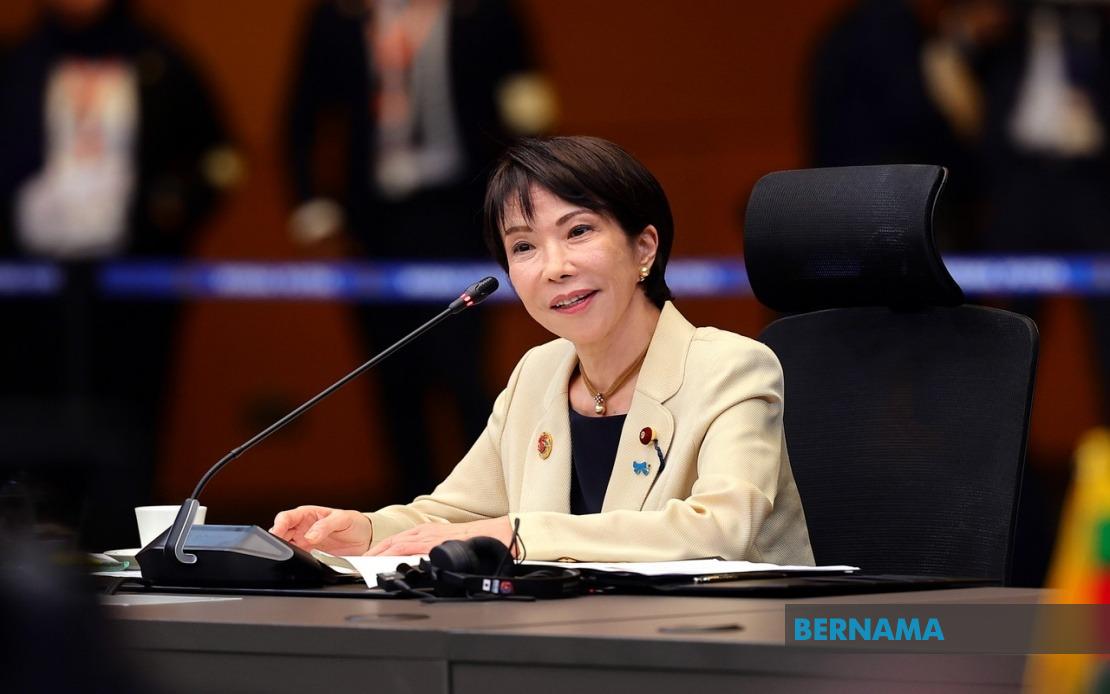
Japanese Prime Minister Sanae Takaichi has escalated diplomatic efforts to secure stable shipping conditions through the Strait of Hormuz, one of the world's most critical trade arteries, by directly appealing to Oman's Sultan Haitham bin Tariq al-Said during Monday telephone discussions. The timing of the engagement underscores growing concerns among Asian economies about the fragility of global supply chains amid the prolonged stalemate between United States and Iranian negotiators on nuclear-related matters.
The Strait of Hormuz represents a vital chokepoint for international commerce, with roughly one-third of all seaborne traded oil passing through its narrow waters daily. For resource-dependent economies like Japan and other Southeast Asian nations, including Malaysia, any disruption to this passage threatens energy security and manufacturing competitiveness. Takaichi's direct intervention reflects Tokyo's anxiety about the deteriorating geopolitical situation in the Middle East and its cascading effects on Asian economies deeply reliant on stable energy imports.
Oman occupies a uniquely influential position in the region, having historically maintained balanced diplomatic relations with both Iran and Western powers. The sultanate has previously served as a backchannel for international negotiations and has demonstrated willingness to engage constructively with all parties in regional disputes. Japan's decision to approach Sultan Haitham directly appears calculated to leverage Oman's diplomatic credibility and its ongoing dialogues with Tehran, which according to reporting are partly focused on maritime trade routes through the contested waters.
The substance of Takaichi's message centred on appealing for the restoration of what Japan characterises as free and safe passage through the strategic waterway. This phrasing is politically significant, as it addresses both the principle of unobstructed commerce and the physical security concerns that have prompted shipping companies to demand additional premiums and insurance for vessels transiting the region. Incidents of ship seizures, drone attacks, and maritime harassment have transformed the Strait of Hormuz from a routine commercial corridor into a zone of heightened tension.
The Sultan's reported response—that Oman would consult with and respect the perspectives of countries relying on the waterway—suggests diplomatic openness while stopping short of firm commitments. This measured stance reflects Oman's careful balancing act between maintaining its relationship with Iran while not alienating Western allies and Asian trading partners. For Japan, the response likely provided sufficient diplomatic encouragement to justify the conversation, even without concrete guarantees.
The broader context involves the ongoing failure of multilateral nuclear negotiations involving Iran, the United States, and other signatories to the Joint Comprehensive Plan of Action. As these formal diplomatic channels have become increasingly strained, regional powers and affected trading nations are attempting to influence outcomes through bilateral channels and regional intermediaries. Japan's approach complements broader efforts by Asian economies to stabilise the Middle East situation without directly inserting themselves into the Iran-US confrontation.
Malaysia and other Southeast Asian nations share Japan's vulnerability regarding Hormuz passage disruptions. The region's manufacturing sectors depend on predictable energy costs and reliable supply chains. Any prolonged instability in the Strait threatens not only direct energy imports but also the broader network of global trade that underpins the region's economic growth. This shared interest creates potential for coordinated regional responses to maritime security challenges in the Persian Gulf.
Oman's mediatory role extends beyond the Hormuz question to encompass broader regional stability. The country's demonstrated capacity to maintain diplomatic channels with Iran—even as its Arab neighbours have pursued increasingly confrontational policies—positions it as an indispensable interlocutor for powers seeking to manage rather than escalate tensions. Japan's engagement with Sultan Haitham therefore represents a sophisticated attempt to work through existing regional architecture rather than attempting direct pressure.
The Japanese Prime Minister's office public disclosure of these conversations indicates Tokyo's intent to signal commitment to maritime security and free trade principles to domestic audiences and international partners. Such transparency also serves to reinforce the international norm that the Strait of Hormuz should remain open to commerce regardless of political tensions. This messaging carries particular weight given Japan's historical role as a major trading nation and its consistent advocacy for rules-based international order.
Looking forward, Japan's diplomatic initiative suggests preparation for a potentially extended period of US-Iran tensions. Rather than betting on imminent resolution of nuclear negotiations, Tokyo appears to be building diplomatic infrastructure to manage ongoing risks. This pragmatic approach—engaging trusted intermediaries rather than confronting the principal parties—offers a template that other Asian economies might emulate as they navigate great power competition affecting their vital interests.
For regional observers, Takaichi's intervention underscores how Middle Eastern geopolitical developments reverberate across Asia's economic structures. The Strait of Hormuz remains less a bilateral Iranian-American concern and more a multilateral issue affecting dozens of nations' interests. Japan's active diplomacy reflects recognition that Asian economies cannot remain passive bystanders to developments that threaten their prosperity and security.

