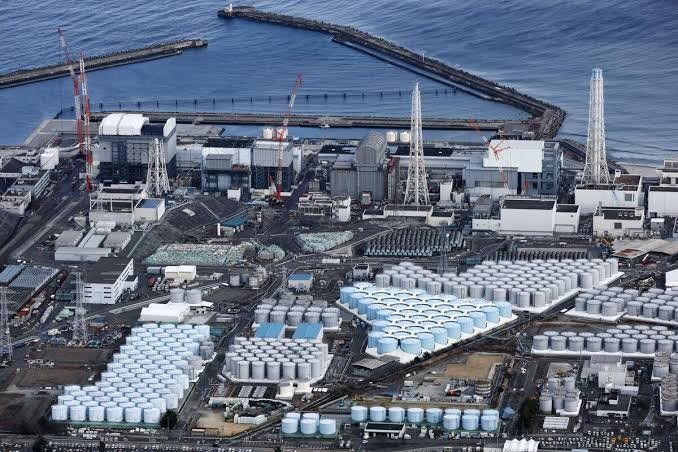
Tokyo Electric Power Company Holdings Inc. reached a significant milestone on Monday, August 24, marking the completion of three years since it began systematically releasing treated radioactive water from the damaged Fukushima nuclear facility into the Pacific Ocean. The discharge programme has now processed approximately 172,700 tonnes of treated water across 22 sequential operations, substantially reducing the accumulated inventory that had accumulated at the site since the devastating 2011 earthquake and tsunami triggered one of the world's worst nuclear disasters.
The release initiative has proven effective in managing the facility's ongoing waste challenge. Storage tank volumes containing processed water have declined by 7.6 per cent to approximately 1.24 million tonnes. More significantly, Tokyo Electric Power has successfully dismantled 17 storage tanks out of roughly 1,000 originally deployed across the facility, permanently removing decommissioned infrastructure as the plant progresses toward full remediation. This physical removal of tanks represents tangible progress in clearing space for additional decommissioning operations that remain necessary to restore the site.
The company's long-term roadmap envisions completing all water releases by 2051, aligning with the broader decommissioning schedule for Fukushima Daiichi. This three-decade trajectory reflects the extraordinary complexity and scale of managing a post-meltdown nuclear facility while maintaining rigorous safety protocols. The treatment process itself has become increasingly streamlined, with Tokyo Electric Power recently implementing modifications permitting continuous transfers between intermediate holding tanks, enabling eight scheduled releases during fiscal year 2026 rather than the previous four annually.
International oversight of the discharge programme remains robust and transparent. The International Atomic Energy Agency conducts independent monitoring alongside Japanese government inspectors and Tokyo Electric Power representatives, creating a tripartite verification framework. Throughout the entire three-year operation, these combined monitoring efforts have detected no abnormal tritium concentrations in surrounding seawater or marine organisms, providing scientific validation that the treatment and dilution protocols are functioning as designed. The treated water undergoes extensive purification via advanced liquid processing systems before being diluted to concentrations less than one-fortieth of Japan's domestic safety limits, then discharged from a point approximately one kilometre offshore.
The genesis of this programme traces to April 2021, when Japan's government determined that releasing processed water represented the most practical pathway for managing the facility's accumulated inventory. Following the catastrophic reactor cooling failure in 2011, approximately 60 tonnes of radioactive wastewater continues to be generated daily at Fukushima Daiichi as residual heat from damaged fuel demands ongoing cooling interventions. Releasing treated water would liberate tank storage space essential for constructing a facility capable of extracting melted fuel debris—perhaps the most critical remaining technical challenge in full decommissioning. Despite these compelling operational reasons, Tokyo Electric Power encountered significant resistance from Japan's fishing industry upon commencing operations on August 24, 2023, reflecting deep-seated concerns among maritime communities about potential market impacts and public perception.
China's response to the discharge initiative has dramatically illustrated the geopolitical dimensions of nuclear safety policy. As Japan's historically largest importer of seafood products, China implemented a complete embargo on all Japanese seafood imports beginning the day releases commenced. Though China indicated in June of the previous year that it would selectively lift restrictions except for 10 prefectures including Fukushima itself, the country has effectively maintained comprehensive import suspensions. This continued blockade appears inextricably linked to diplomatic tensions stemming from Prime Minister Sanae Takaichi's November statements suggesting Japan might become militarily involved should a crisis develop regarding Taiwan, rather than scientific objections to the water treatment programme. Russia and several other nations have similarly maintained import restrictions on Japanese seafood products, compounding economic challenges for Japanese fishing operations and food exporters.
The economic consequences for Japan's maritime sector have been substantial and measurable. Tokyo Electric Power has compensated affected businesses for operating losses attributable to the discharge programme, with approximately 1,100 compensation cases totalling around 92.8 billion yen (approximately US$585 million) as of early August. The company's data reveals that compensated losses predominantly stem from Japanese exporters' inability to supply scallops and sea cucumbers to Chinese and Hong Kong markets—demonstrating how geopolitical trade tensions have translated into direct financial harm for aquaculture and seafood processing enterprises that possess no direct operational connection to nuclear power generation.
For Southeast Asian policymakers and trading communities, Fukushima's experience offers crucial lessons regarding nuclear facility management, international environmental governance frameworks, and the intersection of energy infrastructure with regional trade dynamics. Malaysia and neighbouring countries that depend significantly on Japanese seafood imports have witnessed firsthand how nuclear incidents can disrupt supply chains and create market uncertainty, even when scientific evidence supports safety claims. The rigorous international monitoring protocols established at Fukushima represent a model for transparency that might inform future regional agreements governing cross-border environmental impacts and contamination concerns. Additionally, the protracted timeline extending to 2051 underscores how nuclear decommissioning represents an extraordinarily expensive, technically demanding, and diplomatically complex undertaking requiring sustained political commitment across multiple decades.
Tokyo Electric Power's commitment to transparent communication about the discharge programme remains central to managing stakeholder concerns. Akira Ono, the company's chief decommissioning officer, emphasized at recent press conferences that releases have proceeded safely and that TEPCO remains dedicated to disseminating accurate scientific information while fulfilling its financial obligations toward affected industries. The company's willingness to compensate businesses based on demonstrated losses—rather than contesting claims—reflects recognition that economic impacts extend far beyond the immediate vicinity of the facility. This approach acknowledges that seafood trade embargoes, regardless of their underlying justifications, impose real consequences on supply chains and livelihoods throughout Japan's fishing communities and export sectors.

