Japan's Cabinet moved forward on Tuesday with a legislative package designed to shore up the country's increasingly strained imperial succession system, backing a bill to revise the 1947 Imperial House Law in response to mounting concerns about the family's diminishing size and heir pool. Prime Minister Sanae Takaichi's Liberal Democratic Party and its coalition partner, the Japan Innovation Party, are pushing to enact the measure before the current parliamentary session concludes on July 17, signalling the government's determination to address a constitutional concern that has shadowed Japanese politics for years.
The proposed legislation hinges on two primary mechanisms to manage the imperial succession challenge. First, it would permit the imperial family to adopt males aged 15 or older who trace their descent through the male line to emperors and belong to one of 11 former branch families—a category encompassing a substantial pool of potential successors. Second, it would fundamentally alter the centuries-old practice by allowing female members of the imperial family to retain their imperial status and privileges even after marrying non-royal individuals, a change that recognises modern realities while maintaining male-line continuity.
Crucially, the bill creates a legal exception to an existing prohibition on adoption within the imperial system, though it notably prevents the adopted individuals themselves from ascending the Chrysanthemum Throne. However, their male descendants would remain eligible to become emperor—a provision that essentially preserves the patrilineal succession model while expanding the potential candidate pool across generations. This compromise reflects the deep conservatism embedded within Japan's ruling establishment regarding the imperial institution, an approach that has characterised the Liberal Democratic Party's approach to this sensitive constitutional matter.
The genesis of this legislation traces back to 2021, when a government advisory panel first proposed these two reform pillars following years of demographic and institutional pressure. Notably, that panel explicitly declined to examine whether female members could ascend the throne directly or whether individuals descended from emperors through the maternal line might become eligible—determinations that the panel deemed premature at that time. The deliberate skirting of these more transformative possibilities reveals the political tightrope that policymakers must walk between modernisation and tradition.
Opposition to the measure appears likely during Diet proceedings, given that cross-party parliamentary discussions preceding the bill's drafting barely engaged with proposals for fundamental changes to succession rules. When speakers and vice speakers from both chambers consulted all 13 parties and political groups before compiling their working "consensus," female succession and matrilineal eligibility remained conspicuously absent from productive dialogue. The resulting legislative framework therefore reflects institutional caution rather than a genuine national conversation about the imperial system's future shape.
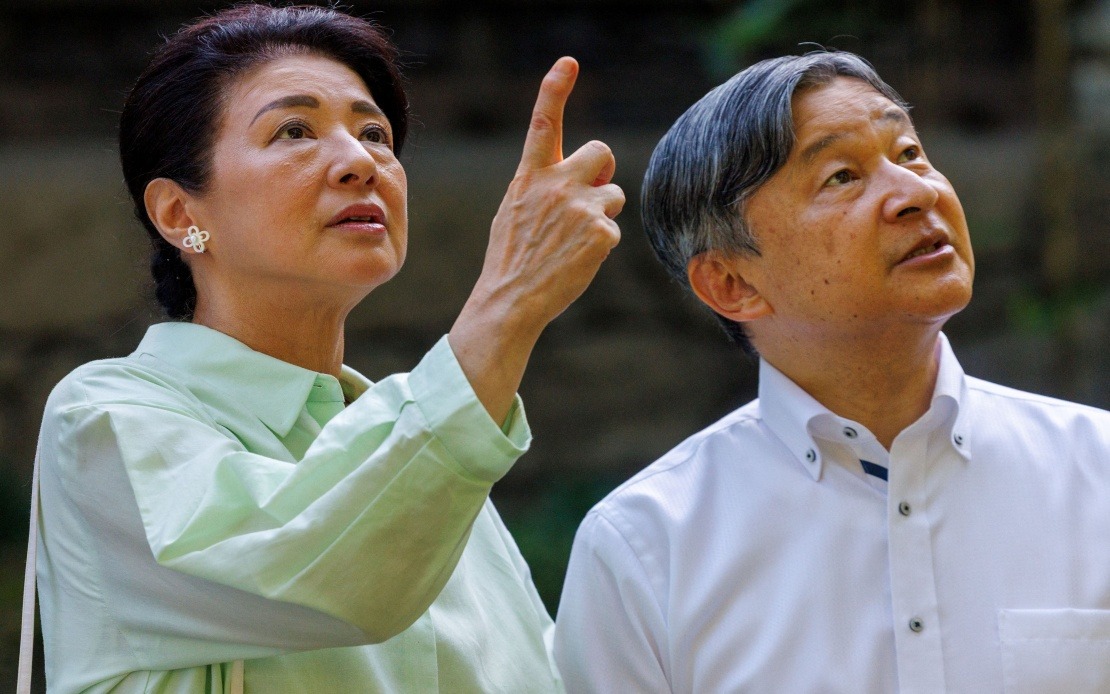
The current imperial succession architecture has become increasingly precarious in practical terms. Emperor Naruhito, now 66 years old, has only three identifiable heirs: his younger brother Crown Prince Fumihito, aged 60; his nephew Prince Hisahito, aged 19; and his uncle Prince Hitachi, who is 90. This shallow bench of potential successors—with only one individual in his teens representing the next generation—illustrates why the government deemed legislative action urgent. Without some alteration to succession rules or expansion of the eligible candidate pool, the imperial line faces genuine questions about continuity within coming decades.
The 11 branch families targeted for adoption recruitment share a common imperial ancestor from approximately 600 years ago, maintaining legitimate claims to imperial heritage. In 1947, authorities removed 51 members of these branches from imperial status as part of post-war constitutional reforms under American occupation. Paradoxically, the three branch families descending from Emperor Hirohito's brothers retained their status, creating an asymmetry in the system that this legislation now seeks to rectify by re-incorporating some former branches into the active imperial succession framework.
Public opinion appears substantially at odds with the government's measured approach. According to a Kyodo News poll conducted in May, a striking 83 percent of Japanese respondents expressed support for the concept of a female emperor—a figure that substantially exceeds typical political thresholds for legislative consensus in most democracies. This profound disconnect between public sentiment and official policy demonstrates that conservative institutional forces continue to shape succession debates even when democratic preferences point toward more inclusive arrangements. For Southeast Asian observers, this dynamic illustrates how deeply embedded patrimonial succession traditions can persist even amid rapid social change.
The implications for Japan's regional standing and domestic governance extend beyond ceremonial considerations. A successful imperial succession mechanism functions as a constitutional anchor in Japanese society, providing institutional continuity across generations and lending stability to the broader political system. By contrast, failure to develop adequate succession mechanisms could generate constitutional crises that distract from substantive policy challenges. The Malaysian and broader Southeast Asian context offers instructive parallels, as several regional monarchies have similarly grappled with succession planning amid demographic and social shifts, making Japan's deliberative process potentially instructive for regional observers.
The government's decision to proceed with a narrower reform package rather than a comprehensive reimagining of imperial succession reflects a particular political calculus. Advocates of the cautious approach argue that consolidating male-line succession through adoption represents the minimal necessary adjustment to preserve institutional stability without triggering broader constitutional upheaval. Critics counter that this incremental approach merely postpones more fundamental questions about gender equality and succession eligibility that democratic societies must eventually confront. As the Diet begins deliberations before the July 17 deadline, this tension between gradualism and comprehensive reform will likely define parliamentary discourse around Japan's constitutional monarchy going forward.

