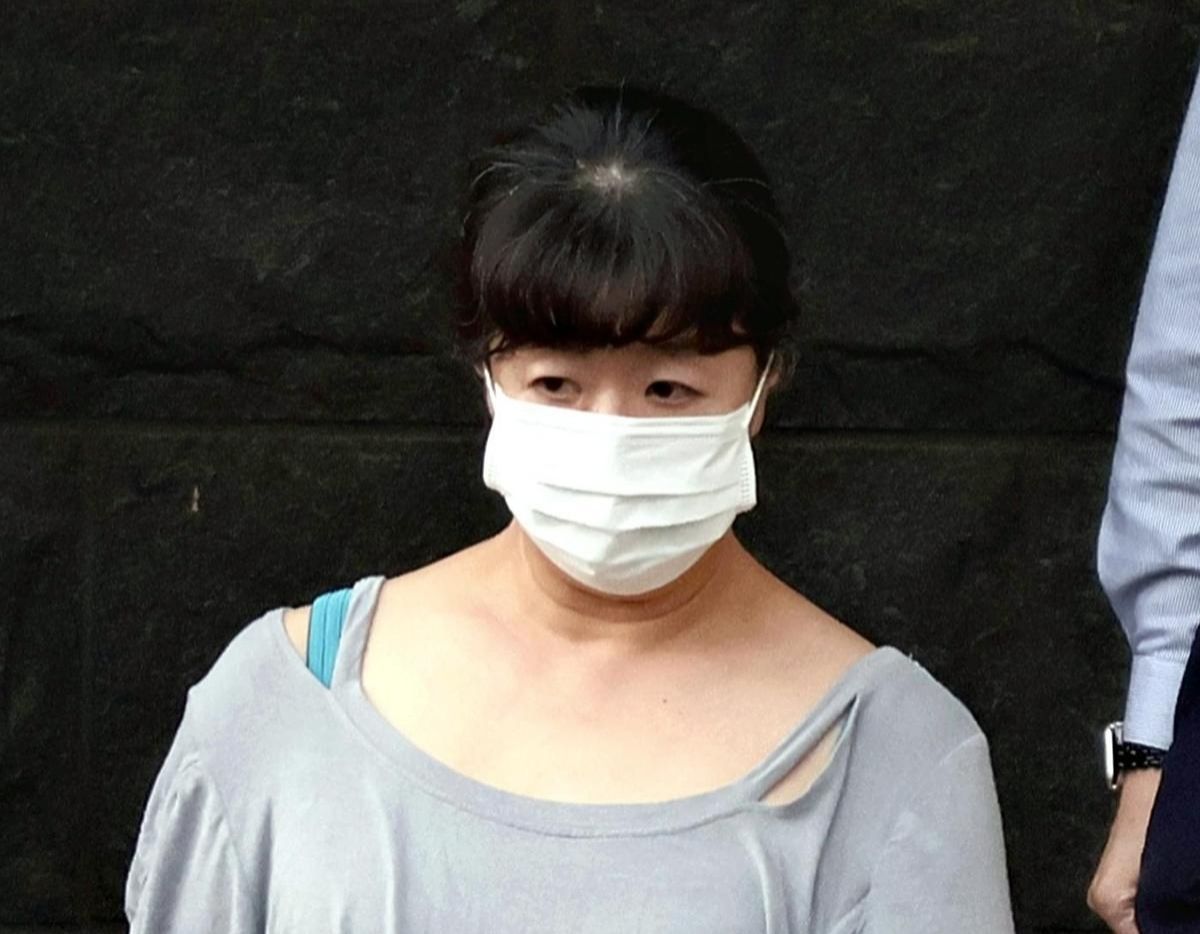
A 51-year-old midwife in Japan's Chiba Prefecture has been taken into custody following a disturbing investigation into the death of a hospitalised patient. Miyuki Furukawa, who resides in Kashiwa, was arrested on Wednesday on suspicion of intentionally causing the death of a 75-year-old man through the contamination of his medical equipment at Kashiwa Tanaka Hospital. The incident, which occurred in late January, has raised serious questions about patient safety protocols within Japanese healthcare facilities and the adequacy of oversight in hospital environments.
According to investigative findings, Furukawa is alleged to have inserted faecal matter into the extension tube of an intravenous drip being administered to the elderly patient at approximately 3:55 am on January 30. The man, who was originally from Toride in neighbouring Ibaraki Prefecture, subsequently deteriorated and died just over 19 hours later at around 10:30 pm on January 31. The deliberate introduction of biological contaminants into a patient's bloodstream represents one of the most egregious forms of medical harm, and prosecutors have charged Furukawa with murder rather than a lesser charge, indicating the severity with which authorities view her alleged actions.
The case has prompted urgent internal reviews at the hospital and raises troubling implications for infection control and patient monitoring systems. When biological waste enters the bloodstream, it can trigger severe infections, septic shock, and multi-organ failure—all of which may have contributed to the rapid decline that led to the patient's death. Medical experts suggest that despite modern sanitisation standards, hospitals must reassess how they protect vulnerable patients from intentional contamination by staff members, particularly during late-night shifts when supervision may be reduced.
Chiba prefectural police have launched a comprehensive investigation to establish Furukawa's motive for the alleged crime. Investigators are examining her employment records, personnel relationships, and any grievances she may have harboured. Understanding why a healthcare professional would commit such an act is crucial not only for the legal proceedings but also for hospitals seeking to identify warning signs among staff who may pose risks to patients. Workplace stress, unresolved conflicts, or untreated mental health conditions sometimes precede such incidents, though authorities have not yet disclosed their preliminary findings regarding her state of mind.
This case echoes concerns that periodically emerge across developed healthcare systems. Japan, despite its world-class medical reputation, has experienced previous incidents involving healthcare worker malfeasance, though cases of this particular nature remain rare. The incident underscores the importance of implementing rigorous background checks, psychological evaluations, and ongoing monitoring of healthcare professionals who have unsupervised access to patients. Many hospitals are now reviewing whether their systems adequately prevent individual staff members from accessing patient equipment without supervision or documentation.
For Malaysian healthcare administrators and policymakers, this incident serves as a sobering reminder that excellence in medical infrastructure and technology does not automatically guarantee patient safety from intentional harm. While such cases remain statistically uncommon, their occurrence demands that hospitals invest in comprehensive security measures, including surveillance of critical care areas, restricted access protocols for intravenous administration points, and regular audits of medical supply handling. The psychological screening and ongoing wellness monitoring of healthcare staff should be viewed as essential components of patient protection rather than optional extras.
The implications extend beyond individual hospital management to broader healthcare governance. This case demonstrates that even in countries with advanced regulatory frameworks, determined individuals can circumvent safety systems. Malaysian hospitals should examine whether their current protocols include sufficient safeguards against deliberate patient harm by staff members, particularly in overnight and weekend shifts when staffing levels are reduced and oversight may be diminished. Regular review of unusual patient deterioration patterns, investigation of suspicious circumstances surrounding deaths, and rapid response to concerning employee behaviour can help identify potential dangers before tragedy occurs.
The victim's family now faces not only the grief of losing a loved one but also the trauma of knowing his death was allegedly caused intentionally rather than from natural causes. This adds another dimension to the investigation—understanding how institutional failures may have enabled the alleged crime to occur. The hospital will likely face civil liability claims and reputational damage that extends beyond the immediate legal proceedings. For healthcare facilities across the region, the incident reinforces that institutional accountability for employee actions is not negotiable, and that patient trust depends fundamentally on demonstrable commitment to safety and ethical conduct.
As the investigation continues, authorities in Chiba will need to determine whether this was an isolated incident or whether there were earlier warning signs or related incidents involving Furukawa. Comprehensive review of patient records and outcomes during her employment tenure may reveal patterns that went undetected. Healthcare organisations must recognise that while most employees are conscientious professionals, systematic oversight mechanisms exist precisely to protect patients from the rare individual who poses a threat. This case underscores that patient safety requires constant vigilance and that healthcare systems cannot assume good intent alone provides adequate protection.

