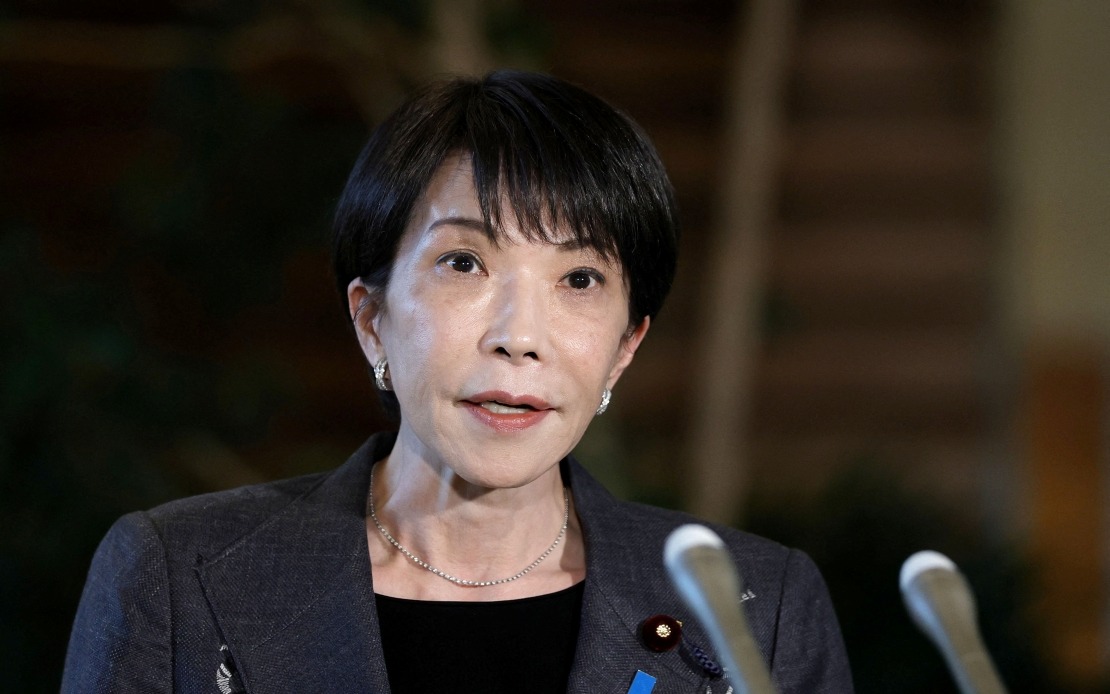
Japanese Prime Minister Sanae Takaichi sent a ritual offering to the Yasukuni shrine in Tokyo on Saturday, marking the 81st anniversary of Japan's surrender in World War II, even as she refrained from making a personal pilgrimage to the controversial war memorial. The gesture underscores the delicate balancing act facing Japan's leadership when addressing the country's wartime past, particularly given the political sensitivities the site generates across East Asia.
Defence Minister Shinjiro Koizumi visited the shrine in person on the anniversary, becoming the first sitting defence minister confirmed to have done so since Minoru Kihara made the pilgrimage in August 2024. Kihara, now serving as chief Cabinet secretary in Takaichi's administration, has maintained the tradition of honouring the site despite international scrutiny. Cabinet member Hitoshi Kikawada, who oversees state ministry responsibilities concerning the Northern Territories—disputed islands off Hokkaido that Japan claims were illegally seized by the former Soviet Union following the war—also paid his respects at the shrine.
Takaichi, a longtime conservative within the ruling Liberal Democratic Party, financed her offering entirely from personal funds according to senior party officials. This approach reflects a calculated political strategy: she acknowledges her party's ideological ties to the shrine without provoking the international backlash that would inevitably follow a prime ministerial visit. Before her elevation to the premiership last October, Takaichi regularly visited Yasukuni during seasonal festivals and on August 15, the official war anniversary, but has discontinued such visits since taking office. The shift demonstrates the heightened constraints on a prime minister's ability to engage in symbolic acts that, while commonplace for ordinary citizens or lower-ranking officials, carry diplomatic consequences at the highest level of government.
The Yasukuni shrine occupies a singularly problematic position in East Asian geopolitics because it enshrines 14 wartime Japanese leaders as deities, a enshrinement that occurred in 1978 and included most of those convicted as Class-A war criminals. General Hideki Tojo, who served as wartime prime minister and was executed in 1948 for crimes against peace, remains among the honoured. The shrine's very existence as a memorial to these figures transforms what might otherwise be treated as a religious site into a flashpoint for historical grievances and competing narratives about responsibility for wartime atrocities.
China and South Korea have repeatedly condemned visits by Japanese political figures to Yasukuni, viewing such pilgrimages as inadequate acknowledgment of Japan's wartime aggression and occupation. China endured widespread Japanese military occupation that extended across vast territories by 1945, while South Korea suffered 35 years of Japanese colonial rule from 1910 until 1945. These historical experiences have created profound public sensitivity in both nations toward any gesture that appears to glorify or minimise wartime Japanese leadership. For Malaysian and broader Southeast Asian observers, the Yasukuni issue carries particular resonance given the region's own experiences under Japanese occupation during World War II and the complicated ways in which postwar reconciliation remains incomplete across Asia.
Several other senior Liberal Democratic Party figures also participated in the shrine visit, including Secretary General Shunichi Suzuki, Haruko Arimura who heads the General Council, and Yasutoshi Nishimura, the Election Strategy Committee chairman. Their collective presence underscores the shrine's continued importance within conservative circles and the party's determination to maintain these symbolic connections despite international friction. The pattern of visits by defence and security-related officials suggests that the shrine has become particularly entrenched within Japan's defence establishment, reflecting broader ideological currents within those institutions.
Japan's approach to its wartime legacy exists in tension with its postwar constitutional commitment to pacifism. The nation has built its identity over eight decades on renouncing war and pursuing peace through its war-renouncing Constitution, a framework that many analysts credit with regional stability. Yet this commitment coexists with growing anxiety about Japan's security environment and accelerating military expansion. Defence spending has increased substantially in recent years as Japan confronts a more assertive China, North Korean missile developments, and evolving security arrangements with the United States. This simultaneous embrace of pacifist constitutional principles and military strengthening creates internal contradictions that visits to Yasukuni, with their implicit validation of Japan's wartime military establishment, seem to embody.
For regional observers including Malaysia and other Southeast Asian nations, the persistence of these tensions within Japan presents a persistent diplomatic challenge. While Japan's economic integration, technological advancement, and democratic institutions are deeply valued throughout the region, unresolved historical grievances and competing interpretations of wartime responsibility periodically surface. The shrine visits by Japanese officials serve as regular reminders that despite decades of economic cooperation and security partnerships, fundamental questions about how nations acknowledge and reconcile with difficult histories remain contested.
Takaichi's decision to delegate her shrine tribute through a monetary offering rather than a personal visit reflects pragmatic acknowledgment of her heightened responsibilities as prime minister. Lower-ranking officials and party figures enjoy greater latitude to maintain traditional conservative practices without triggering the same diplomatic storms. Yet the collective nature of the visits—with defence and security officials prominently participating—suggests that the Yasukuni shrine remains woven into the fabric of Japan's security-oriented political culture. This pattern is likely to persist as long as the shrine itself continues to exist and Japan's military establishment maintains its current ideological orientation toward Japan's wartime period.

