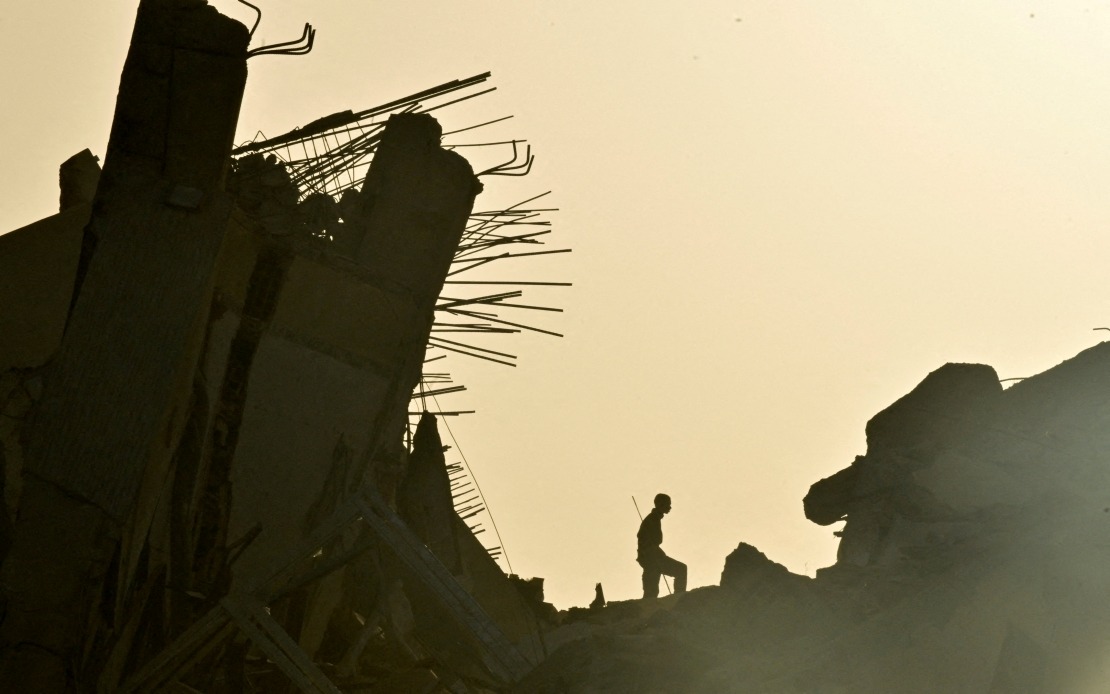
Japan is escalating its humanitarian response to Venezuela's catastrophic earthquake disaster by committing US$3.5 million in emergency financial assistance and dispatching an additional medical relief team to the country. Foreign Minister Toshimitsu Motegi announced the fresh support package on Friday in Tokyo, underscoring Japan's deepening engagement with the South American nation's recovery efforts following the devastating seismic events of June 24.
The financial commitment will flow through established international humanitarian channels, ensuring resources reach vulnerable populations across Venezuela's affected zones. Motegi specified that the funds would prioritize critical humanitarian needs: procurement of food supplies, medical care and pharmaceuticals, emergency shelter and temporary housing solutions, and other essential goods necessary for immediate survival and stabilization in the disaster zones.
The deployment of a second specialized medical team represents Japan's recognition that initial relief efforts, while valuable, cannot fully address the scale of medical emergencies created by the earthquakes. This indicates a shift from immediate crisis response to sustained medium-term humanitarian engagement, as ongoing health crises typically persist long after seismic events subside, including infectious disease outbreaks, malnutrition complications, and mental health impacts on traumatized populations.
The June 24 earthquakes unleashed massive destruction across Venezuelan territories, claiming more than 3,000 lives and displacing hundreds of thousands from their homes. The dual seismic events—occurring within hours of each other—compounded rescue difficulties and overwhelmed local emergency response capacity, creating a humanitarian crisis of significant proportions that stretched Venezuelan government resources to breaking point.
Japan's assistance strategy reflects a phased approach to disaster management. On June 30, the Japanese government had already approved shipments of emergency relief supplies, addressing immediate material shortages in devastated communities. By July 1, Tokyo had authorized deployment of its first medical disaster response team, staffed with trained paramedics and physicians equipped to handle mass casualty situations. The July 10 announcement of additional funding and personnel represents a third wave of Japanese engagement, suggesting Tokyo assessed that initial assistance would prove insufficient.
For Malaysian observers, Japan's humanitarian mobilization offers instructive lessons in coordinated disaster response. Malaysia, positioned in an earthquake-prone region with experience managing transnational disasters, might study how Tokyo coordinates multiple aid modalities—cash grants, material supplies, and specialized personnel—through international organizations rather than unilateral channels. This multilateral approach often proves more effective in competing disaster environments where numerous donors operate simultaneously.
Motegi's commitment to sustained engagement through partnerships with established international humanitarian organizations reflects diplomatic sophistication. Rather than attempting independent relief operations, Japan channels resources through bodies with existing logistical infrastructure in Venezuela, maximizing impact while respecting sovereignty and local coordination mechanisms. This methodology proves particularly important in complex emergencies where political sensitivities complicate foreign assistance.
The broader context of Japan's Venezuela engagement deserves attention. Tokyo maintains significant economic interests in Latin America and seeks to position itself as a reliable humanitarian partner across the region. Generous earthquake assistance bolsters Japan's soft power standing and reinforces its image as a technologically advanced nation committed to global welfare—valuable diplomatic capital in an era of intensifying great power competition.
Venezuela's particular circumstances compound the disaster's humanitarian impact. The country's ongoing economic and political instability means existing health systems, infrastructure, and social services operate below normal capacity even before earthquakes struck. This creates compounding crises where earthquake casualties arrive at hospitals already struggling with resource shortages, and displaced populations cannot access pre-existing medical services. International assistance thus carries disproportionate importance in Venezuela compared to more stable developing nations.
Japan's two-pronged response—direct financial transfers plus specialized personnel deployment—addresses both immediate material gaps and technical capacity deficits. Venezuelan medical personnel, though often highly trained, face equipment shortages and supply chain disruptions that Japanese teams can help overcome through both expertise and material support. This combination of knowledge transfer and resource provision characterizes effective disaster response in contexts of systemic economic breakdown.
Motegi's public statements emphasizing continued Japanese commitment signal that Tokyo views this as an ongoing situation demanding persistent engagement rather than one-off charity. This distinction matters substantially for affected populations, as sustained international attention helps maintain relief operations beyond initial media focus when public interest wanes but humanitarian needs continue unabated.
Regional implications extend beyond Venezuela itself. Japan's active humanitarian diplomacy in the Americas demonstrates that Tokyo remains committed to global presence despite domestic economic challenges and strategic focus on Indo-Pacific security. For Southeast Asian nations managing their own disaster risks while navigating great power competition, Japan's example illustrates how humanitarian engagement can simultaneously advance strategic interests and genuine compassionate objectives.

