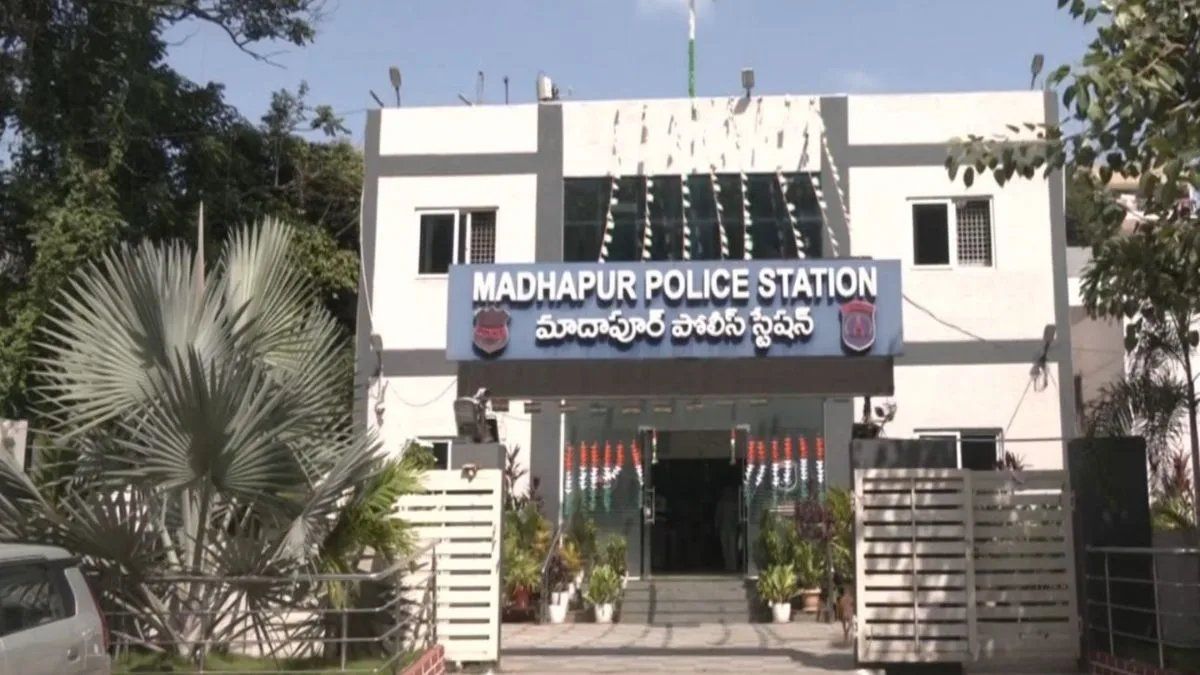
A fatal traffic incident in Hyderabad has sparked political controversy after Lingamaneni Sanjush, the son of Jana Sena Party MP Lingamaneni Ramesh, was granted station bail in connection with a collision that claimed the life of a 26-year-old woman. The August 16 accident outside Inorbit Mall in Madhapur resulted in the death of Bharati Mukhi, an employee at a Lifestyle store within the shopping centre, highlighting once again the risks posed by high-speed driving in busy commercial districts across India's major cities.
According to Hyderabad police, the collision occurred at approximately 3 p.m. when Bharati and her colleague Pooja Ashok were crossing the road after collecting meals from a nearby restaurant. The women were returning to their workplace at the mall when the incident happened. Initial investigations by officers at Madhapur Police Station suggest that the vehicle was being operated at excessive speed and in a manner indicating rash and negligent driving. Bharati sustained severe head injuries and was rushed to Apollo Hospital in Jubilee Hills, where medical staff pronounced her dead.
The response from law enforcement authorities followed standard procedural protocols in cases involving fatal traffic accidents. Sanjush, identified as the driver at the time of the crash, was apprehended on the same day. Police conducted sobriety testing and toxicology screening, with blood samples subsequently dispatched to the Forensic Science Laboratory for comprehensive examination. The Aston Martin involved in the incident has been impounded as evidence while the investigation progresses. A formal case was registered under Section 106(1) of the Bharatiya Nyaya Sanhita, the criminal statute governing causing death by negligence through rash or negligent act.
Beyond the standard investigative measures, Sanjush was served notice under Section 35(3) of the Bharatiya Nagarik Suraksha Sanhita, a procedural requirement in certain criminal investigations. Following these actions, he received station bail, a decision that would ordinarily conclude the immediate custody phase of the investigation. A Madhapur police official confirmed the procedural steps taken, stating that the notice had been served and bail granted as part of ongoing investigative work. However, this routine judicial outcome became the flashpoint for broader political allegations.
The incident has since attracted political scrutiny and accusations of preferential treatment. Karthik Yellapragada, national spokesperson for the opposition YSRCP party, publicly alleged that authorities had suppressed information about the case. He pointed to the five-day gap between the accident on August 16 and broader public awareness of the incident, questioning why media coverage and official statements had been minimal during this period. Such delays in publicising cases involving prominent political figures are not uncommon in Indian media practice, yet Yellapragada's framing cast them as evidence of deliberate concealment.
Yellapragada further alleged that political coordination between Andhra Pradesh Chief Minister Revanth Reddy and TDP leader Chandrababu Naidu had influenced the handling of the case. He demanded immediate justice and raised concerns about whether different evidentiary standards were being applied compared to cases involving ordinary citizens. These allegations centre on the suggestion that familial connections to political office can affect the pace and rigour of criminal investigations, a concern that resonates across Indian society where such disparities are frequently alleged though difficult to substantiate definitively.
The political dimensions of this case reflect broader anxieties within Indian democracy regarding elite accountability. Traffic fatalities involving vehicles owned or operated by the privileged classes periodically generate public controversy when judicial processes appear expedited or lenient compared to cases involving ordinary citizens. The granting of station bail in this matter, while procedurally justified given the circumstances, coincided with minimal public discourse during the initial five days following the accident. Such patterns, whether intentional or circumstantial, feed scepticism about equal application of criminal law.
For Malaysian readers observing regional developments, this incident illustrates challenges facing rapid-growth metropolitan areas across South Asia. Hyderabad, as India's fastest-growing major city, has experienced explosive increases in luxury vehicle ownership among its expanding corporate elite, often outpacing infrastructure development and traffic safety enforcement. The mixing of high-speed luxury vehicles with busy commercial districts creates inherent dangers that affluent drivers may underestimate, particularly when enforcement appears inconsistent.
The case also demonstrates how political opposition parties utilise high-profile incidents to challenge governing coalitions. In Andhra Pradesh's complex political landscape, where multiple parties maintain shifting alliances, deaths involving prominent political families become opportunities for opposition figures to question state governance and raise general accusations about preferential treatment. Whether such allegations reflect reality or represent routine political contestation remains contested, but their persistence underscores public concern about judicial impartiality.
The investigation remains ongoing, with authorities collecting post-mortem examination reports and continuing forensic analysis of blood samples. The vehicle remains in police custody. Should toxicology tests reveal intoxication or drug use, charges could escalate significantly beyond the initial death-by-negligence filing. Conversely, if tests prove negative and evidence suggests mechanical failure or unavoidable accident circumstances, the case trajectory could shift substantially. These outstanding investigative elements mean the matter has not reached its conclusive stage despite Sanjush's bail grant.
The incident underscores the complex intersection between criminal justice, political patronage perceptions, and media narrative in contemporary India. While procedural bail grants do not constitute exoneration or case dismissal, the appearance of swift bail release in high-profile cases involving political families inevitably generates public suspicion. Transparent communication about investigative progress and consistent application of evidentiary standards remain essential for maintaining public confidence in judicial institutions across South Asia's major democracies.

