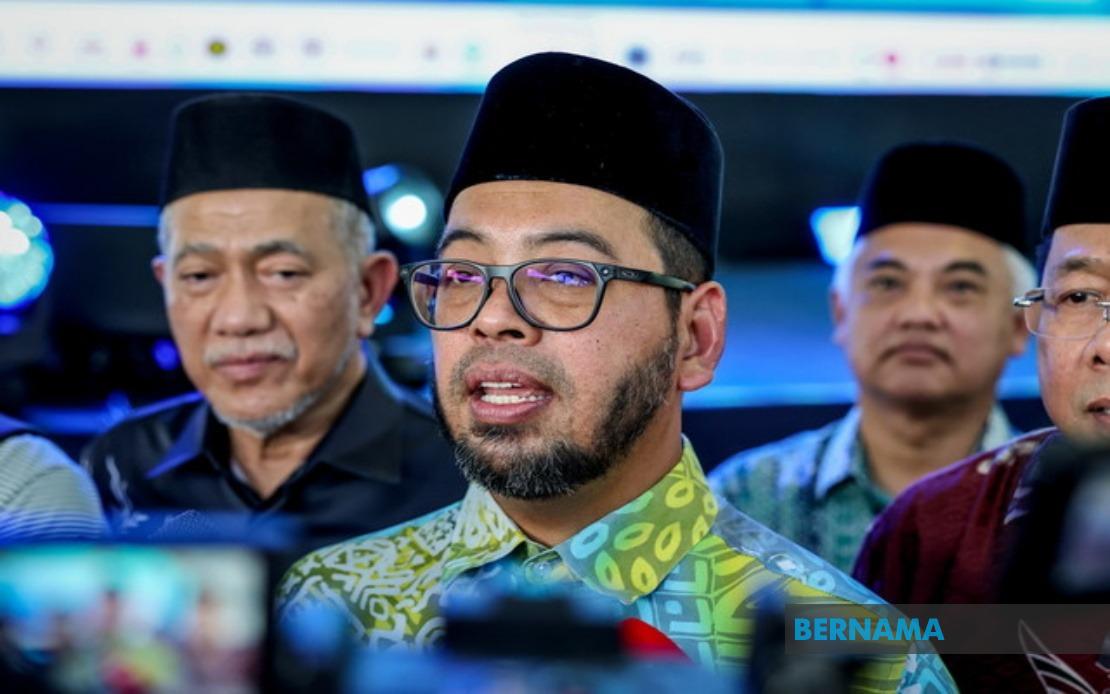
Malaysia's religious authorities are moving to create a unified set of funeral management guidelines that will apply across the country, following a public controversy that sparked significant online discussion. Minister in the Prime Minister's Department (Religious Affairs) Dr Zulkifli Hasan announced the initiative while officiating an event in Bukit Mertajam, signalling the government's intention to address inconsistencies in how Islamic funeral rites are managed across different states.
The decision to centralise funeral protocols through the Department of Islamic Development Malaysia (JAKIM) reflects growing recognition that the patchwork of existing state-level systems has created confusion and, in some cases, distress for families managing burials. While individual states such as Selangor, Perak, and others have developed their own guidelines over time, these tend to vary in their specifics, leaving room for misinterpretation and inconsistent application. By establishing a comprehensive reference document, JAKIM hopes to ensure that Muslims throughout Malaysia experience standardised processes regardless of which state they reside in or where they choose to be buried.
The timing of this announcement comes immediately after a funeral management incident in Selangor that garnered widespread public attention. The controversy centred on delays in completing burial procedures at Ukay Perdana Muslim Cemetery in Hulu Kelang, involving a body that remained at Masjid Nurul Hidayah in Kampung Pandan Dalam. The situation prompted intervention from the Selangor Islamic Religious Council (MAIS), which convened meetings between the deceased's family, the mosque management, charitable organisations involved, and the Selangor Islamic Religious Department (JAIS) to identify what went wrong and establish corrective measures.
Dr Zulkifli emphasised that the new guidelines will be developed with careful attention to both contemporary realities and existing legal frameworks. Rather than imposing a one-size-fits-all approach that ignores state-level enactments, JAKIM is positioning itself as a coordinator that will enhance and harmonise existing procedures. This diplomatic approach acknowledges the constitutional reality that Islamic affairs remain largely a state matter in Malaysia, while simultaneously asserting the federal department's role in providing technical standards and best practices that states can adopt or adapt.
The minister indicated that finalising the guidelines should not require an extended timeframe, as JAKIM already possesses foundational frameworks that need refinement rather than complete reconstruction from scratch. The department appears confident that taking existing protocols and elevating them to a more detailed and comprehensive standard will be relatively straightforward. This suggests that the initiative is less about revolutionary change and more about systematising and improving upon work already underway.
Beyond the technical aspects of funeral management, the government's move reflects sensitivity to how these procedures directly affect grieving families during their most vulnerable moments. Islamic funeral rites carry deep spiritual and cultural significance, and delays or confusion can compound the emotional trauma of loss. By ensuring that families understand what to expect and that processes move smoothly, the new guidelines aim to restore confidence in the system and prevent the kind of public backlash that the Selangor incident generated.
The Selangor case also illustrates how modern social media can rapidly amplify concerns about funeral delays into major public controversies. What might once have been a localised dispute handled quietly through community channels now becomes a trending topic, creating pressure on authorities to respond publicly and decisively. The emergence of such incidents on digital platforms has forced religious administrators to become more transparent and responsive, accelerating the need for clearer protocols.
For Malaysian citizens and residents, clearer funeral guidelines carry practical implications. Families will benefit from knowing precisely what steps must be followed, which organisations have responsibility at which stages, and what timeline they should reasonably expect. Non-Muslim Malaysians may also appreciate clarification if they are assisting Muslim colleagues, friends, or extended family members through the burial process. Additionally, mosque committees, cemetery administrators, and charitable organisations involved in funeral arrangements will have an authoritative reference point for their operations.
The initiative also has implications for Malaysia's reputation as a Muslim-majority nation with orderly and dignified Islamic practices. International observers and the Malaysian Muslim diaspora will note that the country's religious administration is proactive in maintaining standards and responding to challenges. This matters not only domestically but for Malaysia's standing within the broader Islamic world, particularly as the nation positions itself as a moderate voice in Islam.
CHAIRMAN of MAIS, Datuk Salehuddin Saidin, has indicated that state-level authorities view the standardisation effort as a collaborative endeavour rather than a takeover. By working with JAIS and other state religious departments to shape the guidelines, JAKIM can ensure buy-in and compliance rather than imposing directives from above. This cooperative model may prove more effective at addressing implementation challenges that centralised mandates often encounter.
Looking ahead, the success of this initiative will depend on several factors. States must genuinely engage in the guideline-development process rather than viewing it as a perfunctory consultation. Training programmes may be necessary to ensure that cemetery staff, mosque officials, and funeral service providers understand and consistently apply the new standards. Public awareness campaigns could help families know their rights and understand the process, reducing anxiety and preventing misinformation from spreading rapidly online.
The broader question underlying this development is whether Malaysia's Islamic administrative framework can evolve quickly enough to meet contemporary expectations. Funeral management may seem like a narrow issue, but it touches on fundamental values: respect for the deceased, care for grieving families, and the perceived competence of religious institutions. By demonstrating responsiveness to public concerns and commitment to continuous improvement, JAKIM is signalling that Malaysia's Islamic administration takes seriously its obligation to serve the Muslim community with excellence and dignity.

