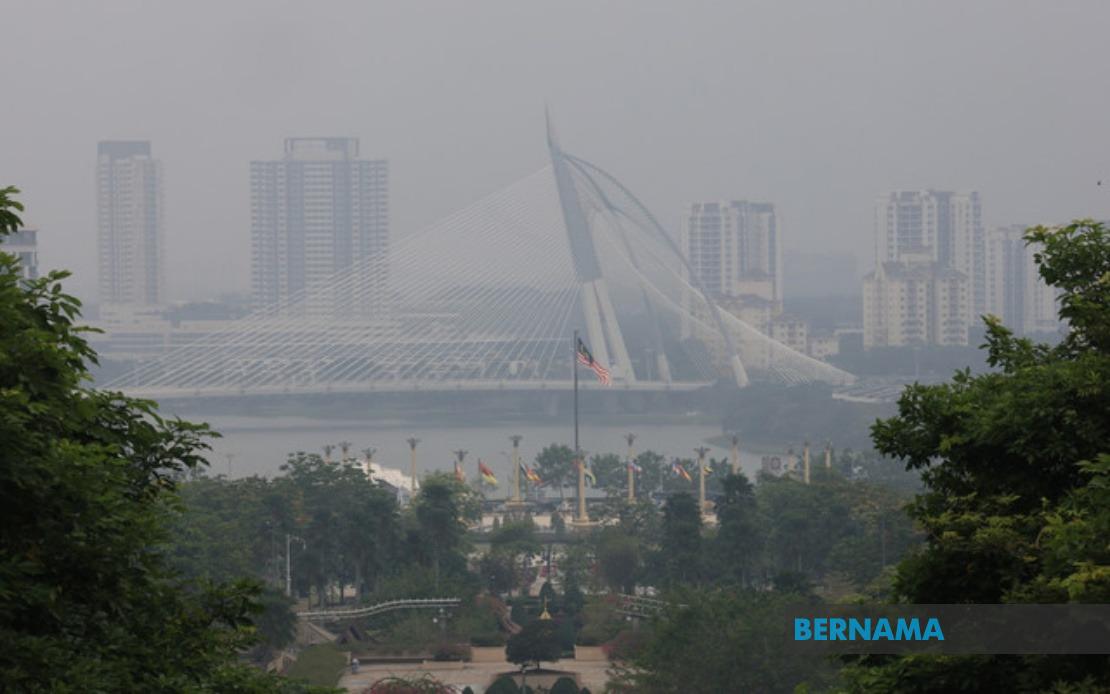
The Department of Islamic Development Malaysia (JAKIM) is responding to the escalating haze crisis gripping the nation by organising special prayers for divine intervention. The Solat Hajat, a traditional Islamic prayer of supplication, will take place this evening at three prominent places of worship under JAKIM's purview—the National Mosque in Kuala Lumpur, Putra Mosque in Putrajaya, and Tuanku Mizan Zainal Abidin Mosque also in Putrajaya. Each prayer session will commence immediately following the Maghrib prayers, inviting Muslim Malaysians to participate in collective spiritual appeal during this environmental challenge.
Datak Dr Sirajuddin Suhaimee, the director-general of JAKIM, articulated the purpose of the initiative, emphasising that the prayers seek Allah's protection over all Malaysians against the harmful effects of the haze. Beyond physical protection, he highlighted requests for the preservation of public health, safety, and the restoration of liveable conditions across regions currently suffering from elevated air pollution levels. His statement reflects the gravity with which religious authorities view the environmental crisis and the role faith communities can play in fostering collective resilience.
The prayer initiative does not emerge in isolation but rather represents a coordinated response within Malaysia's leadership hierarchy. The Sultan of Pahang, Al-Sultan Abdullah Ri'ayatuddin Al-Mustafa Billah Shah, had previously issued a decree calling upon all Malaysians to engage in prayer and seek Allah's assistance for those experiencing the haze's adverse impacts. This royal directive carries significant weight in Malaysia's constitutional and cultural framework, where the Sultans hold important ceremonial and moral authority. Additionally, Minister in the Prime Minister's Department (Religious Affairs) Dr Zulkifli Hasan had made similar appeals, creating a multi-layered institutional push for religious communities to mobilise their spiritual resources.
The timing of JAKIM's announcement coincides with a measurable deterioration in air quality across substantial portions of the country. As of the morning hours on August 26, official monitoring recorded unhealthy Air Pollutant Index readings across 17 distinct areas. These affected zones span a geographically dispersed footprint encompassing six states—Sarawak, Selangor, Negeri Sembilan, Johor, Melaka, and Perak—alongside the federal territories of Kuala Lumpur and Putrajaya. This widespread distribution indicates that the haze problem has transcended localised pollution events to become a national environmental emergency requiring coordinated response at multiple levels of governance and society.
The invocation of Solat Hajat during environmental crises reflects a long-standing Islamic tradition of seeking divine assistance during times of trial and hardship. Within Malaysian Islamic practice, this particular prayer form represents a recognised mechanism for communities to address collective challenges through spiritual means. The selection of three major national mosques for the simultaneous prayer sessions amplifies the symbolic significance and potential reach of the initiative, as these venues command both religious authority and public visibility within Malaysia's Muslim majority society.
For Malaysia's diverse population, the haze crisis presents multifaceted challenges extending beyond air quality measurements. Business activity faces disruption, schools implement alternative learning arrangements, healthcare systems experience increased respiratory cases, and outdoor economic sectors suffer operational constraints. The prayer initiative, while addressing spiritual concerns, also serves a social function by providing a structured communal response mechanism for citizens experiencing anxiety about the environmental situation. Such collective religious observances can foster social cohesion and shared commitment to weathering the crisis.
The involvement of high-ranking government officials and royal leadership in endorsing these prayers underscores how Malaysia's political establishment views the integration of religious and administrative responses to national emergencies. Rather than relegating prayer to purely personal or private practice, the state-sanctioned religious mobilisation reflects a governance philosophy that acknowledges faith's role in addressing crises affecting national wellbeing. This approach differs markedly from secular administrative frameworks and reflects Malaysia's particular constitutional arrangement regarding Islam's position within the federation.
From a Southeast Asian perspective, the haze crisis affecting Malaysia intersects with broader transboundary pollution challenges characteristic of the region. The phenomenon frequently originates from agricultural burning and industrial emissions in neighbouring jurisdictions, creating a complex diplomatic and environmental management scenario that transcends individual nation-state responses. Malaysia's deployment of religious institutions as part of its crisis management strategy represents one dimension of how the country manages both the immediate atmospheric challenges and the underlying regional environmental governance structures.
The effectiveness of prayers in mitigating air pollution obviously operates through symbolic and psychological channels rather than direct atmospheric intervention. However, the mobilisation of religious institutions can drive downstream policy momentum, public behaviour modification, and international pressure for addressing pollution sources. Communities energised through spiritual appeals may prove more receptive to air quality mitigation campaigns, mask-wearing protocols, and political pressure for environmental accountability from regional partners.
The three designated prayer venues collectively represent important anchors within Malaysia's Islamic institutional landscape. The National Mosque stands as the primary symbol of Islam's place within Malaysia's national identity, Putra Mosque serves as a contemporary architectural and spiritual landmark within the federal administrative capital, and Tuanku Mizan Zainal Abidin Mosque represents recent investment in Islamic infrastructure within the federal territories. Conducting simultaneous Solat Hajat at these three locations magnifies the message's reach across different demographic and geographic constituencies within the Muslim population.
As the haze situation continues to evolve, JAKIM's prayer initiative represents one component within a broader crisis response apparatus encompassing environmental monitoring, health advisories, diplomatic negotiations, and regulatory measures. The religious dimension complements administrative responses and reflects how Malaysian society draws upon multiple institutional frameworks—secular governance structures and faith-based institutions—when confronting challenges threatening national wellbeing. The coordination between the Sultan, religious ministry officials, and JAKIM demonstrates how Malaysia's hybrid governance model mobilises both traditional and modern institutional resources during environmental emergencies.

