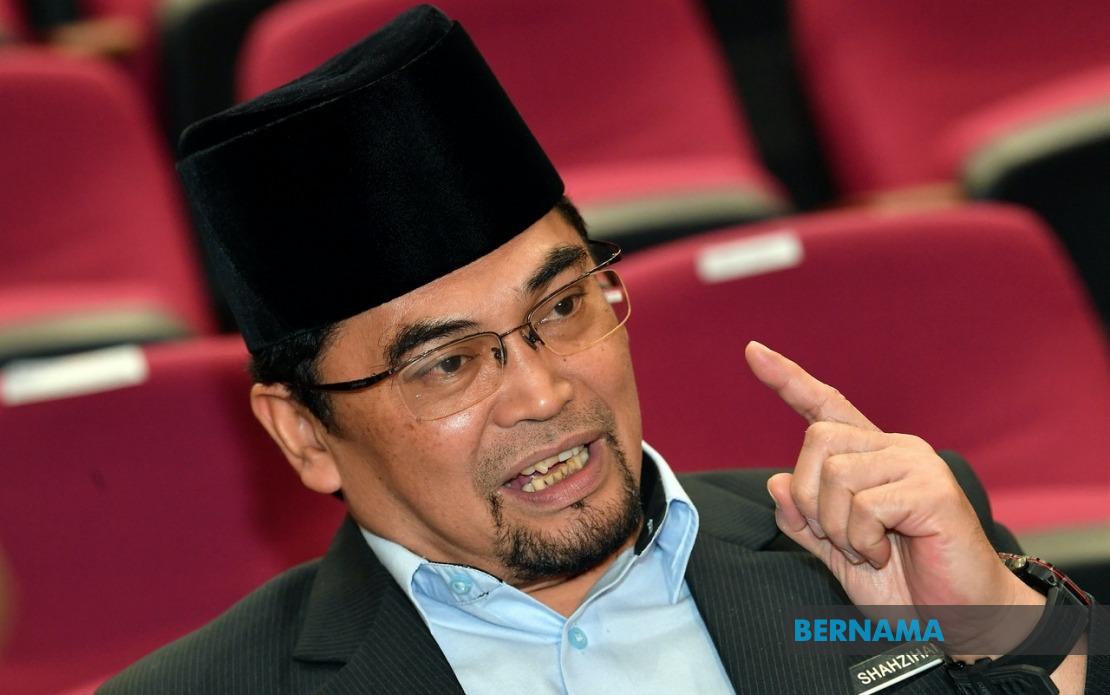
The Selangor Islamic Religious Department (JAIS) is moving ahead with comprehensive reforms to safeguard students in Islamic educational institutions, driven by growing concerns over inappropriate conduct by staff members. The initiative, announced by JAIS director Datuk Mohd Shahzihan Ahmad, represents a significant tightening of institutional controls and represents one of the most substantial policy shifts in the state's oversight of religious schools in recent years.
In response to documented incidents of alleged sexual misconduct involving teachers, JAIS is collaborating with the School Registration Committee to develop a multifaceted approach to institutional safety. The department recognises that preventing abuse requires systematic changes across recruitment, management, and daily operations rather than isolated interventions. This comprehensive philosophy reflects international best practices in child safeguarding, though its implementation in Malaysia's Islamic school sector marks a notable departure from previous, less stringent protocols.
Among the central proposals under consideration is the mandatory procurement of police clearance certificates for all educators within registered Islamic schools. Datuk Mohd Shahzihan indicated that security screening mechanisms would be jointly designed with law enforcement authorities to ensure thorough vetting. The police clearance requirement would create a formal barrier against hiring individuals with criminal histories related to sexual offences, providing documentation of background checks that could previously be conducted informally or not at all. Such a mechanism has long been standard in mainstream Malaysian schools but its application to the religious education sector represents expansion of accountability frameworks.
Beyond recruitment safeguards, JAIS is formulating explicit behavioural guidelines to govern interactions between staff and students. These protocols aim to eliminate circumstances in which inappropriate conduct might occur or go unnoticed. The proposed measures include restrictions on private meetings between teachers and students, particularly during periods when supervision is minimal or absent. Teachers would be prohibited from offering special treatment that creates exclusive relationships with individual students, a practice that research indicates frequently precedes grooming behaviour in institutional settings.
The guidelines specifically target the scheduling and location of activities such as Quranic memorisation sessions, which traditionally occur outside formal classroom hours. Under the proposed framework, such sessions would only proceed when other staff or students are present and during regular operating hours. This restructuring of routine activities represents a fundamental recalibration of how Islamic schools operate, necessitating additional staffing and administrative coordination. The approach prioritises transparency and witnessed interactions as primary mechanisms for deterring misconduct.
The regulatory discussions also encompass the roles of administrators and non-teaching staff, indicating that JAIS recognises safety concerns extend beyond the teacher-student relationship. All personnel working within religious schools would be subject to the same conduct expectations, creating institutional cultures where appropriate professional boundaries are non-negotiable. This holistic approach reflects recognition that institutional misconduct often involves complicity or negligence by multiple actors rather than isolated bad actors.
The background to these measures includes a documented incident investigated by Selangor police involving allegations of sexual assault perpetrated by a teacher against a student at a religious school. While specific details remain under police investigation, the case appears to have catalysed departmental action at JAIS. The incident and subsequent institutional response illustrate how individual cases can prompt systemic reforms, though they also raise questions about why such protections were not already standard practice.
For Malaysian families, particularly those in Selangor, the reforms address a critical vulnerability in the educational landscape. Islamic religious schools, often operating with less regulatory oversight than mainstream government institutions, have historically faced fewer scrutiny mechanisms. Parents selecting religious education for their children frequently assume that institutional religious character provides implicit safeguarding, an assumption that incidents like the alleged assault fundamentally challenge. These new measures attempt to align religious schools with contemporary child protection standards.
The implementation phase will prove crucial in determining the reforms' effectiveness. Police coordination for systematic screening processes requires institutional capacity and interagency protocols that may take months to establish. Similarly, embedding behavioural guidelines into school cultures requires training, monitoring, and accountability systems. JAIS must ensure that regulations translate into consistent practice across diverse institutions rather than remaining paper-based compliance exercises.
The timing of these reforms also reflects broader regional discussions about child safety in educational contexts. Across Southeast Asia, several countries have recently strengthened protections in schools following high-profile misconduct cases. Malaysia's approach, though initiated at state rather than national level, signals recognition that existing frameworks inadequately protect vulnerable populations. However, questions remain about whether similar safeguarding protocols are being adopted by religious schools in other Malaysian states.
Implications extend beyond immediate student protection to institutional credibility and parental confidence. Religious schools depend on community trust to sustain enrolments and funding. Transparent safety protocols and visible enforcement may rebuild confidence among parents concerned about vulnerabilities. Conversely, if implementation remains inconsistent or if cases continue to emerge following these announcements, public confidence could further erode, potentially accelerating shifts toward mainstream educational options.
The involvement of the School Registration Committee indicates these reforms may eventually become standardised requirements rather than voluntary best practices. Regulatory embedding would create enforceable obligations, though compliance monitoring would require adequate resources. Whether JAIS receives sufficient operational capacity to conduct systematic oversight remains uncertain.

