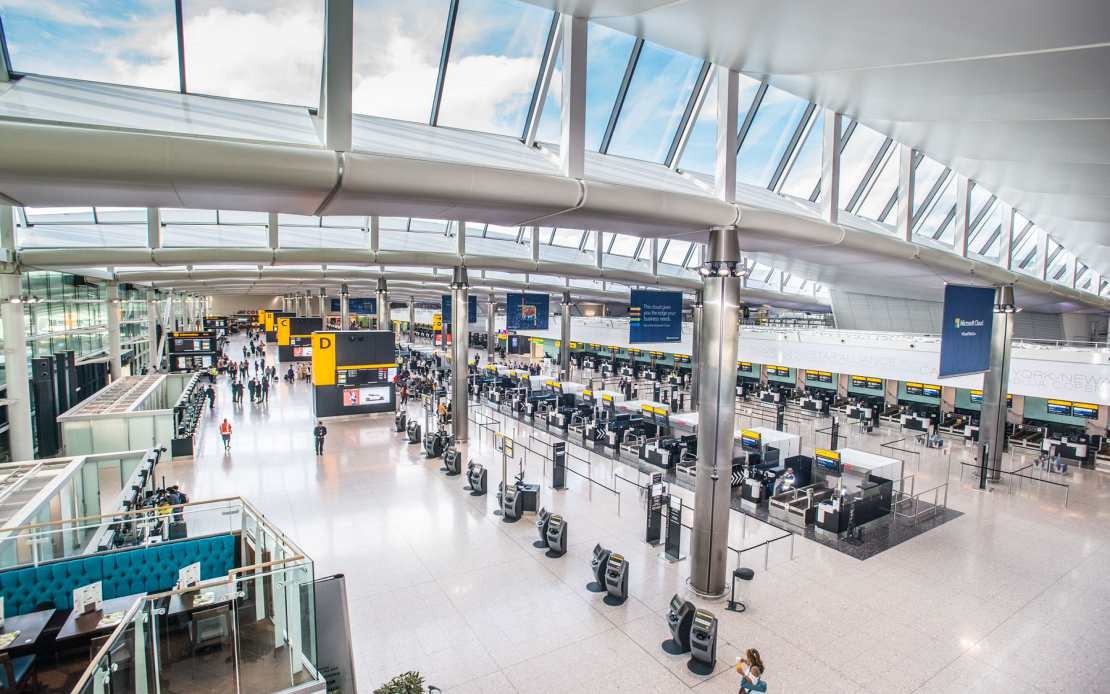
Istanbul Airport has unseated London's Heathrow as Europe's premier aviation gateway, marking a significant milestone in the continent's competitive airport landscape. The Turkish hub processed 8.15 million passengers during July, surpassing Heathrow's 7.86 million travellers across the same month. This displacement arrives amid intensifying debate over airport infrastructure investment and the economic implications of aviation connectivity for the United Kingdom and wider Europe.
Heathrow's fall from dominance represents a reversal of fortunes after reclaiming Europe's top position in 2023 following a pandemic-induced interruption. Historical data compiled by the Airports Council International shows the west London facility maintained its continental leadership uninterrupted from 1996 through 2019, a position lost in 2020 when covid-19 travel restrictions paralysed international aviation. The airport rebounded relatively swiftly, though its recovery trajectory now faces fresh headwinds from geopolitical tensions and shifting regional travel patterns that favour Istanbul's strategic positioning.
The decline in Heathrow's monthly performance reflects broader structural challenges affecting its current operational model. Passenger numbers contracted 1.5 per cent year-on-year, a decline that contrasts sharply with Istanbul's 2.3 per cent growth trajectory. Most significantly, Heathrow experienced a substantial 20.2 per cent drop in traffic on West Asia routes during July, a deterioration directly attributable to escalating United States-Iran tensions that have disrupted traditional aviation patterns across the Middle East and surrounding regions. This vulnerability to geopolitical disruption underscores the airport's dependence on specific traffic corridors that remain volatile.
Despite operating at maximum capacity with two runways, Heathrow continues functioning as a bottleneck rather than a hub optimised for growth. The airport's ownership has championed an ambitious expansion proposal that would construct a third runway, enabling annual passenger handling capacity to reach 150 million. This infrastructure investment has become increasingly central to UK government deliberations about maintaining Britain's competitive position within European aviation markets and protecting the country's broader connectivity advantages for trade and tourism.
The political machinery surrounding expansion has gathered momentum following Transport Secretary Heidi Alexander's launch of a formal consultation in June on a restructured national policy statement governing the third runway project. The consultation process outlines prerequisites for governmental approval, suggesting serious intent despite decades of planning disputes. Earlier statements from then-chancellor Rachel Reeves indicated determination to commence construction during the current parliamentary term, with an anticipated completion date of 2035 positioning the expansion within a manageable infrastructure timeline.
However, the expansion proposal faces significant political opposition rooted in regional equity concerns. Prime Minister Andy Burnham, who controversially dismissed Reeves from the treasury, has previously articulated substantial reservations about Heathrow's third runway, arguing that channelling infrastructure investment toward London effectively starves northern regions of necessary development resources. This tension between London-centric aviation ambitions and broader national economic balance represents a recurring friction point within contemporary UK policymaking, with implications extending far beyond aviation alone.
Heathrow management has seized upon the July performance data as evidence validating the expansion case. The airport highlighted July 19 as its busiest single day of the year, with 267,000 passengers recorded during school summer holiday peaks. Additionally, several new airline partnerships commenced operations, including ITA Airways from Italy, Alaska Airlines from the United States, and Riyadh Air from Saudi Arabia, suggesting continued commercial confidence in Heathrow's attractiveness despite capacity constraints. These developments indicate demand-side support for expanded facilities among carriers seeking European connectivity hubs.
For Malaysian and Southeast Asian aviation stakeholders, this competitive realignment carries tangible implications. Istanbul's ascendancy reflects not merely passenger volume dynamics but broader strategic positioning within global aviation networks. The Turkish airport's growth advantages stem partly from its geographic location as a bridge between Europe, Asia, and the Middle East—a positioning that mirrors aspirations held by competing Southeast Asian hubs including Kuala Lumpur International Airport. The shift demonstrates how geopolitical circumstances, regional economic momentum, and infrastructure investment decisions collectively determine aviation hierarchy within continental markets.
Heathrow Chief Executive Thomas Woldbye characterised the summer season as exceptionally strong while emphasising ambitions to expand route networks and passenger services further. His statements connect infrastructure expansion directly to Britain's capacity to maintain hub status, attract international trade flows, and secure tourism revenue. This framing positions airport infrastructure as integral to national competitiveness rather than merely as local transportation provision, an argument gaining traction across aviation policy discussions globally as regions compete intensely for connection superiority.
The broader context reveals fundamental shifts in European aviation dynamics influenced by multiple converging factors. Pandemic recovery remains incomplete for certain routes, geopolitical instability continues reshaping traffic patterns unpredictably, and infrastructure constraints at established hubs create competitive opportunities for expanding facilities. Istanbul's surpassing of Heathrow suggests neither hub enjoys permanent dominance but rather must continually invest in capacity, connectivity, and operational excellence to maintain position within an increasingly competitive environment.
The third runway debate encapsulates deeper tensions within UK governance between growth imperatives and environmental concerns, between regional equality and capital concentration. For Southeast Asian observers monitoring global aviation trends, Heathrow's relative decline underscores how infrastructure investment decisions made today determine competitive positioning for decades. Malaysian airports competing for regional and international significance would benefit from studying how strategic expansion, geopolitical awareness, and sustained commitment to route development collectively determine aviation leadership in contemporary markets increasingly defined by connectivity rather than historical precedent.

