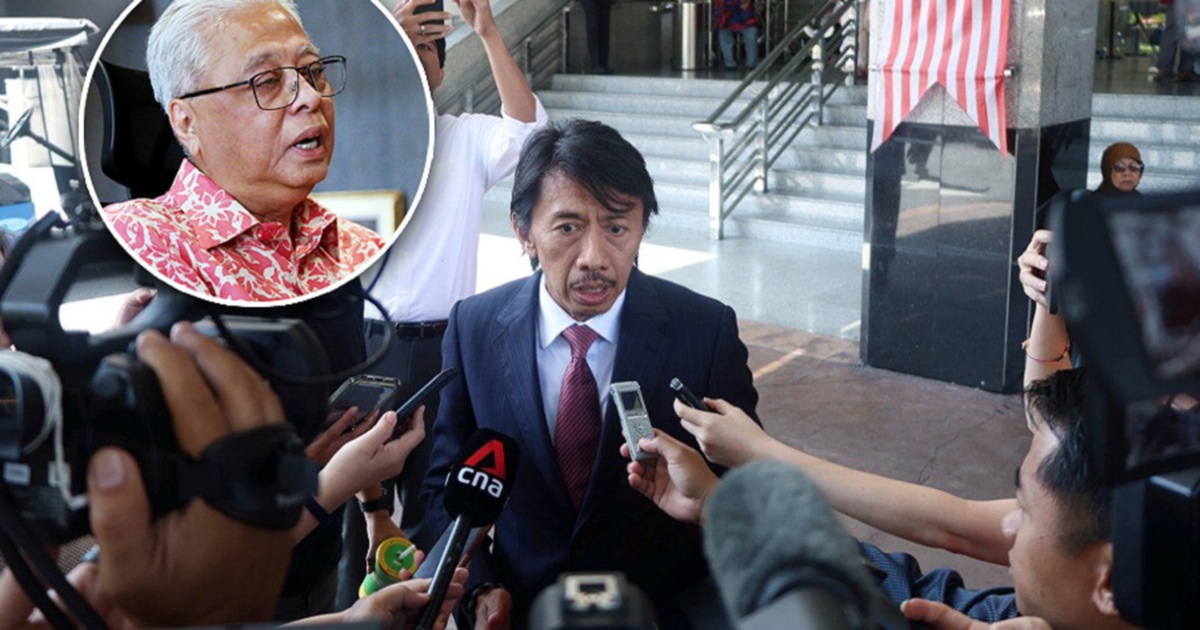
Former prime minister Datuk Seri Ismail Sabri Yaakob has made clear his commitment to defending himself against charges under the Malaysian Anti-Corruption Commission Act, choosing to proceed with court proceedings scheduled for later this month despite recent medical difficulties. The decision underscores his determination to contest the allegations and vindicate himself in the eyes of the public and the judicial system.
Facing legal proceedings at this stage of his life presents a unique challenge for the former Umno politician, who held the nation's top office from August 2021 to August 2022. His tenure as prime minister was marked by navigating complex political dynamics and economic recovery efforts following the pandemic. The current legal complications represent a significant development in his post-premiership chapter, one that will likely occupy considerable attention given his standing within Malaysia's political establishment.
The Malaysian Anti-Corruption Commission has been intensifying its investigations into various high-profile figures across the political spectrum in recent years, reflecting a broader push to address governance and financial accountability questions. These efforts have occasionally drawn international scrutiny and shaped public discourse around institutional integrity. Ismail Sabri's case falls within this ongoing enforcement pattern, though the specific nature of charges against him remains a matter requiring clarification as proceedings advance.
Health setbacks can create complications for individuals navigating demanding legal processes, which typically demand sustained engagement, documentation review, and courtroom appearances. Medical issues can affect an individual's capacity to participate fully in their defence strategy, coordinate with legal counsel, and maintain the physical stamina required for extended court sessions. Yet Ismail Sabri's stated determination suggests he intends to manage these obstacles while pursuing legal vindication.
The political implications of these proceedings extend beyond the individual defendant. Umno, Malaysia's dominant Malay-Muslim party and primary component of the current governing coalition, will likely monitor developments closely given Ismail Sabri's seniority within the organisation. His handling of the legal challenge may influence broader party positioning on accountability matters and internal party dynamics around leadership and governance standards.
For observers tracking Malaysia's institutional development, cases involving former senior officials carry symbolic weight. They reflect evolving standards of accountability and the functioning of anti-corruption mechanisms under different political administrations. The outcome of proceedings against prominent figures sends signals about the consistency and independence of enforcement agencies, factors important for both domestic and international confidence in governance systems.
Ismail Sabri's insistence on proceeding despite medical complications suggests confidence in his legal team and potentially reflects his assessment that delay would prove counterproductive to clearing his reputation. Swift resolution, from his perspective, would likely serve his interest in moving beyond this chapter more effectively than protracted proceedings. The psychological and professional toll of extended legal uncertainty often motivates defendants to advance rather than postpone matters, particularly when sustained by conviction in their position.
The former prime minister's case also occurs within Malaysia's evolving political context, where coalition arrangements and factional dynamics periodically shift the landscape. His relationship with current leadership structures and the governing coalition may influence both procedural aspects of his case and public reception of outcomes. Political observers note how legal matters involving prominent opposition or former leadership figures sometimes intersect with broader power struggles within and between parties.
Regional observers of Malaysian politics will watch this development as part of the larger narrative around institutional independence, political accountability, and the rule of law in Southeast Asia. Malaysia's handling of high-profile cases involving former leaders contributes to broader assessments of the region's democratic and institutional maturity. The manner in which legal processes unfold reflects not only on individual defendants but on the credibility and consistency of the systems managing them.
Moving forward, Ismail Sabri will need to balance his legal obligations against his health management, drawing on medical and legal support systems to sustain his defence efforts. The coming weeks will prove critical as court dates approach and the substantive examination of allegations commences. His determination to proceed suggests he views vindication as worth the personal cost, reflecting either confidence in his legal position or commitment to defending his reputation against what he presumably regards as unjustified charges. How this case develops will carry significance for Malaysian politics and perceptions of accountability mechanisms far beyond the individual involved.

