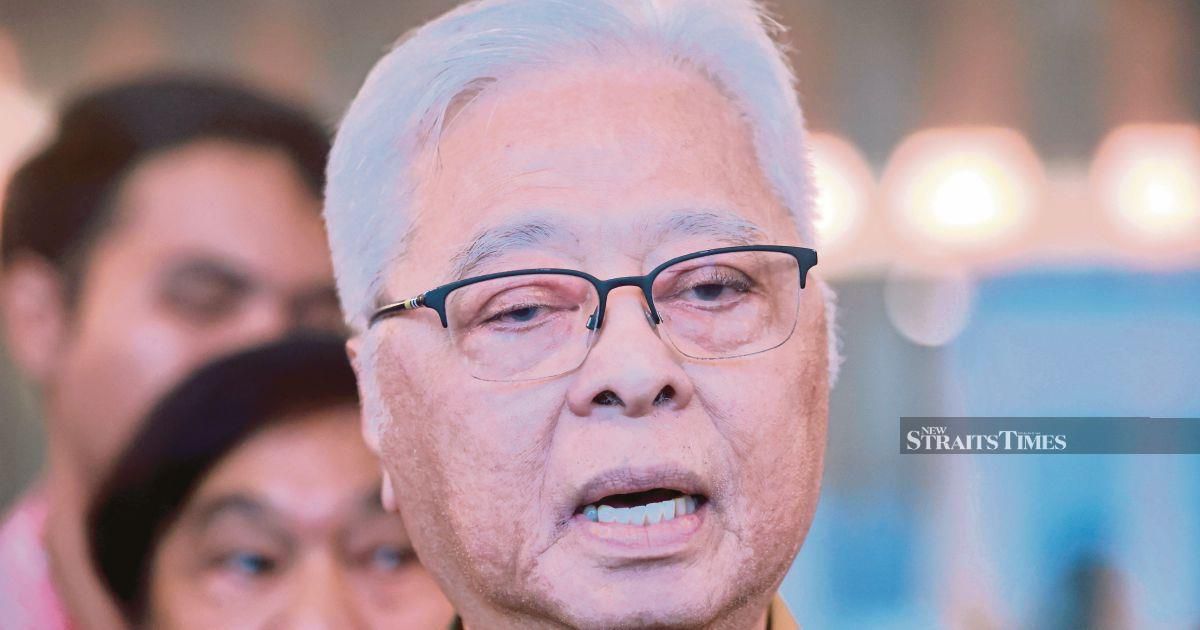
Datuk Seri Ismail Sabri Yaakob is on the verge of becoming the third former prime minister of Malaysia to be charged in criminal proceedings, a development that underscores the increasing judicial scrutiny facing the nation's highest office. The former premier joins Datuk Seri Najib Razak and Tan Sri Muhyiddin Yassin in facing formal criminal charges, a phenomenon that would have seemed improbable in earlier decades of Malaysian governance and reflects a substantial shift in how accountability mechanisms have evolved within the country's legal system.
The progression of charges against multiple former heads of government reflects broader shifts in Malaysia's political and institutional landscape. For nearly half a century following independence, sitting prime ministers and their immediate successors enjoyed considerable insulation from serious criminal prosecution. The departure from this historical pattern began with Najib's appearance in court on corruption-related allegations stemming from the 1Malaysia Development Berhad scandal, which fundamentally altered public expectations regarding governmental accountability. Muhyiddin's subsequent entry into the criminal justice system reinforced the notion that former occupants of the premier's office could no longer assume protection from prosecution.
The implications for Ismail Sabri's positioning within this trilogy are multifaceted. Unlike Najib, whose case centres on massive financial impropriety involving tens of billions of ringgit in state funds, and Muhyiddin, whose charges relate to political funding matters, the specific allegations against Ismail Sabri remain a focal point for observers tracking Malaysia's evolving governance standards. Each former premier's case carries distinct narratives about institutional accountability and the scope of judicial independence, yet collectively they demonstrate that no occupant of the highest executive office remains beyond potential legal consequence.
From a regional perspective, Malaysia's willingness to prosecute former prime ministers distinguishes it from several neighbouring jurisdictions where similar accountability mechanisms remain dormant or politically contentious. This trajectory positions Malaysia within a subset of Asian democracies actively subjecting former leaders to criminal process, a development that both reflects and reinforces public demands for transparency in high office. The pattern simultaneously raises questions about the consistency and impartiality of such prosecutions, concerns that observers have articulated regarding the selectivity and timing of charges against different political figures.
The societal ramifications of seeing three successive or recent holders of the premiership face criminal charges extend beyond individual accountability. Institutional trust in governance deteriorates when multiple former heads of state stand accused of wrongdoing, yet simultaneously, the willingness to prosecute these figures can signal that no individual is above the law—a foundational principle of democratic governance. For Malaysian citizens, these proceedings represent both a reckoning with past administrative practices and an uncertain statement about future standards for political conduct.
Within Malaysia's political ecosystem, the charges against these three figures have reshaped parliamentary dynamics and factional calculations. Opposition parties leverage these prosecutions as evidence of systemic corruption within the political establishment, while ruling coalition members navigate the delicate balance between condemning wrongdoing and maintaining party unity. The broader business and investor community monitors these cases closely, as they signal the degree to which Malaysia's judiciary operates independently and whether administrative reforms have genuinely taken root.
The legal proceedings involving former prime ministers also carry implications for Malaysia's international standing. Countries evaluating Malaysia as a regional investment hub or political partner consider governance standards and the integrity of institutional systems. Prosecuting former leaders can enhance perceptions of accountability, yet the manner and consistency of prosecutions equally influence assessments of judicial impartiality and political interference in judicial processes. International observers scrutinise whether charges appear driven by genuine evidence or factional political advantage.
For Ismail Sabri personally, facing charges as a third in this succession places him within a historical category that may define his political legacy more substantially than his sixteen-month tenure as prime minister. His response to the charges, the specific allegations he confronts, and the ultimate judicial outcomes will shape narratives about his administration and his standing within Malaysian political history. Unlike predecessors who served longer, Ismail Sabri's relatively brief premiership means these legal proceedings now occupy outsized significance in how his career is remembered.
Looking forward, the trajectory established by three consecutive former prime ministers facing charges raises fundamental questions about Malaysian governance patterns. Whether this represents a new standard for accountability or a temporary phase of political reckoning remains uncertain. The outcomes of these respective cases will substantially influence whether future prime ministers anticipate similar legal jeopardy upon leaving office, potentially reshaping incentive structures within the political elite regarding ethical conduct and administrative transparency. For Malaysian governance moving forward, the precedent being established through these prosecutions carries consequences that extend well beyond the individual cases themselves.

