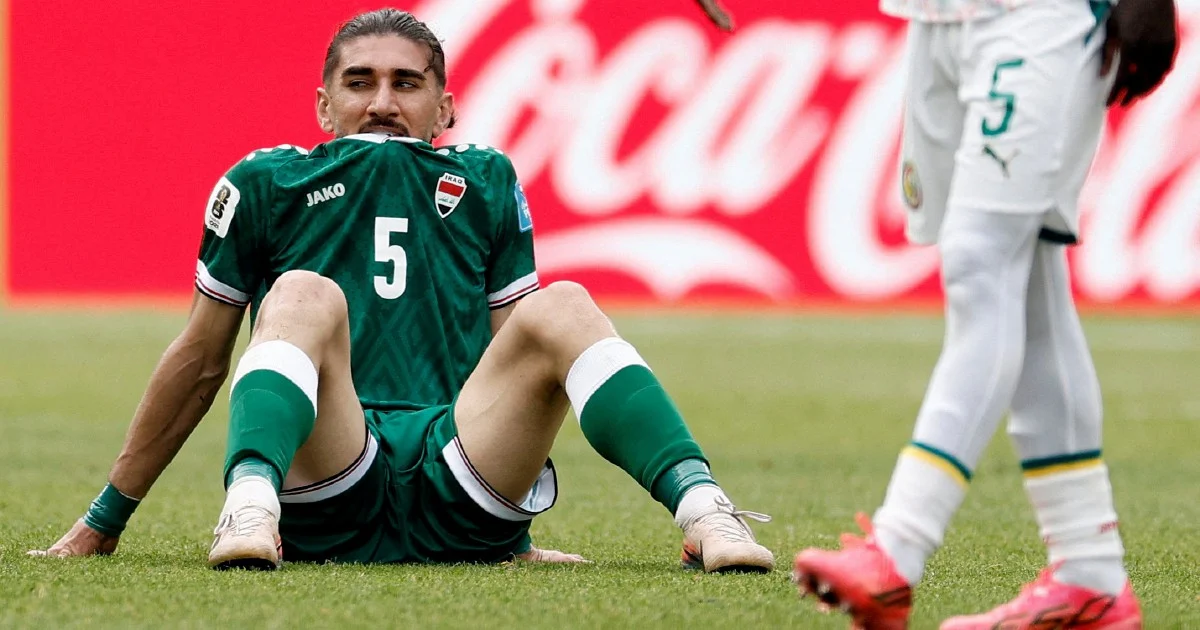
Iraq's sporting establishment has committed to a comprehensive review of the national football team's recent World Cup performance, with the Olympic Committee announcing plans for a formal inquiry and structural reforms to strengthen the programme going forward. The decision signals a recognition that the team's campaign fell short of expectations and that systemic changes are necessary to restore competitive credibility on the continental and global stages.
The investigation represents a significant moment for Iraqi football, which has endured considerable challenges in recent years amid political instability and resource constraints. The national team's World Cup showing prompted serious reflection among administrators about the current trajectory of the sport and the investment required to compete effectively at the highest level. By committing to a detailed examination of what went wrong, Iraqi football authorities are attempting to move beyond disappointment toward concrete improvements.
For Malaysian observers, Iraq's predicament underscores challenges that afflict football development across the Middle East and parts of Asia. Many nations in the region struggle to balance elite competition with grassroots development, infrastructure investment, and coaching quality. The Iraqi situation illustrates how even traditional footballing cultures with passionate fan bases can experience performance decline when institutional frameworks weaken or strategic planning lags behind competitors.
The scope of Iraq's intended inquiry will likely encompass multiple layers of the football ecosystem. Technical analysis of tactical approaches, player fitness levels, and match preparation will probably feature prominently. Beyond these on-field considerations, investigators may examine selection processes, coaching staff credentials, and the effectiveness of youth development programmes. Such holistic reviews often expose gaps between ambition and reality, identifying where resources are misallocated or priorities misaligned.
Structural reform in Iraqi football could involve modernising training facilities, recruiting experienced coaching staff from beyond the region, and establishing clearer pathways from youth academies to senior representation. These initiatives demand sustained financial commitment and administrative capacity that struggling federations sometimes lack. Iraq faces the additional pressure of operating within a volatile security and political environment that complicates long-term planning and athlete welfare protections.
The timing of this examination matters significantly for Iraq's qualification prospects in future tournaments. Asian football moves quickly, with qualifying campaigns for regional and global competitions demanding constant competitive engagement. The window to implement reforms and witness tangible improvement before the next major qualification cycle is relatively narrow, placing urgent pressure on decision-makers to prioritise efficiency and focus their efforts strategically.
Comparable initiatives across Asia have produced mixed results. Thailand, Vietnam, and Indonesia have each launched football development programmes with varying degrees of success, illustrating that structural reform demands not merely good intentions but also sustained political will and financial backing. Iraq's commitment will face similar tests, particularly given the volatility of government priorities and budgetary constraints that typically plague Middle Eastern football federations.
Regional rivalries add another dimension to Iraq's situation. The nation has historically competed with Iran, Saudi Arabia, and the Gulf states, all of which have invested substantially in football development over recent years. Falling behind these neighbours in performance rankings carries not only sporting implications but also reflects on national standing within regional competitions. The Arab Cup, the AFC Asian Cup, and World Cup qualifiers offer platforms where Iraq must demonstrate competitive recovery.
International football experts often emphasise that meaningful reform requires time, sometimes spanning an Olympic cycle or longer. Iraqi officials may face public pressure for immediate results, yet sustainable improvement typically emerges gradually as youth players mature within strengthened systems and coaching staff implement coherent long-term strategies. Balancing these timescale expectations with realistic planning will prove crucial.
The investigation's findings will likely become public, offering insights into how the federation assesses failure and envisions change. Transparency in such processes can rebuild fan confidence and demonstrate serious intent. Conversely, if recommendations languish without implementation, further erosion of public trust in football administration seems inevitable, particularly given Iraq's passionate football culture.
For Southeast Asian football administrators watching Iraq's experience, the cautionary lessons are evident. Neglecting systemic development, underinvesting in youth pathways, or failing to attract and retain quality coaching talent creates vulnerabilities that manifest during major tournaments. Iraq's commitment to investigation and reform, whatever its eventual outcomes, at least acknowledges these fundamental truths.
The months ahead will clarify whether Iraq's Olympic Committee transforms this moment of accountability into lasting institutional change or whether the inquiry becomes another cycle of examination without meaningful action. The national team's supporters, having endured disappointment, await concrete evidence that their federation recognises both the problem and its solution.

