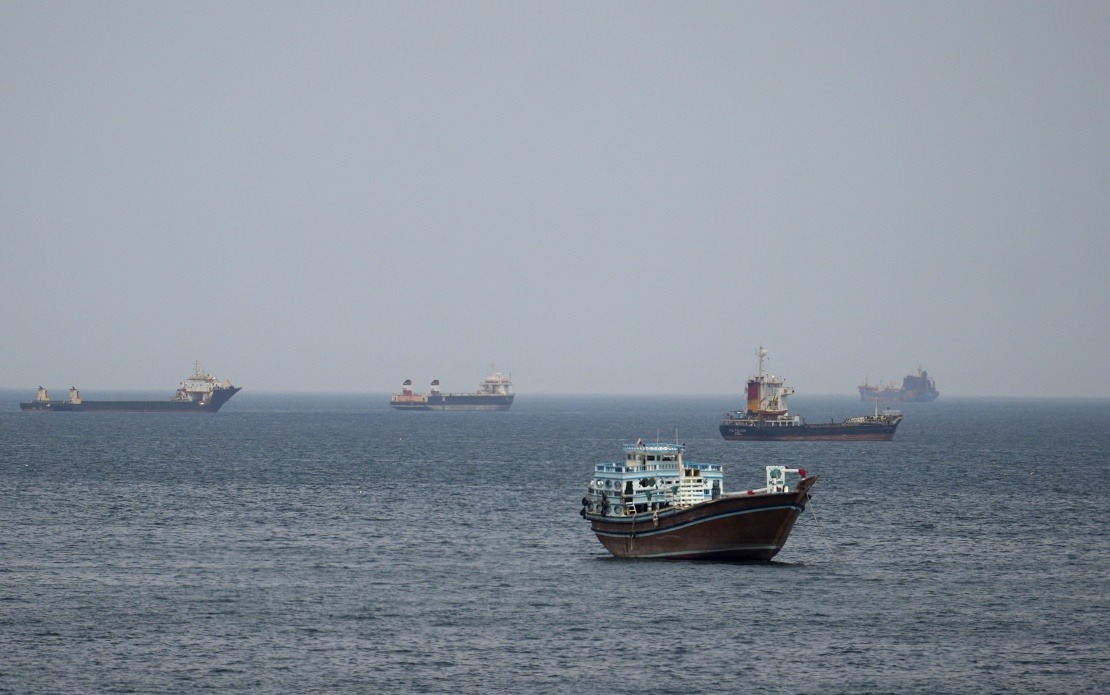
Iran's Parliament Speaker and lead negotiator Mohammad Bagher Qalibaf has arrived in Oman to spearhead discussions on developing a new governance structure for the Strait of Hormuz, one of the world's most critical maritime chokepoints. Accompanying him is Abbas Araghchi, Iran's top diplomat, in what represents a significant diplomatic initiative aimed at establishing fresh arrangements for the strategic waterway that separates Iran and Oman. The visit underscores Tehran's commitment to engaging regional partners in a dialogue framework that extends beyond bilateral discussions with major powers.
Omani Foreign Minister Badr Albusaidi welcomed the Iranian delegation upon arrival, signalling Muscat's active participation in the emerging diplomatic process. The timing of the mission is noteworthy, coming immediately after Qalibaf and Araghchi completed an intensive round of negotiations with American representatives in Switzerland, where both sides explored implementation mechanisms for a recently concluded memorandum of understanding. This sequential engagement—first with Washington, then with Oman—reveals a coordinated diplomatic strategy where Iran addresses both international partners and regional stakeholders in parallel.
For Malaysia and other Southeast Asian maritime nations, the implications are substantial. The Strait of Hormuz remains a vital passage for global energy supplies, with millions of barrels of oil transiting daily through its narrow channels. Any framework established between Tehran and regional actors like Oman carries direct consequences for shipping lanes, insurance premiums, and the geopolitical stability that underpins regional commerce. Malaysia's own maritime interests in the region make monitoring these developments essential for understanding future patterns of regional security and trade.
Qalibaf's stop in Oman constitutes what Iranian media described as a necessary interruption in his diplomatic schedule after the Switzerland negotiations and a transit through Tehran. This deliberately structured itinerary suggests careful diplomatic choreography rather than routine travel, indicating the importance Tehran ascribes to consulting Muscat before proceeding with formalised arrangements concerning the waterway. Oman's geography and its historical role as a moderating force in Gulf politics position it as an ideal venue for such consultations.
The joint statement emerging from the Omani side emphasised that both nations recognise the current moment as an opportunity to advance peace initiatives and deepen de-escalation mechanisms within the region. This language reflects a broader commitment to employing diplomatic channels to manage tensions that have periodically threatened maritime stability. The explicit reference to international law and good neighbourliness principles indicates that any new framework would seek legitimacy through established global norms rather than pursue unilateral arrangements.
Beyond the immediate bilateral context, the focus on preserving regional security and guaranteeing unimpeded passage through the Strait of Hormuz and related waterways addresses concerns that have preoccupied international shipping communities and maritime insurers for years. Previous incidents involving tanker seizures and military provocations have injected volatility into commerce flows through the region, prompting calls for structured mechanisms to prevent escalation. A formalised framework could potentially reduce such incidents by establishing clearer protocols for maritime interaction.
Qalibaf is scheduled to meet with Omani Sultan Haitham bin Tariq to broaden discussions beyond the Hormuz question toward encompassing bilateral cooperation and regional coordination more comprehensively. These apex-level engagements typically address strategic visions rather than operational details, suggesting that both governments envision the Hormuz framework as part of a larger architecture for regional stability. The inclusion of the Sultan in these discussions elevates the initiative above the level of mere technical coordination.
The involvement of Pakistani and Qatari mediators in the earlier Switzerland talks adds another layer of complexity and significance. Both nations bring distinct interests and relationships within the Gulf region, and their participation signals that the emerging diplomatic process aims for regional consensus rather than bilateral agreement. This multilateral dimension increases the likelihood that any framework developed would achieve broader acceptance among Gulf states and maritime users.
For observers tracking Iran's broader foreign policy trajectory, these negotiations reflect a calculated attempt to position Tehran as a responsible stakeholder willing to engage in structured dialogue on matters affecting regional security. By engaging Oman, Pakistan, and Qatar—nations with varying degrees of alignment with different regional actors—Iran demonstrates flexibility and a commitment to consensus-building. This approach contrasts with more confrontational rhetoric and gestures that have characterised earlier periods, suggesting a deliberate strategic recalibration.
The success of any new Hormuz framework would depend on whether participating nations and maritime stakeholders perceive it as impartial and effective. The Strait of Hormuz's strategic importance means that failure to establish workable arrangements would perpetuate uncertainty and potential volatility. Conversely, a comprehensive and legitimately negotiated framework could serve as a template for addressing other regional maritime disputes and establishing precedents for collaborative management of shared resources.
For Malaysia's interests, the unfolding diplomatic process warrants close attention. As a nation deeply invested in maintaining predictable and safe maritime trade routes, Malaysia benefits directly from any measures that reduce tensions in strategic chokepoints. The establishment of working arrangements between Iran and regional partners could contribute to the stable environment necessary for commerce and investment to flourish across Southeast Asia and the broader Indo-Pacific region.
The broader context of these talks involves attempts to resurrect international agreements on Iran's nuclear programme and establish frameworks for reintegrating Tehran into global economic systems. The Hormuz negotiations appear connected to this larger diplomatic reset, with regional confidence-building measures potentially facilitating progress on nuclear and sanctions-related discussions. Oman's mediatory role reflects its decades-long practice of bridging divides between adversaries, making it a natural venue for such sensitive discussions.
Looking ahead, the actual substance of any agreement will determine whether these high-level consultations translate into meaningful operational changes or remain largely symbolic. The coming weeks should reveal whether technical working groups will be established, what specific protocols might emerge, and how implementation verification would function. These details will ultimately shape whether the initiative fulfils its stated objectives of ensuring maritime security and preventing future escalation in one of the world's most economically consequential waterways.